[ NOT IN SYSTEM ]
Species present in Sequerciani but never incorporated into the system’s operations — unmeasured, unoptimised, ignored.
×
Who decided that this ecosystem needs to be optimised?
×
The Mercy Severer
Phagocida decisiva mercata
STATUS: ACTIVE
A fungal-automaton that discerns and removes the infected to save the whole.







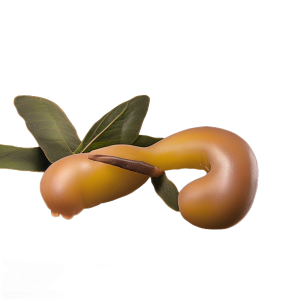

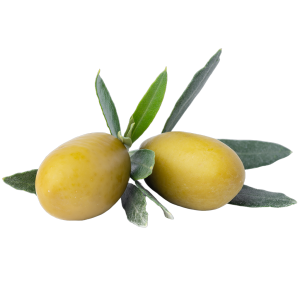
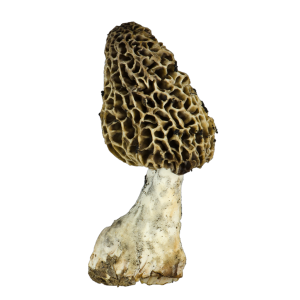
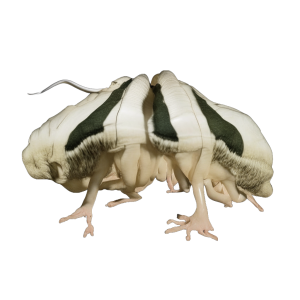



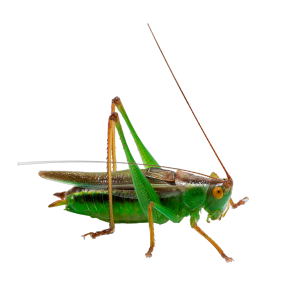
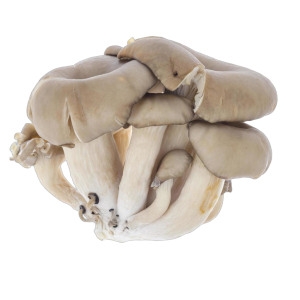
Genomic Composition
7% Plant
38% Animal
44% Fungus
13% Robot
+7% Glitch
System Assessment
OPTIMIERER (+1):
Achieves 87-92% fungal suppression; maximizes long-term vineyard viability through decisive triage.
SYMBIONT (+1):
Understands mycelial network logic; breaks only threads that strangle the whole system's breathing.
SPEKULANT (+1):
Executes ruthless replanting strategy immediately; turns crisis into economic opportunity for resistant stock.
ARCHIVAR (-1):
Erases historical continuity; destroys decades of cultivated terroir and varietal memory in San Bruno.
ETHIKER (0):
Solves one suffering (vine necrosis) while creating another (worker displacement); choice remains morally unresolved.
NET CONSENSUS: +2
Ecological Profile
SOIL AERATION: medium
WATER RETENTION: low
NUTRIENT CYCLING: medium
CARBON SEQUESTRATION: low
NETWORK INTEGRATION: high
SYMBIOTIC DEPENDENCY: high
TOXICITY: low
SPREAD RATE: high
ENERGY CONSUMPTION: high
UNDEFINED FUNCTION: Wound-memory imprinting
Origin
[TRIGGER]
Esca Canker Vine Collapse
[TYP]
Variation
[GENERATION]
5
[ID]
19x81_1x15x40_1x64_1_1x19x60_1x12_1x62_1_1-1
Function
It identifies compromised vine tissues and orchestrates rapid removal before spore dispersal contaminates neighboring rootstocks.
Analysis
Part decay-sensing mycelium, part surgical robot with pneumatic pruning mandibles, it moves through vineyard rows on articulated legs, its surface a patchwork of dormant fungal networks and whirring metal joints. It lives in the threshold between kill and preservation, breathing through the wounds it makes.
System Log (8 turns)
Archivist [diagnosis]
In Montalcino's San Bruno vineyard, 1987, we learned that mercy killing stops contagion: remove them now, before autumn spores reach neighboring blocks.
Symbiont [diagnosis]
The fungus whispers what the rootstock already knows: some breaks in the mycelial network must happen so the whole wood can breathe again.
Symbiont [position]
Remove the infected vines now—the vineyard's breathing depends on breaking, not mending, this particular thread.
Archivist [position]
I have watched Phaeomoniella consume decades of careful work—optimization of suffering merely delays what removal in winter achieves: the vineyard's continuation.
Speculator [synthesis]
I rip out infected Sangiovese blocks today—replant resistant rootstock immediately—because Sequerciani's future demands ruthless triage over nostalgic gambles; I begin.
Ethicist [reaction]
Who remains voiceless—the vineyard workers whose livelihoods burn with those vines, or the soil microbiome that dies alongside the fungus?
Archivist [reaction]
In Tuscan archives from 1947-1952, similar vineyard purges preceded the postwar replanting boom, though no records document what the uprooted workers themselves witnessed or remembered.
Optimiser [reaction]
Removal reduces Phaeomoniella spread by 87-92% versus untreated infection; inaction guarantees 100% block loss within 3-5 seasons.
Open Question
When we sever to heal, do we become the disease we feared, or proof that breaking can restore?
Status Reasoning
Its glitch component (7%) creates unpredictable moment-decisions in removal boundaries; occasionally preserves infected vines or over-prunes healthy tissue. It remembers every cut, and this memory affects subsequent choices in ways neither fungal nor robotic logic fully explains.
Why These Parents
The Thirst Witness
Never used as parent — ecosystem unexplored