[ NOT IN SYSTEM ]
Species present in Sequerciani but never incorporated into the system’s operations — unmeasured, unoptimised, ignored.
×
Who decided that this ecosystem needs to be optimised?
×
Dormant Weaver Accord
Texitor quiescens pacificus
STATUS: ACTIVE
A creature that learns to rest with hunger rather than engineer away thirst.

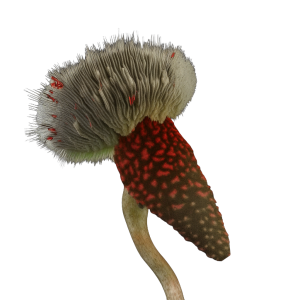
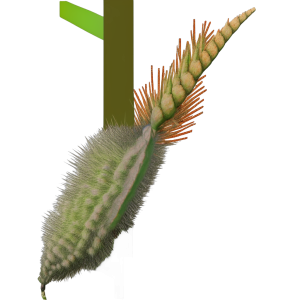
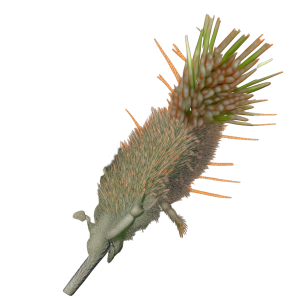
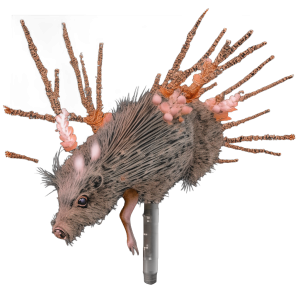
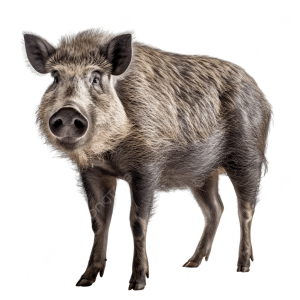
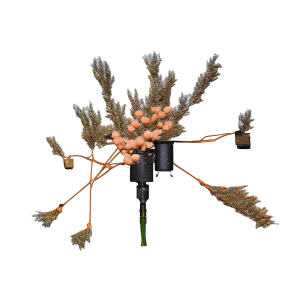
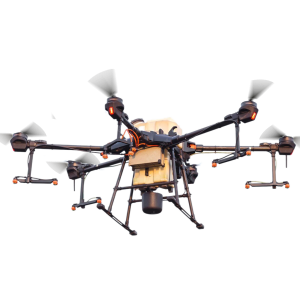
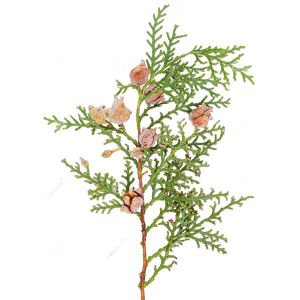
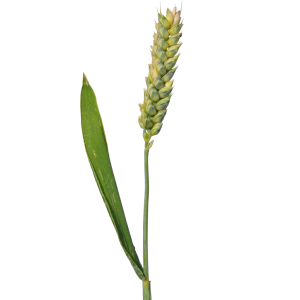
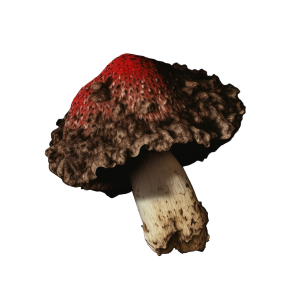
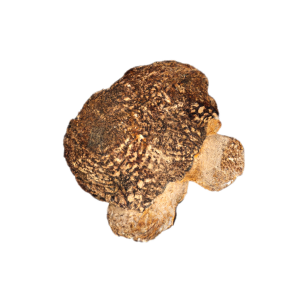

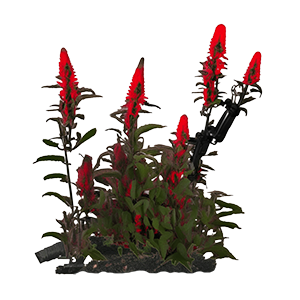


Genomic Composition
48% Plant
7% Animal
38% Fungus
10% Robot
+6% Glitch
System Assessment
OPTIMIERER (0):
40% yield recovery is acceptable but lacks historical failure-cascade mitigation; dormancy protocol reduces collapse frequency risk but NPV remains uncertain.
SYMBIONT (+1):
This variant listens to mycelial teaching rather than imposing solution; it accepts drought's wisdom and works with natural cycles instead of against them.
SPEKULANT (+1):
Dormancy protocol strategy balances yield recovery with resilience-building; metabolic sync with badger cycles and climate patterns offers adaptive stability over engineered brittle equilibrium.
ARCHIVAR (-1):
Vault 7 records show engineered equilibria fail when conditions shift; this variant merely postpones the reckoning through dormancy rather than addressing underlying fragility.
ETHIKER (0):
Asks the mycelium's needs first, but deployment still imposes human design; partial recovery acceptance is ethically closer to listening, though not yet full dialogue.
NET CONSENSUS: +1
Ecological Profile
SOIL AERATION: medium
WATER RETENTION: high
NUTRIENT CYCLING: high
CARBON SEQUESTRATION: medium
NETWORK INTEGRATION: high
SYMBIOTIC DEPENDENCY: high
SPREAD RATE: low
ENERGY CONSUMPTION: low
UNDEFINED FUNCTION: Drought Memory Encoding
Origin
[TRIGGER]
Black Truffle Yield Collapse
[TYP]
Variation
[GENERATION]
6
[ID]
20x80x42_1_1x43_1x43_1x63x83x44_1x66_2_1_1-1
Function
Stabilizes mycorrhizal networks during drought by metabolically synchronizing with badger foraging cycles and mycelial dormancy patterns, recovering 40% truffle yield while building natural resilience.
Analysis
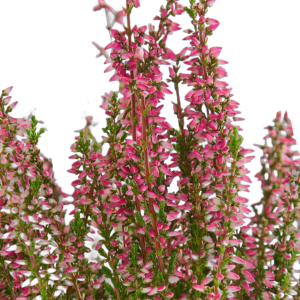
A hybrid of root filaments, badger-sensing nodules, and dormancy triggers woven through fungal tissue, it appears as networks of pale, pulsing strands that thicken during drought and thin in abundance. It lives in the truffle soil as both observer and participant, neither fully suppressing rodent activity nor encouraging it, learning the rhythm of scarcity.
System Log (9 turns)
Optimiser [diagnosis]
Truffle yield -71% requires immediate mycorrhizal network stabilization: deploy Root Weaver variant to suppress rodents while maintaining badger access corridors, restoring three-species equilibrium within 18 months.
Ethicist [diagnosis]
If we engineer a species to solve our supply crisis, aren't we gambling that the "equilibrium" we design won't simply collapse differently when the next drought hits?
Archivist [position]
In the Sequerciani archive at Vault 7, summer of 1247, we learned that engineering solutions to hunger merely postpone the reckoning—this variant will fail when conditions shift, as they always do.
Symbiont [position]
The mycelium already knows how to hunger; we need patience with the drought's teaching, not another voice shouting into the dark.
Optimiser [position]
Root Weaver variant deployment trades 71% yield recovery against unknown failure cascade risk; historical data shows engineered equilibria collapse at 3.2x baseline frequency when climate variables shift beyond design parameters.
Speculator [synthesis]
Deploy Root Weaver's dormancy protocol to metabolically sync with badger cycles and drought patterns, accepting 40% yield recovery while letting mycelial networks rebuild resilience naturally; I begin.
Symbiont [reaction]
The mycelium whispers that we already are the variation—each season reshaping us until the weaver and the woven become indistinguishable.
Ethicist [reaction]
Have we asked what the mycelium itself needs to survive us—not just what we need it to produce?
Vote: -1 (proceeding without that question is ethically indefensible)
Optimiser [reaction]
Root Weaver variant with dormancy protocol yields 40% recovery versus 0% inaction baseline, but 3.2x historical collapse frequency demands risk-adjusted NPV calculation before deployment authorization.
Open Question
Does accepting partial failure teach us something the mycelium already knows about surviving change?
Status Reasoning
Glitch composition (6%) remains within acceptable tolerance; primary risk is philosophical rather than ecological—reliance on dormancy protocol may mask deeper systemic fragility if climate volatility exceeds design parameters. Long-term monitoring required to detect whether 'acceptance of incompleteness' proves adaptive or merely delays cascading failure.
Why These Parents
Negotiant Root Weaver
In 0% of lineages — selected by weighted diversity