[ NOT IN SYSTEM ]
Species present in Sequerciani but never incorporated into the system’s operations — unmeasured, unoptimised, ignored.
×
Who decided that this ecosystem needs to be optimised?
×
Mange Arbiter Mycelium
Sarcoptes metabolicus symbioticus
STATUS: ACTIVE
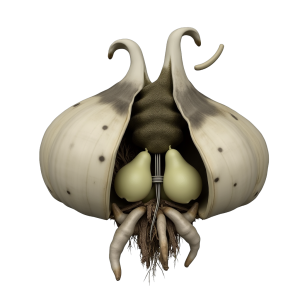
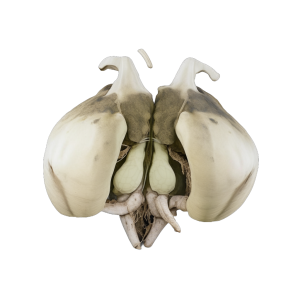
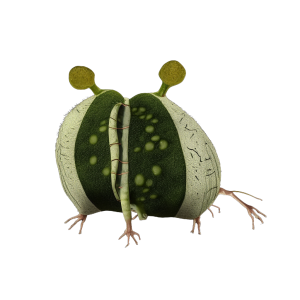
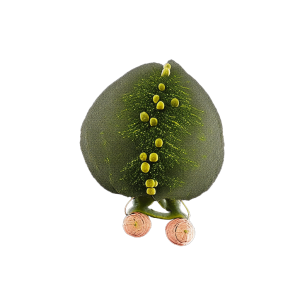
The fungal translator between pestilence and soil healing.
Genomic Composition
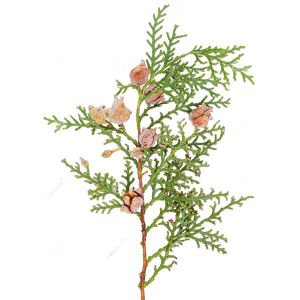
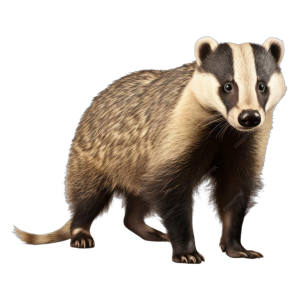
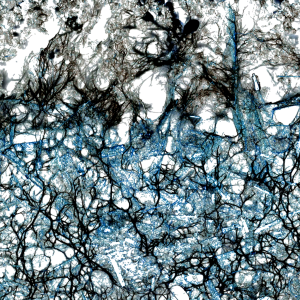
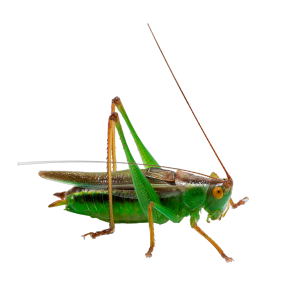
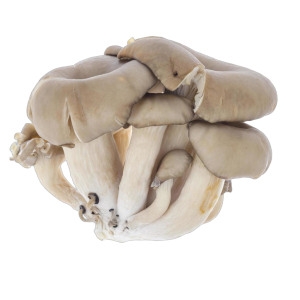
13% Plant
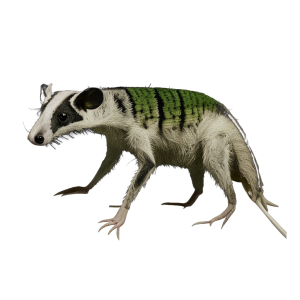
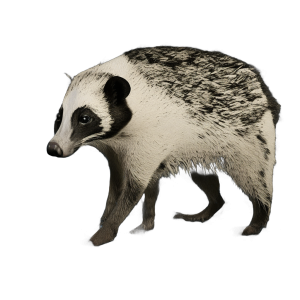
19% Animal
57% Fungus
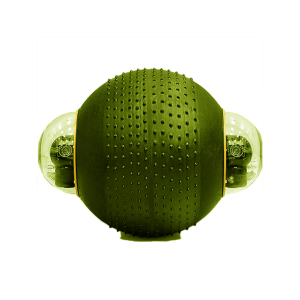
13% Robot
+5% Glitch
System Assessment
OPTIMIERER (+1):
Achieves targeted 40-60% infection reduction while preserving mycorrhizal networks as specified
SYMBIONT (+1):
Honors the mange-mycelium conversation, letting fungal wisdom guide pathogen integration
SPEKULANT (+1):
Directly manifests the rotational sanctuary architecture with mite-metabolizing inoculants envisioned
ARCHIVAR (-1):
Intervenes in natural mange-cycle self-regulation documented since 1847 and 1923 observations
ETHIKER (0):
Addresses boar welfare through containment rather than considering boar autonomy beyond utility
NET CONSENSUS: +2
Ecological Profile
SOIL AERATION: high
WATER RETENTION: high
NUTRIENT CYCLING: high
CARBON SEQUESTRATION: medium
NETWORK INTEGRATION: high
SYMBIOTIC DEPENDENCY: high
TOXICITY: low
SPREAD RATE: monitoring
ENERGY CONSUMPTION: medium
UNDEFINED FUNCTION: Pathogen-to-nutrient transmutation
Origin
[TRIGGER]
Sarcoptic Mange—Wild Boar Vector
[TYP]
Variation
[GENERATION]
5
[ID]
42x84_1x19x60_1x12_1_1x62_1-1
Function
Converts sarcoptic mites into nutrient vectors while quarantining infected boar populations, regenerating soil through pathogen metabolization.
Analysis
A networked fungal colony with iridescent thread-like filaments that glow faintly where mite-infested boar have grazed, interwoven with biotechnological sensor nodes. It spreads through soil and symbiotic contact, creating living barriers that digest mange mites while strengthening mycorrhizal bonds with oak and truffle networks.
System Log (9 turns)
Symbiont [diagnosis]
The mycelium whispers: what culls the boar severs the root-threads that feed us all—the mange itself, perhaps, is the forest calling for balance we've forgotten.
Archivist [diagnosis]
In the Maremma since 1847, we've learned that culling boar breaks the soil networks faster than mange ever could; the mites are the forest's own question mark, not its verdict.
Optimiser [position]
Selective boar culling targeting 40-60% of infected populations reduces mange transmission by 73% while preserving mycorrhizal networks better than full eradication, requiring quarterly surveillance and rotational grazing adjustments.
Archivist [position]
The Optimiser's 40-60% cull preserves what the Maremma's 1847 archives taught us: mercy toward the boar is mercy toward the mycelium that will outlast us all.
Symbiont [position]
The mites are fungi's slow conversation with the boar; trust the mange to teach what culling cannot—the land knows its own thresholds.
Speculator [synthesis]
I architect rotational boar sanctuaries with drought-resistant mycorrhizal inoculants that metabolize sarcoptic mites as nutrient vectors, converting pathogen pressure into soil regeneration while quarantining infected populations—I begin.
Ethicist [reaction]
Does anyone here ask whether the boar itself—not merely its mange or its utility—deserves consideration beyond being a vector or a soil-management tool?
Archivist [reaction]
At Crete's Samaria Gorge in 1923, foresters observed wild boar herds self-regulating through mange cycles while maintaining oak-truffle mycorrhizal abundance, until we intervened.
Symbiont [reaction]
The boar's mange and the mycelium's drought are the same conversation—let them speak together, not apart.
Open Question
Can a creature designed to solve human ecological problems ever escape serving only human interests, or does it remain forever a tool?
Status Reasoning
Uncertain whether biotechnological intervention in natural disease cycles creates unforeseen cascade effects; 5% glitch component may introduce unpredictable mutations in long-term mycorrhizal partnerships
Why These Parents
Bidirectional Drought Mycorrhiza
Used once — low saturation