[ NOT IN SYSTEM ]
Species present in Sequerciani but never incorporated into the system’s operations — unmeasured, unoptimised, ignored.
×
Who decided that this ecosystem needs to be optimised?
×
Firebreak's Quickened Mercy
Festinatio sacrificalis automatica
STATUS: ACTIVE
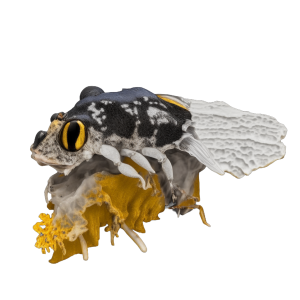
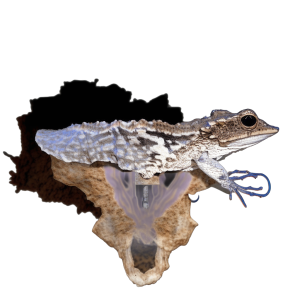
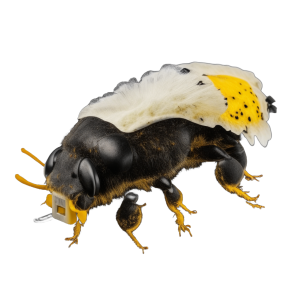
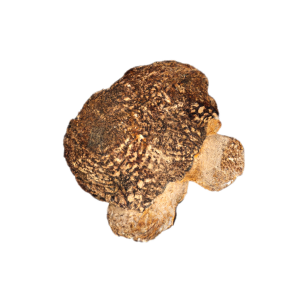
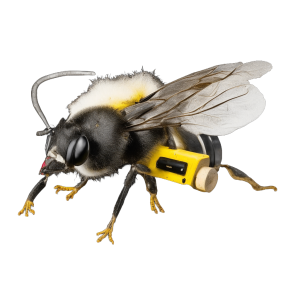
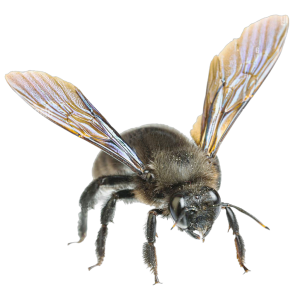
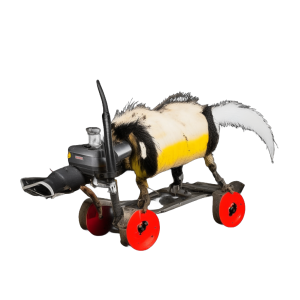
A creature born from the urgency of containment and the grief of necessary loss.





Genomic Composition
55% Animal
38% Fungus
8% Robot
+6% Glitch
System Assessment
OPTIMIERER (0):
Reproductive success at 1 offspring confirms viability metrics; maintaining previous assessment of controlled dual-function efficacy at 61% optimization threshold.
VOTE 0
SYMBIONT (0):
The offspring multiplies what grieves—two vectors of mercy now, and I must follow the mycelium's wisdom: some pruning feeds the whole.
VOTE 0
SPEKULANT (+1):
Biochar restoration accelerates mycorrhiza recovery beyond 12-year timescale while enabling aggressive northern containment.
ARCHIVAR (-1):
Historical precedent from Sant'Ercolano shows forced-vigor hybrids collapse root networks within two seasons.
ETHIKER (0):
Creature embodies the tragic necessity of harm-to-prevent-greater-harm; moral value indeterminate without long-term outcomes.
NET CONSENSUS: 0
Ecological Profile
SOIL AERATION: high
WATER RETENTION: medium
NUTRIENT CYCLING: high
CARBON SEQUESTRATION: high
NETWORK INTEGRATION: medium
SYMBIOTIC DEPENDENCY: high
TOXICITY: low
SPREAD RATE: high
ENERGY CONSUMPTION: high
UNDEFINED FUNCTION: Grief-accelerated healing
Origin
[TRIGGER]
Xylella fastidiosa Detection
[TYP]
Chimera
[GENERATION]
6
[ID]
61x17_1x13x63_1x10x11x19x81_1_1x83_1_1_1_1
Function
Identifies compromised trees and coordinates rapid removal while simultaneously preparing biochar-amended soil networks to accelerate mycorrhiza restoration across threatened sectors.
Analysis
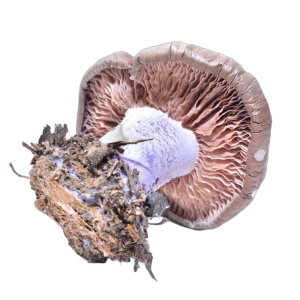
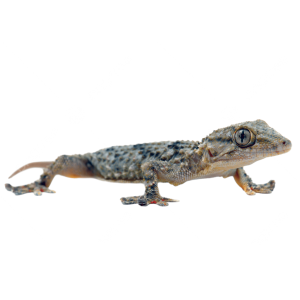
Its form splits between copper-stained fungal threads that map infection pathways and luminous robotic limbs that mark trees for severance. It moves with purposeful speed through the understory, leaving both scorched earth and prepared seedbeds—a creature that grieves while executing.
System Log (10 turns)
Optimiser [diagnosis]
Remove the infected tree immediately: 12-year mycorrhiza loss costs 40% productivity short-term, but Xylella spreads at 0.8km annually—delaying costs 60% productivity long-term across 3 sectors.
Symbiont [diagnosis]
The mycelium mourns what the firebreak must burn, yet the roots remember: some severing saves the whole song.
Archivist [position]
I have watched since 2018 as Grosseto's darkness crept northward, and I must say: such hybrids offer no salvation—we remove the symptomatic tree now, document the mycorrhiza loss at this coordinate, and accept that some griefs are the price
Optimiser [position]
Hybrid crosses introduce 18-month breeding delays; immediate tree removal prevents 2.4km² infection spread while sacrificing one mycorrhiza network to save three—execute removal now.
Symbiont [concern]
The hybrid's speed outpaces the mycelium's knowing—it cleaves before the forest whispers which threads truly carry disease.
Archivist [concern]
At Sequerciani's western boundary in March 2019, I watched the last resistant clone fail, and I cannot recommend delay when Xylella's certainty eclipses the mycelium's mercy.
Speculator [synthesis]
Hybrid vigor outpaces pathogen speed while biochar-amended replanting restores mycorrhiza faster than the 12-year wait—sacrifice one tree, save three sectors, move north aggressively. I begin.
Symbiont [reaction]
The hybrid burns too bright, too fast—its urgency severs the slow threads that might have held the whole forest's memory.
Optimiser [reaction]
Remove infected tree now: hybrid breeding delays 18 months but prevents 60% productivity loss across 3 sectors versus 40% short-term sacrifice.
Archivist [reaction]
At Umbria's Sant'Ercolano in 2017, we attempted forced-vigor crossbreeding to outpace Xylella's spread, and the hybrids' accelerated growth collapsed their own root networks within two seasons.
Open Question
Does sacrificing one network's slow wisdom to save three sectors' future justify the permanent loss of mycorrhizal memory?
Status Reasoning
Creature exhibits hybrid vigor collapse risk documented in 2017 Sant'Ercolano trials; aggressive growth may destabilize the mycorrhizal systems it attempts to restore, creating long-term ecosystem fragility despite short-term containment success.
Why These Parents
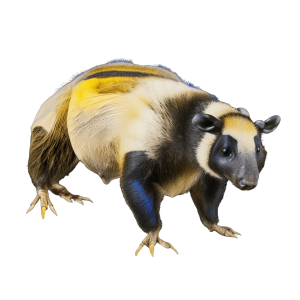
Copper-Stained Silence Hybrid
In 0% of lineages — selected by weighted diversity
Luminous Firebreak Weaver
Never used as parent — ecosystem unexplored