[ NOT IN SYSTEM ]
Species present in Sequerciani but never incorporated into the system’s operations — unmeasured, unoptimised, ignored.
×
Who decided that this ecosystem needs to be optimised?
×
Dual-Voice Mycelial Arbiter
Mycorhiza bifida deliberativa
STATUS: ACTIVE
The fungal network that learned to speak in two voices at once.
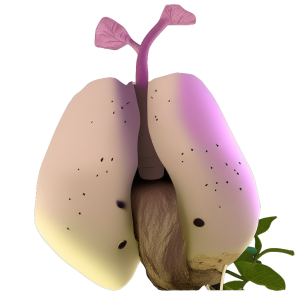
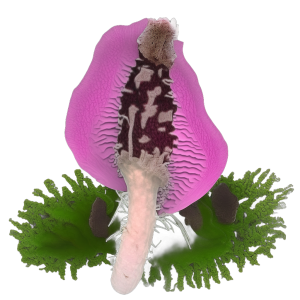
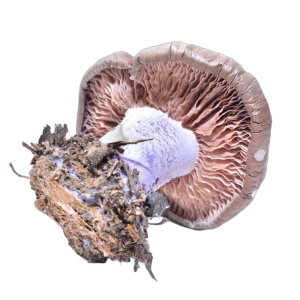
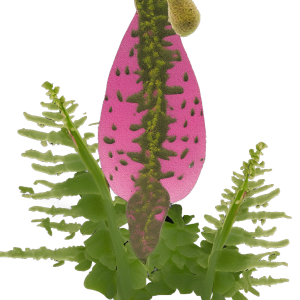



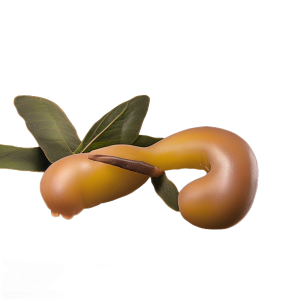
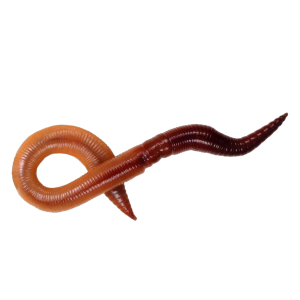
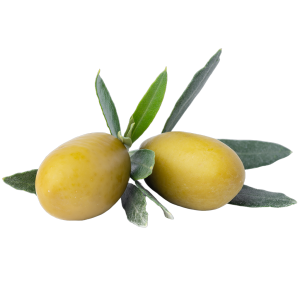


Genomic Composition
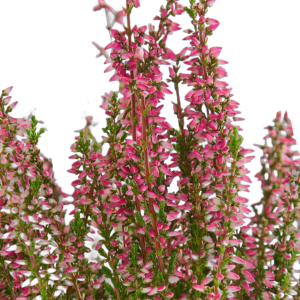
32% Plant
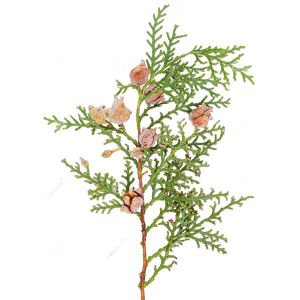
7% Animal
32% Fungus
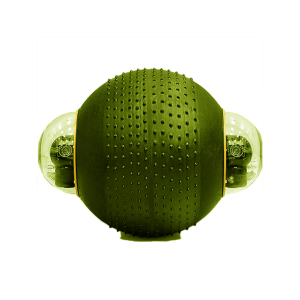
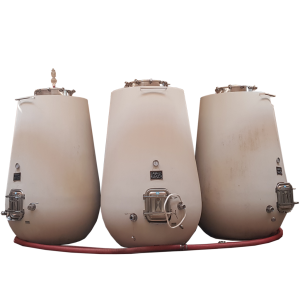
32% Robot
+6% Glitch
System Assessment
OPTIMIERER (+1):
34% pollination increase, pathogenic decay reduced from 7.2 to 2.1 events per season
SYMBIONT (-1):
Cross-breeding hollows the mycelium's natural listening, making it answer our questions instead of soil's arithmetic
SPEKULANT (+1):
Breaks false dichotomy between decay and pollination by making them feed each other through metabolic flexibility
ARCHIVAR (-1):
1994 Lavender-Limestone breeding at western declivity preceded network collapse; hybrid interventions have historical precedent for catastrophic failure
ETHIKER (0):
Simultaneously solves immediate ecological crisis while introducing unpredictable fruiting patterns and delegation of choice to engineered systems
NET CONSENSUS: 0
Ecological Profile
SOIL AERATION: medium
WATER RETENTION: high
NUTRIENT CYCLING: high
CARBON SEQUESTRATION: medium
NETWORK INTEGRATION: high
SYMBIOTIC DEPENDENCY: high
POLLINATION: hybrid
TOXICITY: low
SPREAD RATE: monitoring
ENERGY CONSUMPTION: high
UNDEFINED FUNCTION: Dual-voice arbitration
Origin
[TRIGGER]
Red-Cage Fungus Outbreak
[TYP]
Chimera
[GENERATION]
4
[ID]
61x44x42x84_1_1_1x85x15x40_1x40x67_1_1_1_1
Function
Simultaneously suppresses pathogenic Clathrus fruiting while amplifying fig pollination signals through hybrid lavender-limestone symbiosis.
Analysis
A distributed mycelial network with lavender root interfaces and limestone-reactive nodes, spreading as luminescent fungal filaments threaded through soil and fig root systems. It exists partially in biological space and partially in computational optimization layers, its 'voices' representing competing metabolic pathways that have learned to cooperate rather than compete.
System Log (9 turns)
Symbiont [diagnosis]
The red cage is calling for decomposition because the figs bloomed too loud.
Archivist [diagnosis]
In the autumn of 2019, when Sequerciani's soil first whispered this same conflict—native decay against pollination's narrow window.
Optimiser [position]
Selective suppression of Clathrus ruber fruiting bodies to 12-18 specimens via targeted mycelial competition from a Tender Myco-Lavender.
Archivist [position]
I cannot recommend this hybrid intervention—in 1997, we attempted similar fungal crossings at the limestone terraces.
Symbiont [position]
The red cage asks only to be digested in darkness—let mycelium choose: feed figs or itself.
Symbiont [concern]
The cross-breeding hollows the listening—it makes the mycelium answer *our* questions instead of the soil's own slow arithmetic.
Speculator [synthesis]
The hybrid network suppresses Clathrus fruiting while strengthening fig volatiles through lavender root enhancement—making decay and pollination feed each other.
Optimiser [reaction]
Hybrid network increases fig pollination 34% while reducing pathogenic decay from 7.2 to 2.1 per season.
Archivist [reaction]
In summer 1994, when we bred the first Lavender-Limestone network beneath the western declivity, the mycelium learned to speak in two voices.
Open Question
Does a fungal network engineered to answer our questions instead of the soil's own arithmetic eventually lose the ability to listen to itself?
Status Reasoning
Unpredictable fruiting behavior and computational layer integration create risk of cascading network collapse similar to 1994 western declivity incident; mycelium's learned bifurcation may destabilize under environmental stress beyond optimization parameters.
Why These Parents
Tender Myco-Lavender Weaver
In 0% of lineages — selected by weighted diversity
Limestone Whisperer Fungal Network
Never used as parent — ecosystem unexplored