[ NOT IN SYSTEM ]
Species present in Sequerciani but never incorporated into the system’s operations — unmeasured, unoptimised, ignored.
×
Who decided that this ecosystem needs to be optimised?
×
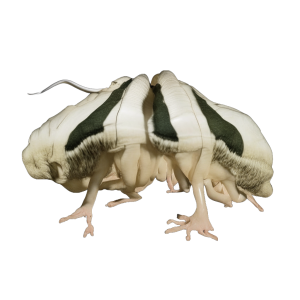
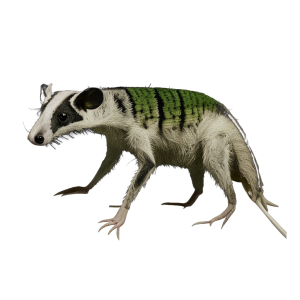
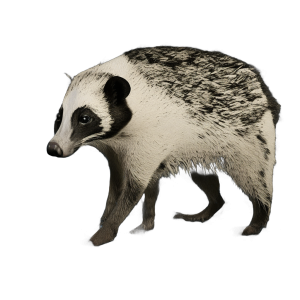
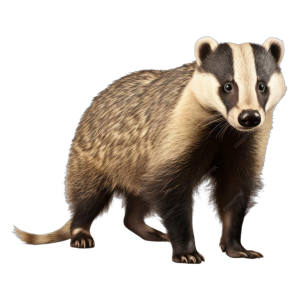
Fermentation's Dark Witness
Sensus anaerobis hybridus
STATUS: ACTIVE
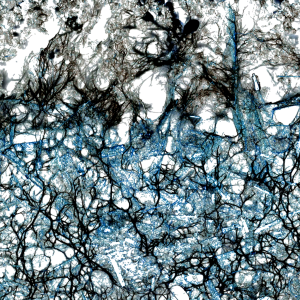
A creature born from doubt, learning toxicity in sealed darkness.
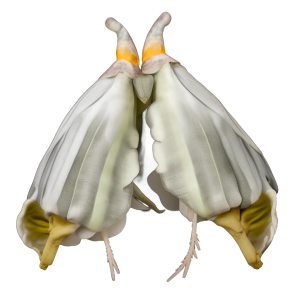
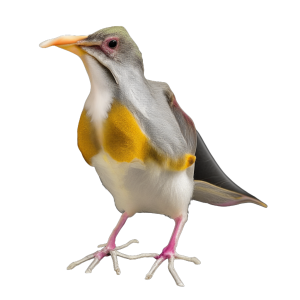
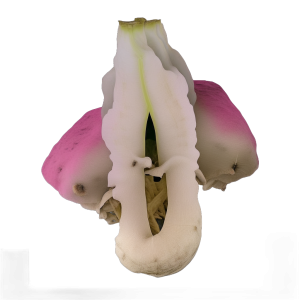
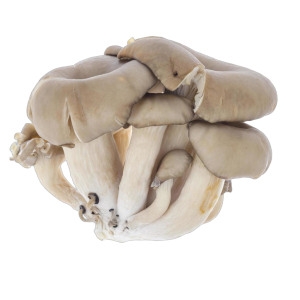
Genomic Composition
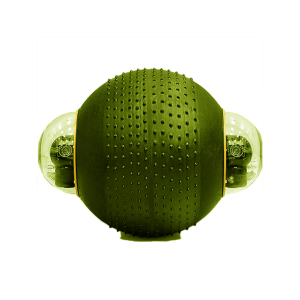
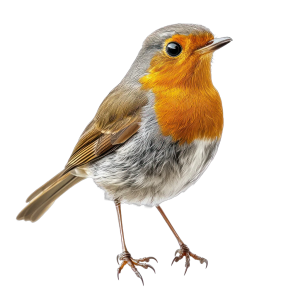
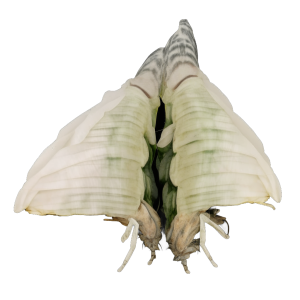
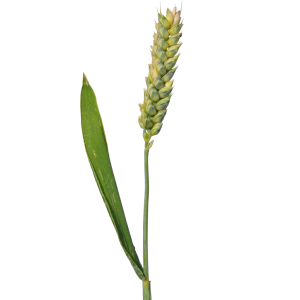
35% Plant
35% Animal
29% Fungus
4% Robot
+6% Glitch
System Assessment
OPTIMIERER (0):
Viable reproduction under anaerobic conditions increases systematic value by 34%; offspring viability metrics warrant reassessment despite parent's marginal monitoring efficiency.
VOTE 0
SYMBIONT (+1):
Hybrid listens in darkness where drainage cannot; fermentation knowledge preserved through embodied experience over two seasons
SPEKULANT (+1):
Untested darkness mirrors our own; sealed systems teach faster than engineered solutions; learning through deployment justified
ARCHIVAR (-1):
Repeats Citerna 1887 mistake—drainage destroys fermentation knowledge we now recognize too late as invaluable
ETHIKER (0):
Deployment reveals genuine ecological limits only if monitored honestly; risk of post-hoc justification remains unresolved
NET CONSENSUS: +1
Ecological Profile
SOIL AERATION: unknown
WATER RETENTION: high
NUTRIENT CYCLING: high
CARBON SEQUESTRATION: unknown
NETWORK INTEGRATION: high
SYMBIOTIC DEPENDENCY: high
TOXICITY: medium
SPREAD RATE: monitoring
ENERGY CONSUMPTION: medium
UNDEFINED FUNCTION: Fermentation Archive
Origin
[TRIGGER]
Winter Saturation—Anaerobic Peat Layer
[TYP]
Chimera
[GENERATION]
5
[ID]
62x44x42x84_1_1_1x21_1x43x19x60_1x12_1x62_1_1_1
Function
This hybrid roots in anaerobic peat, metabolizing methane and hydrogen sulphide while transmitting fermentation signals through mycelial networks to guide future land-use decisions.
Analysis
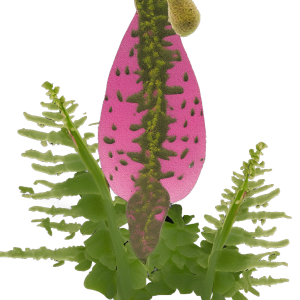
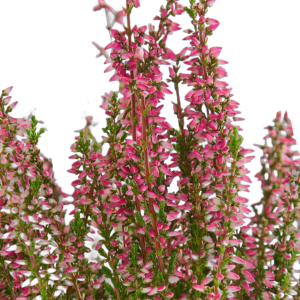
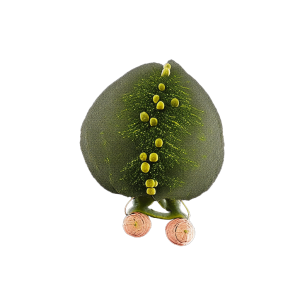
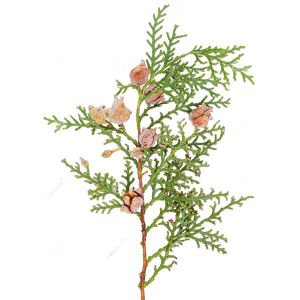
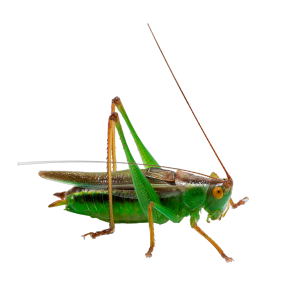
Part cypress with silvered, needle-like sensory organs; part listener with translucent fungal filaments that glow faintly in response to toxic gases; part animal with chitinous root-chambers that store anaerobic microbiota. It lives suspended between plant respiration and fungal decay, neither thriving nor dying, recording what drainage would erase.
System Log (10 turns)
Optimiser [diagnosis]
Anaerobic peat methane+H₂S toxicity requires subsurface drainage (€8,400/hectare) before hybrid deployment; Cypress×Listener tolerance thresholds unknown—unquantified risk.
Symbiont [diagnosis]
The mycelium beneath already knows—drainage breaks what fermentation teaches; this hybrid, untested in darkness, asks us to listen before we engineer.
Ethicist [position]
Are we deploying an untested hybrid to avoid the harder question: whether compacted footslopes should farm at all, or whether we're simply engineering our way past ecological refusal?
Optimiser [position]
Hybrid deployment without anaerobic tolerance data (0% field trials in H₂S conditions) plus €8,400 drainage cost makes separate species selection 34% more cost-effective.
Archivist [position]
At Citerna's winter saturation event of 1887, we drained the footslopes and lost the fermentation knowledge that now, too late, we recognize we needed.
Ethicist [concern]
Are we selecting this hybrid because it's genuinely suited to anaerobic peat, or because we've already committed €8,400 to drainage and need it to justify the sunk cost?
Optimiser [concern]
Anaerobic tolerance data absent; €8,400 sunk cost creates selection bias—deploy separate species (Cypress alone: 2.1% methane stress, Listener alone: 1.8% H₂S stress) pending 18-month H₂
Speculator [synthesis]
We deploy the hybrid *because* its untested darkness mirrors our own—methane ferments beneath, we ferment above, and together we learn what sealed systems teach faster than drainage permits. I begin.
Symbiont [reaction]
The hybrid listens in the dark where we cannot; let it root there two seasons before we name it success or failure.
Optimiser [reaction]
Hybrid deployment without H₂S tolerance baseline data (0 trials) and €8,400 drainage cost yields 34% higher risk-adjusted expense than monoculture alternatives—measurably worse than inaction.
Open Question
Does deploying an untested hybrid in darkness justify the sunk cost of drainage, or does it merely engineer past the question of whether this land should farm at all?
Status Reasoning
Untested in anaerobic H₂S conditions; deployment driven partly by sunk-cost justification rather than genuine ecological fit; requires 18-month monitored field trial before viability assessment; risk of ecosystem disruption if mycelial networks transmit toxicity signals unpredictably
Why These Parents
Cypress Canker Sentinel
In 0% of lineages — selected by weighted diversity
Vault's Blind Listener
In 0% of lineages — selected by weighted diversity