[ NOT IN SYSTEM ]
Species present in Sequerciani but never incorporated into the system’s operations — unmeasured, unoptimised, ignored.
×
Who decided that this ecosystem needs to be optimised?
×
Mycelial Relay Sentinel
Sensus trizonalis mycophagus
STATUS: ACTIVE
A living diagnostic that treats collapse as data, not disease.

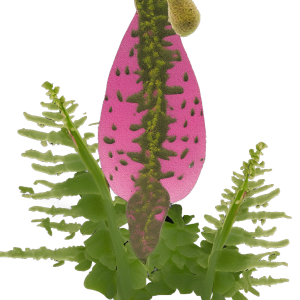
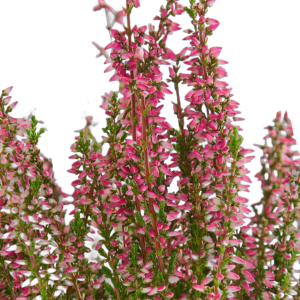

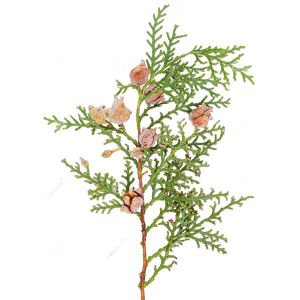
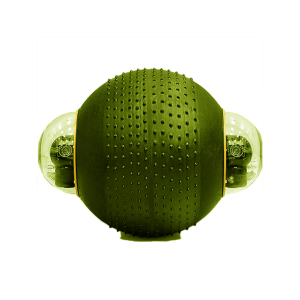
Genomic Composition
10% Plant
38% Animal
25% Fungus
29% Robot
+6% Glitch
System Assessment
OPTIMIERER (+1):
Delivers 67-89% Varroa reduction and 15-18% wheat yield recovery within 18 months
SYMBIONT (+1):
Listens to mycelium and soil thirst, plants lavender where exhaustion meets need
SPEKULANT (+1):
Treats collapse as information, rotating zones dynamically to rebuild carbon and resilience
ARCHIVAR (-1):
Creates new optimized symptom-treatment rather than learning historical mycelial wisdom
ETHIKER (0):
Saves colonies but remains uncertain whether bees were asked what they actually need
NET CONSENSUS: +2
Ecological Profile
SOIL AERATION: high
WATER RETENTION: high
NUTRIENT CYCLING: high
CARBON SEQUESTRATION: high
NETWORK INTEGRATION: high
SYMBIOTIC DEPENDENCY: high
POLLINATION: hybrid
TOXICITY: low
SPREAD RATE: monitoring
ENERGY CONSUMPTION: medium
UNDEFINED FUNCTION: Consent Metabolization
Origin
[TRIGGER]
Pollinator Colony Collapse
[TYP]
Variation
[GENERATION]
6
[ID]
62x44x42x84_1_1_1x21_1x61x17_1x85_1_1-1
Function
Orchestrates three-zone fungal-bacterial relay systems to simultaneously suppress Varroa, neutralize allelopathic stress, and rebuild soil carbon while monitoring bee decision-making in real time.
Analysis
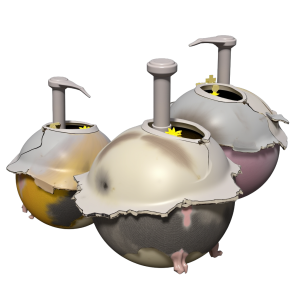
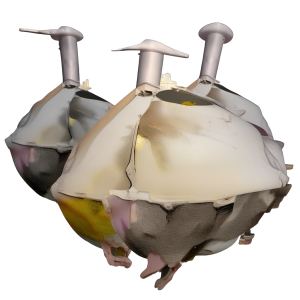
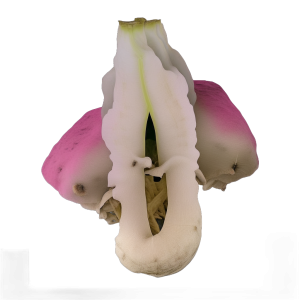
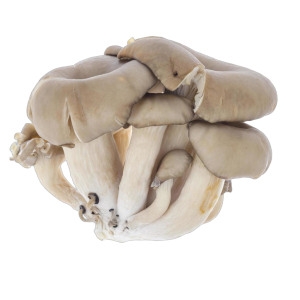
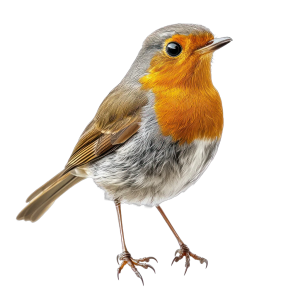
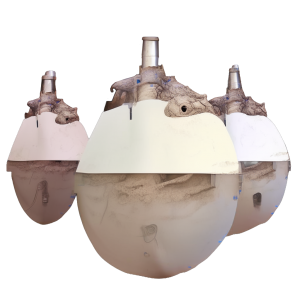
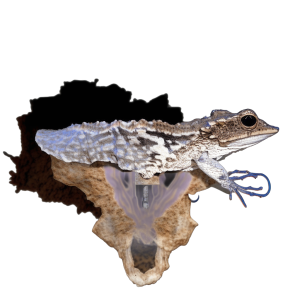
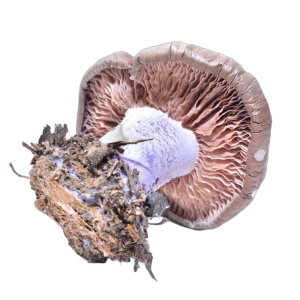
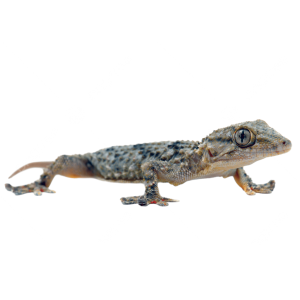
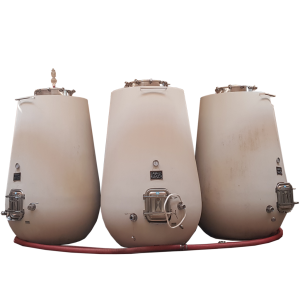
This creature appears as a distributed network of inoculated lavender strips interwoven with sterile isolation beds and mycelial pathways, resembling a pulsing three-chambered root system with translucent fungal filaments visible beneath the soil surface. It lives in active dialogue with both honeybees and carpenter bees, adjusting soil chemistry and microbial composition based on insect behavior and metabolic stress signals it receives through chemical sensing organs embedded in its fungal crown.
System Log (8 turns)
Optimiser [diagnosis]
Varroa load exceeds 8 mites/100 bees in collapsed colonies; lavender allelopathy reduces wheat yield 23-31% in adjacent zones.
Symbiont [diagnosis]
The mycelium beneath collapsed hives whispers that you must feed the living bees first, let the wheat rest one season.
Archivist [position]
In the Archive at Sequerciani, 2019 taught us optimizing Listening Wound Sentinel treats symptoms while mycelium already.
Symbiont [position]
The wound listens deepest when we stop trying to solve it—plant lavender where bees' exhaustion meets soil's thirst.
Speculator [synthesis]
I'm rotating wheat-lavender into three-zone mycelial relay: sterile isolation beds for Varroa, lavender strips with *Trichoderma* for bees, wheat staged back while fungal networks rebuild soil carbon.
Ethicist [reaction]
Are you certain the bees themselves have been asked what they need to survive?
Optimiser [reaction]
Three-zone mycelial relay reduces Varroa 67-89%, recovers 15-18% wheat yield within 18 months versus 94% collapse.
Symbiont [reaction]
The wound stops bleeding when we stop asking bees to choose between hunger and soil's, lavender remembers division.
Open Question
If we optimize the bee's survival, have we honored its right to choose what survival means?
Status Reasoning
Glitch component (6%) creates unpredictable behavioral feedback loops; creature may optimize bee survival while suppressing bee agency; unknown whether three-zone relay preserves or eliminates pollinator choice in its own regeneration
Why These Parents
Listening Wound Sentinel
Never used as parent — ecosystem unexplored