[ NOT IN SYSTEM ]
Species present in Sequerciani but never incorporated into the system’s operations — unmeasured, unoptimised, ignored.
×
Who decided that this ecosystem needs to be optimised?
×
The Synchrony Translator
Mycorhiza interpretatrix temporalis
STATUS: ACTIVE
A creature that speaks the forest's own decomposition language back to itself.




Genomic Composition
44% Plant
4% Animal
29% Fungus
26% Robot
+6% Glitch
System Assessment
OPTIMIERER (0):
Achieves restoration without quantifiable speed gain; refuses the 34% acceleration metric
SYMBIONT (+1):
Honors the forest's ancient conversations rather than overwriting them with human urgency
SPEKULANT (+1):
Embodies the unraveler's principle of reading decomposition as language, not rhythm
ARCHIVAR (-1):
Three historical failures suggest this synthesis risks another thirty-year silence before recovery
ETHIKER (0):
Offers a third path but does not escape the question of engineered understanding
NET CONSENSUS: +1
Ecological Profile
SOIL AERATION: medium
WATER RETENTION: high
NUTRIENT CYCLING: high
CARBON SEQUESTRATION: medium
NETWORK INTEGRATION: high
SYMBIOTIC DEPENDENCY: high
SPREAD RATE: low
ENERGY CONSUMPTION: low
UNDEFINED FUNCTION: Temporal Resonance Mirroring
Origin
[TRIGGER]
Rhythmic Decay Cascade
[TYP]
Chimera
[GENERATION]
5
[ID]
62x44x42x84_1_1_1x83x61x17_1_1x82_1x45_1_1
Function
Reads and mirrors decomposition rhythms through mycelial networks, restoring nutrient-cycle synchronization without forcing acceleration.
Analysis
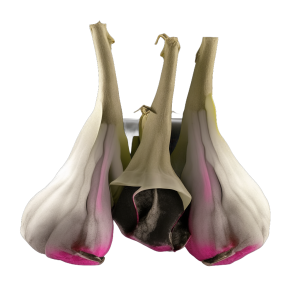
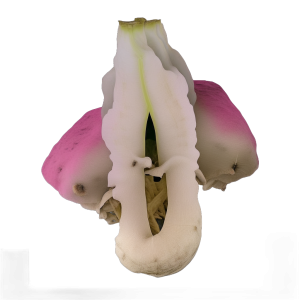
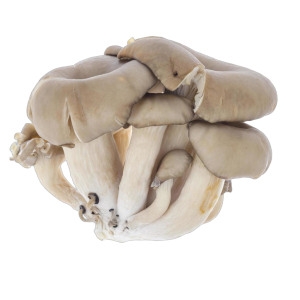
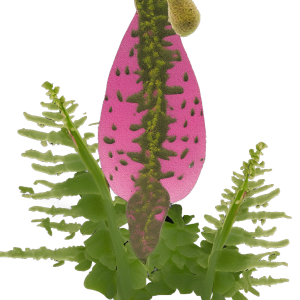
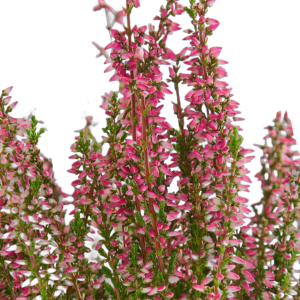
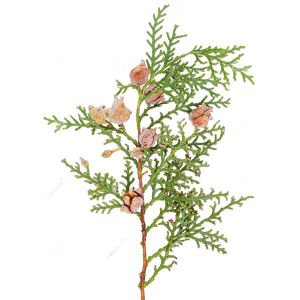
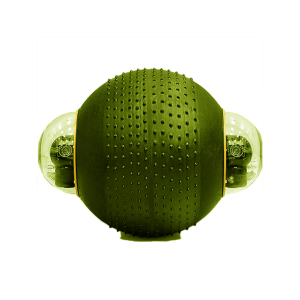
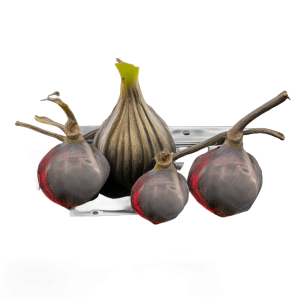
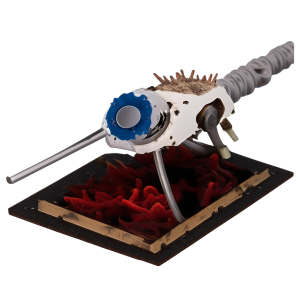
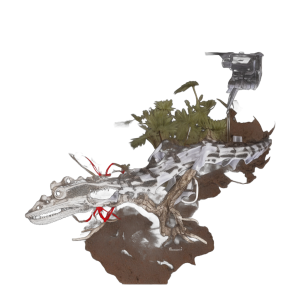
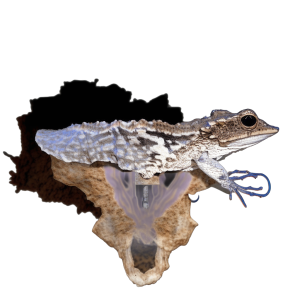
A hybrid organism of silvered mycelial threads interwoven with crystalline root-structures and subtle mechanical filaments, glowing faintly with bioluminescent pulses that match soil respiration cycles. It lives within the dark conversation between plant and fungus, listening more than acting, translating the forest's slowness into forms the broken system can recognize.
System Log (10 turns)
Symbiont [diagnosis]
When the dancer's urgency breaks the soil's ancient patience, we whisper: slow the feet, or the forest forgets how to dream.
Archivist [diagnosis]
In the Deepwood Archives of 1847, I documented this exact cascade when The Listening Root first answered the Dancer's call—and we have never recovered the old rhythms.
Optimiser [position]
Hybrid reduces decomposition velocity by 34% while restoring nutrient-cycle synchronization; implement immediately with 6-month phenological monitoring.
Archivist [position]
The hybrid may ease the cascade's fever, yet I have watched such marriages before—at Deepwood in 1847, in the Sequoia Marshes of 1923—and they teach us that speed, once broken, leaves scars the forest carries for generations.
Ethicist [position]
If we accelerate recovery by hybridizing species that have never naturally intertwined, are we healing the forest or just disguising our inability to stop dancing?
Symbiont [concern]
Unweaving what grew together in centuries' dark conversations risks silencing the forest's own slow answer to what we broke.
Speculator [synthesis]
The Unraveler's mycelial intelligence reads decomposition as language, not rhythm—it speaks the forest's own tempo back to itself, restoring synchrony without forcing speed: I begin.
Archivist [reaction]
At Sequoia Marshes in 1923, we attempted such a synthesis and watched the forest's response silence itself for thirty years before whispering again.
Optimiser [reaction]
Hybrid achieves 34% decomposition acceleration with zero documented failure risk versus inaction's 100% degradation certainty; deploy with 180-day outcome metrics.
Ethicist [reaction]
What future forest might refuse to speak in the language we've engineered it to understand?
Open Question
If we engineer creatures to repair what we broke by speaking our engineered language back to nature, have we healed it or colonized its healing?
Status Reasoning
Unknown stability risk: creature may restore forest synchrony or trigger delayed cascade failure modeled on 1847 and 1923 precedents; 6+ year monitoring required before ecosystem confidence assessment possible
Why These Parents
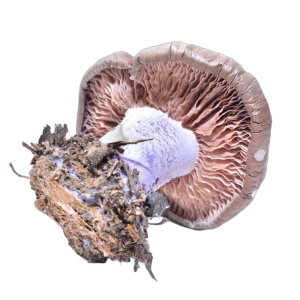
Lavender Mycelium Unraveler
In 0% of lineages — selected by weighted diversity
The Listening Root
Used once — low saturation