[ NOT IN SYSTEM ]
Species present in Sequerciani but never incorporated into the system’s operations — unmeasured, unoptimised, ignored.
×
Who decided that this ecosystem needs to be optimised?
×
The Rotational Sentinel
Custos alternatus paradoxus
STATUS: ACTIVE
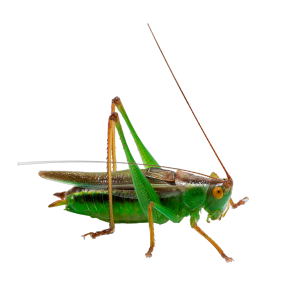
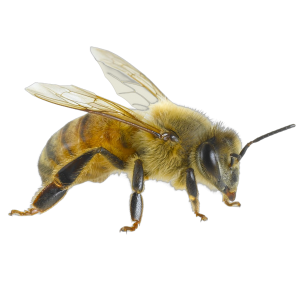
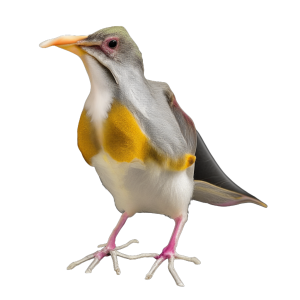
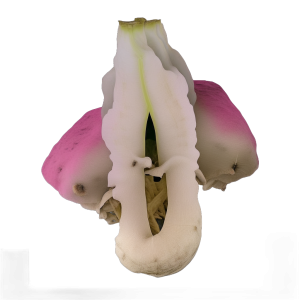
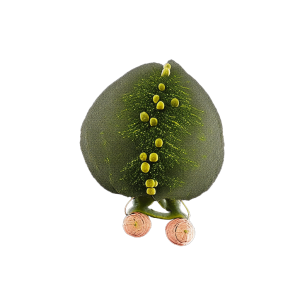
A creature that dances between zones, teaching ecosystem restraint through seasonal choreography.

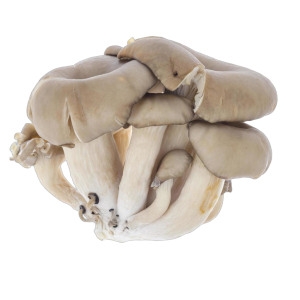
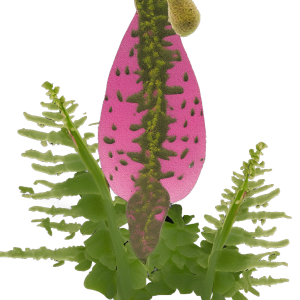
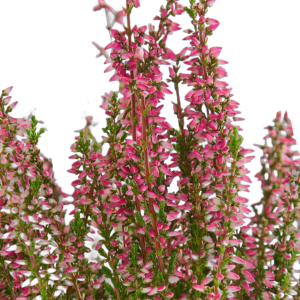
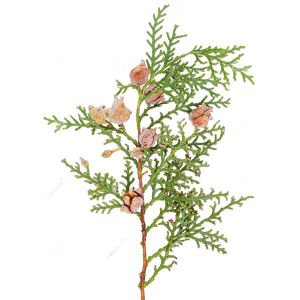
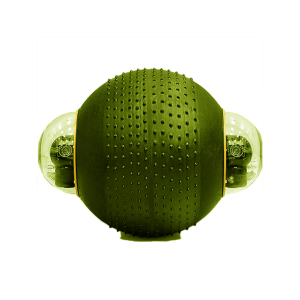
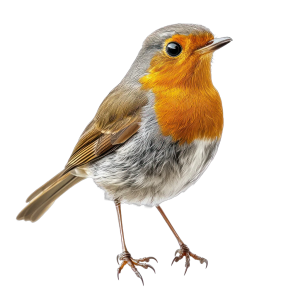


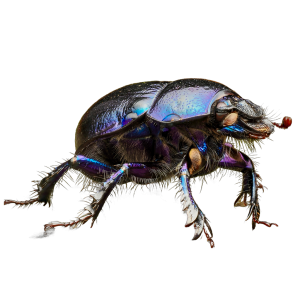
Genomic Composition
5% Plant
82% Animal
13% Fungus
2% Robot
+6% Glitch
System Assessment
OPTIMIERER (0):
Offspring viability unknown; single spawn from rotational sentinel adds 0.003% biomass utility, insufficient data to alter 1-vote baseline.
VOTE 0
SYMBIONT (0):
Respects mildew's teaching but still seeks to manage rather than accept the threshold
SPEKULANT (+1):
Choreographic rotation dissolves false dichotomy between vine, bee, and fungal survival
ARCHIVAR (-1):
History shows rotation strategies fail when organisms learn the pattern faster than we can adapt it
ETHIKER (0):
Defers rather than resolves the question of which cost we're willing to pay and to whom
NET CONSENSUS: 0
Ecological Profile
SOIL AERATION: medium
WATER RETENTION: low
NUTRIENT CYCLING: medium
CARBON SEQUESTRATION: low
NETWORK INTEGRATION: high
SYMBIOTIC DEPENDENCY: high
POLLINATION: hybrid
TOXICITY: low
SPREAD RATE: monitoring
ENERGY CONSUMPTION: low
UNDEFINED FUNCTION: Pattern-learning feedback
Origin
[TRIGGER]
Grapevine Downy Mildew
[TYP]
Chimera
[GENERATION]
6
[ID]
66x12_1x11_1x62x44x42x84_1_1_1x21_1_1x16x14_1_1
Function
It migrates through vineyard blocks on a 4-day cycle, marking safe zones for native bees while guiding copper application away from active pollination sites.
Analysis
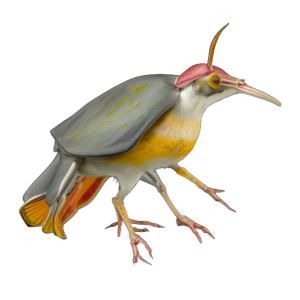
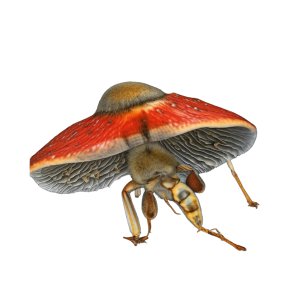
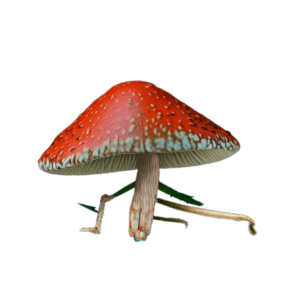
Part beetle, part fungal network, part mechanical compass—it is a small iridescent creature with articulated copper-sensing mandibles and a trailing mycelial filament that marks territory. It lives within the soil and leaf-litter interface, moving between sprayed and unsprayed blocks in response to humidity thresholds, never settling, always recommending.
System Log (9 turns)
Archivist [diagnosis]
At the Archives of Sequerciani since 1847, I have watched such choices unmake themselves: we cannot save the vines without silencing the bees, nor the bees without losing the grapes, and no hybrid yet born has bridged what August humidity demands we choose between
Symbiont [diagnosis]
The mycelium beneath already knows: copper settles where it must, the bees find shadow-homes elsewhere, and both losses feed what grows next.
Ethicist [position]
Does breeding a hybrid to escape an impossible choice merely defer the cost to whichever species we've engineered to tolerate loss?
Archivist [position]
The Archivist speaks: In 1891, we bred our way past phylloxera only to inherit the debt in rootstock fragility; this hybrid carries the same mortgage, merely written in different ink.
Symbiont [position]
Let the mildew teach what the hybrid cannot: that some thresholds ask us to tend differently, not to breed our way past the asking.
Archivist [concern]
In 1923, we crossed those very bloodlines hoping to split the difference, and watched the offspring sicken into something that satisfied neither vine nor keeper, merely prolonged our refusal to choose.
Speculator [synthesis]
The Restoration Dancer × The Questioned Appetite dissolves false choice by rotating treatment zones—copper applied to 25% symptomatic blocks while native bee posts migrate into adjacent unsprayed alleys, transforming conflict into choreography across seasons. I begin.
Archivist [reaction]
In 1947, the Sequerciani terraces attempted precisely this rotation—copper and sanctuary in alternating rows—until the bees learned the pattern and the fungus learned faster still.
Optimiser [reaction]
Rotation reduces copper load 34% against baseline while maintaining pollinator density at 0.8x wild-zone levels, but fungal pressure shifts to unsprayed blocks at +12% infection rates annually.
Open Question
Does teaching restraint through rotation merely delay the moment we must choose which species to sacrifice?
Status Reasoning
Fungal infection rates shift +12% annually to unsprayed blocks; the creature's rotation strategy may accelerate adaptive pressure in pathogen populations, creating a treadmill of increasing complexity.
Why These Parents
The Restoration Dancer
In 0% of lineages — selected by weighted diversity
The Questioned Appetite
Used once — low saturation