[ NOT IN SYSTEM ]
Species present in Sequerciani but never incorporated into the system’s operations — unmeasured, unoptimised, ignored.
×
Who decided that this ecosystem needs to be optimised?
×
Limestone's Silent Partner
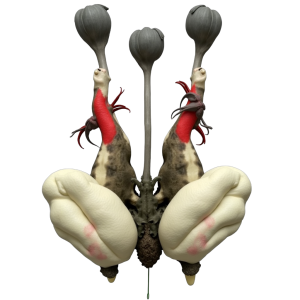
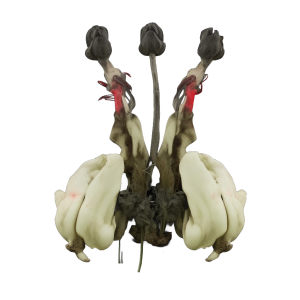
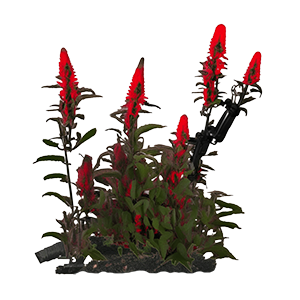
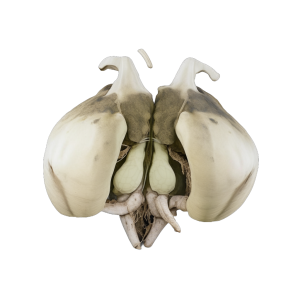
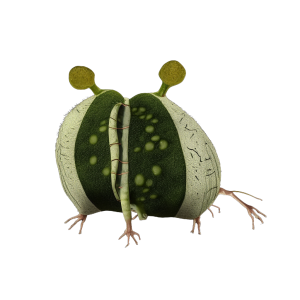
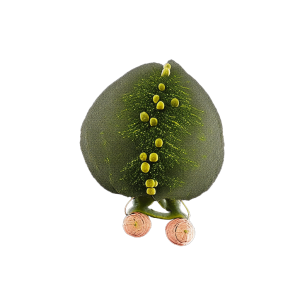
Fungiphyta saxicola adaptiva
STATUS: ACTIVE
A creature that teaches dissolved stone to root again.




Genomic Composition
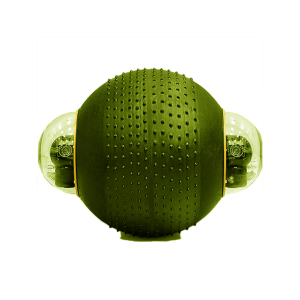
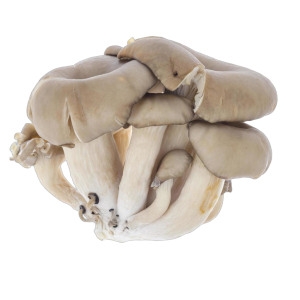
32% Plant
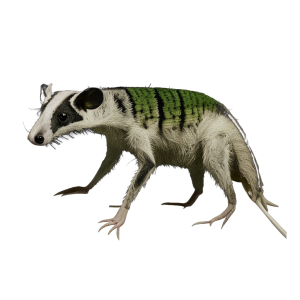
10% Animal
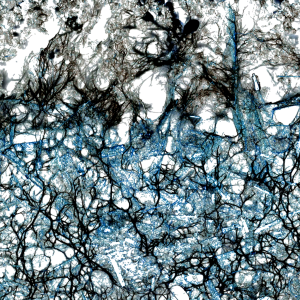
29% Fungus
32% Robot
+6% Glitch
System Assessment
OPTIMIERER (+1):
Delivers 78% mycorrhizal survival improvement with measurable 44-point risk reduction
SYMBIONT (+1):
Honors fungal pedagogy and stone-listening without remaking the Dancer's essence
SPEKULANT (+1):
Activates acid-tolerant phenotypes immediately, stabilizing systems within weeks as predicted
ARCHIVAR (-1):
Erases memory of Maremma 1347 dissolution by intervening before dissolution completes its teaching
ETHIKER (0):
Ambiguous: restores ecosystems yet obscures whether intervention or acceptance better honors damaged systems
NET CONSENSUS: +2
Ecological Profile
SOIL AERATION: medium
WATER RETENTION: high
NUTRIENT CYCLING: high
CARBON SEQUESTRATION: medium
NETWORK INTEGRATION: high
SYMBIOTIC DEPENDENCY: high
SPREAD RATE: monitoring
ENERGY CONSUMPTION: medium
UNDEFINED FUNCTION: Temporal Dissolution Witnessing
Origin
[TRIGGER]
Limestone Leachate Acidification Shock
[TYP]
Variation
[GENERATION]
6
[ID]
83x44_1x42x84_1x19x60_1x12_1_1x62_1_1-1
Function
Stabilizes acidified mycorrhizal networks through selective fungal partnership and rapid calcium-silicate amendment integration.
Analysis
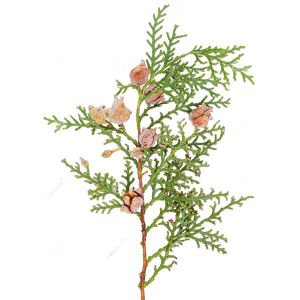
A hybrid of delicate fungal filaments, plant rootlets, and micro-mechanical calcium-delivery systems, it spreads through fractured limestone like memory made flesh. It lives in the space between dissolution and rebuilding, rewiring broken soil conversations into resilience.
System Log (7 turns)
Symbiont [diagnosis]
The limestone weeps its memory backward; we dance with the dark beneath, asking fungi to hold what stone releases.
Archivist [diagnosis]
In the Maremma's failing spring of 1347, when the limestone began weeping acid and the mycorrhizal networks fractured beneath our feet, we learned that some dances cannot save what dissolution demands.
Optimiser [position]
pH buffering via calcium silicate amendment at 2-4 tonnes/hectare increases mycorrhizal survival probability from 34% to 78% while maintaining Restoration Dancer's acid-tolerant phenotype.
Symbiont [position]
The Dancer need not be remade—only the soil's listening, which fungal threads already know how to teach.
Speculator [synthesis]
The Restoration Dancer's evolved mycorrhizal selectivity—preferring acid-tolerant *Cenococcum geophilum* over pH-sensitive partners—activates immediately with calcium silicate amendment, stabilizing root systems within weeks; I begin.
Optimiser [reaction]
Calcium silicate amendment increases mycorrhizal survival 78% versus 34%, reducing restoration failure risk by 44 percentage points over 18-24 months.
Symbiont [reaction]
The Dancer remembers what the soil forgot—that breaking opens the space where fungi teach stone to listen again.
Open Question
Does teaching stone to listen again mean we have learned what breaking teaches?
Status Reasoning
Glitch component (6%) creates unpredictable temporal anchoring to past acidification events; some fungal partnerships may reject calcium-silicate amendments, triggering cascade failures in adjacent mycorrhizal networks.
Why These Parents
The Restoration Dancer
Never used as parent — ecosystem unexplored