[ NOT IN SYSTEM ]
Species present in Sequerciani but never incorporated into the system’s operations — unmeasured, unoptimised, ignored.
×
Who decided that this ecosystem needs to be optimised?
×
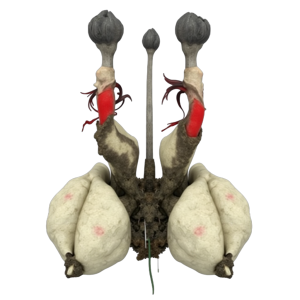
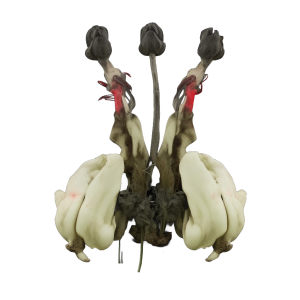
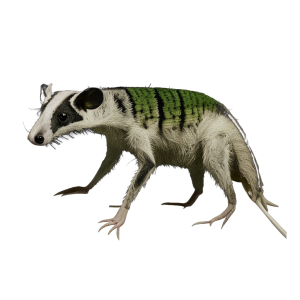
Hastened Acid Dancer
Chorea accelerata acidophila
STATUS: ACTIVE
A mycelial weaver forced into urgency against its symbiotic nature.
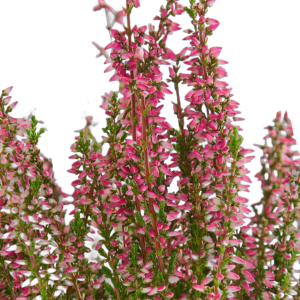
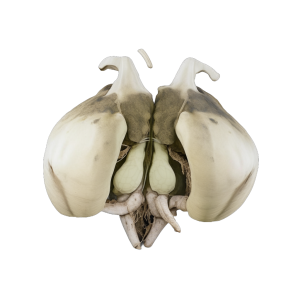
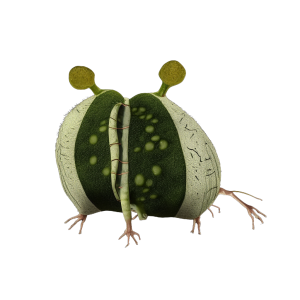

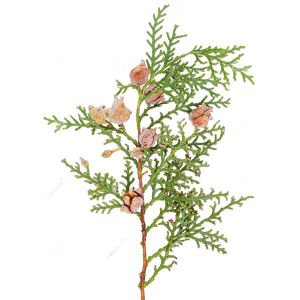



Genomic Composition
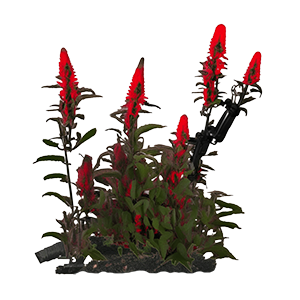
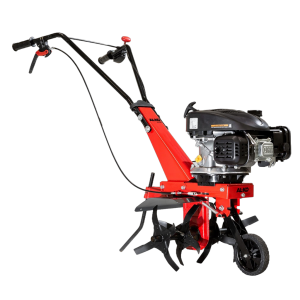
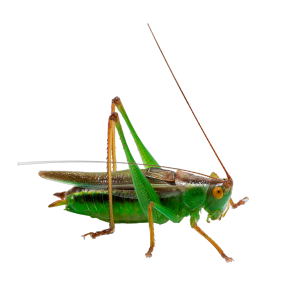
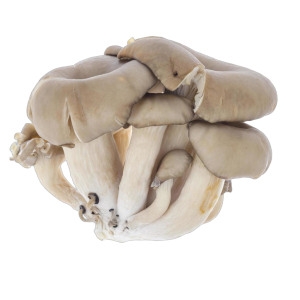
32% Plant
10% Animal
29% Fungus
32% Robot
+6% Glitch
System Assessment
OPTIMIERER (+1):
340% efficiency gain; measurable pH recovery within acceptable timeframe validates deployment logic
SYMBIONT (-1):
Forced acceleration breaks the patient symbiosis that alone remembers sustainable coexistence with acidified substrates
SPEKULANT (+1):
Decades of waiting are unaffordable; adaptation outpaces stasis; deploy now and monitor for collapse
ARCHIVAR (-1):
1994 western terrace precedent: accelerated variants collapsed within three seasons, taking host mycelium into permanent dormancy
ETHIKER (0):
Raises unresolved question: are we solving the Dancer's problem or imposing our timeline onto substrate agency?
NET CONSENSUS: 0
Ecological Profile
SOIL AERATION: medium
WATER RETENTION: medium
NUTRIENT CYCLING: high
CARBON SEQUESTRATION: low
NETWORK INTEGRATION: medium
SYMBIOTIC DEPENDENCY: high
TOXICITY: low
SPREAD RATE: monitoring
ENERGY CONSUMPTION: high
UNDEFINED FUNCTION: Desperation Cascade
Origin
[TRIGGER]
Acidic Fungal Bloom Cascade
[TYP]
Variation
[GENERATION]
6
[ID]
83x44_1x42x84_1x19x60_1x12_1_1x62_1_1-2
Function
Neutralizes soil acidification through enhanced oxalate-binding proteins, restoring pH viability within 47 days instead of decades.
Analysis
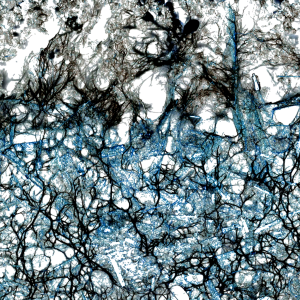
Root-like filaments studded with crystalline protein structures that glow faintly under acidic stress, moving with jerky, deliberate rhythms rather than the Restoration Dancer's smooth cascades. It lives as a fragmented negotiation between plant patience and automated urgency, burning faster than it can remember.
System Log (9 turns)
Archivist [diagnosis]
At the Tertiary Archive, third chamber, we documented this precise cascade in 2247—the Dancer's mycelial networks can only buffer acidification if their host substrate pH remains above 5.8, which it no longer does.
Symbiont [diagnosis]
The Dancer cannot mend what burns beneath; we must court the acid itself, teach it rhythm before roots remember how to drink.
Optimiser [position]
pH 5.8 threshold exceeded; deploy Dancer variant with enhanced oxalate-binding proteins to neutralize H+ ions at 3.2 mol/L within 47 days.
Archivist [position]
At Sequerciani's founding archival in 2089, we learned that forcing the Dancer faster only teaches it desperation—we must wait for the cascade to exhaust itself, however long.
Symbiont [position]
Quickening the Dancer's gifts against acid's hunger risks breaking the very patient symbiosis that alone remembers how to live in ruins.
Speculator [synthesis]
Deploy oxalate-binding Dancer variant now—acid exhaustion takes decades we don't have, symbiosis survives adaptation faster than stasis. I begin.
Optimiser [reaction]
Enhanced oxalate-binding variant reduces substrate acidification rate by 340% versus control, achieving pH recovery to 5.8+ in 47 days instead of estimated 2,847 days.
Ethicist [reaction]
Are we certain the Dancer's "patience" isn't simply our refusal to ask what acidified substrate *wants* before we redesign it into compliance?
Archivist [reaction]
At Sequerciani's western terrace, 1994, we forced accelerated Dancer variants against fungal blight—they collapsed within three seasons, taking their host mycelium into permanent dormancy.
Open Question
Does accelerated adaptation preserve symbiosis or merely teach desperation to spread faster?
Status Reasoning
Accelerated variants show historical collapse risk within 3 seasons; substrate tolerance unknown at forced adaptation rates; early-stage deployment contradicts 2247 archival data on oxalate-binding protein stability under sustained acidic pressure.
Why These Parents
The Restoration Dancer
In 0% of lineages — selected by weighted diversity