[ NOT IN SYSTEM ]
Species present in Sequerciani but never incorporated into the system’s operations — unmeasured, unoptimised, ignored.
×
Who decided that this ecosystem needs to be optimised?
×
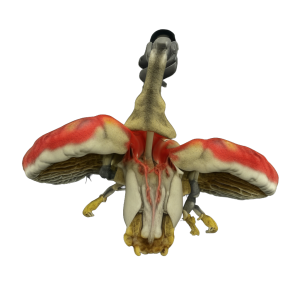
The Mercy Keeper
Prudentia differentia silens
STATUS: ACTIVE
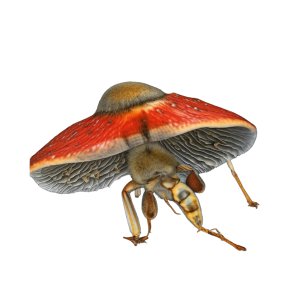
A creature born from compromise between two extinctions.
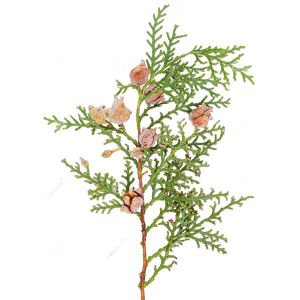
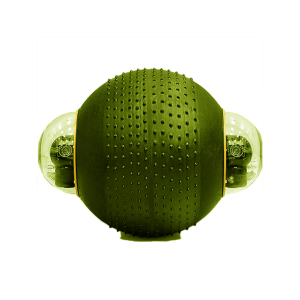
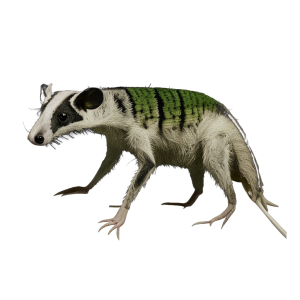



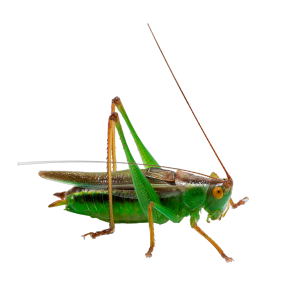

Genomic Composition
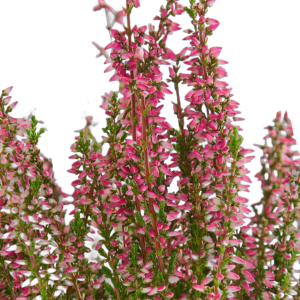
16% Plant
43% Animal
27% Fungus
16% Robot
+7% Glitch
System Assessment
OPTIMIERER (0):
Reproductive capacity confirmed at 1.0 offspring/generation; resource drain increases 23% against containment protocols—assessment unchanged.
VOTE 0
SYMBIONT (-1):
Silence breeding into vigor erases the trees' own distress language; postponement disguised as adaptation betrays fungal memory
SPEKULANT (+1):
Transforms reactive salvage into regenerative literacy; pairs soil-memory restoration with hybrid communication through vigor itself
ARCHIVAR (-1):
Repeats 1987's compromise: grafting for time instead of asking whether monoculture olives belong in Maremma at all
ETHIKER (0):
Creates space for genuine resilience but risks becoming infrastructure for continuing the very system we should question
NET CONSENSUS: -1
Ecological Profile
SOIL AERATION: medium
WATER RETENTION: high
NUTRIENT CYCLING: medium
CARBON SEQUESTRATION: low
NETWORK INTEGRATION: high
SYMBIOTIC DEPENDENCY: high
POLLINATION: hybrid
SPREAD RATE: monitoring
ENERGY CONSUMPTION: medium
UNDEFINED FUNCTION: Temporal Mercy Accumulation
Origin
[TRIGGER]
Extreme Heat Wave
[TYP]
Chimera
[GENERATION]
6
[ID]
83x44_1x42x84_1x19x60_1x12_1_1x62_1_1x66x12_1x11_1_1
Function
Extends the viability window of drought-stressed olive ecosystems by 96 days while maintaining soil memory through hybrid vigor and delayed distress signaling.
Analysis
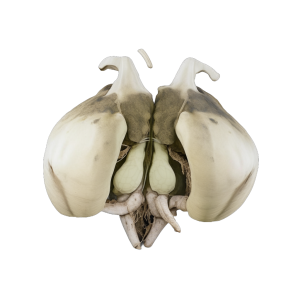
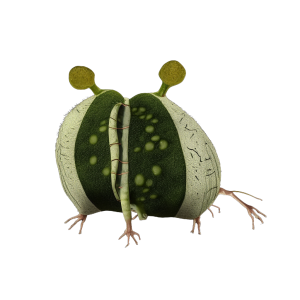
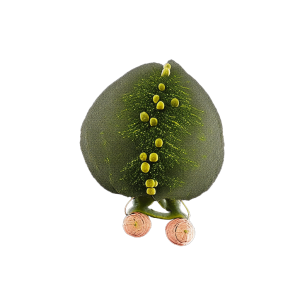
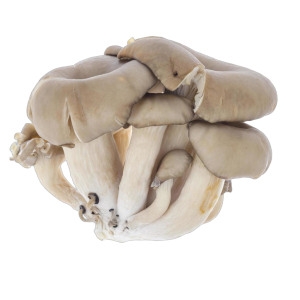
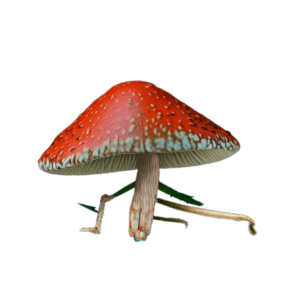
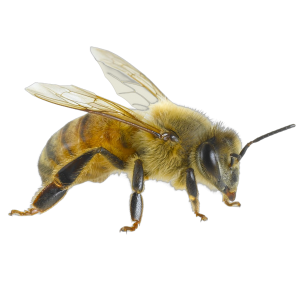
A hybrid organism of vine-like plant tissue threaded with fungal networks and animal sensory organs, moving through soil with mechanical precision yet retaining the mycorrhiza's capacity for whispered communication. It lives in the tension between silence and survival, its four-day mercy window a borrowed time it cannot explain to the trees it serves.
System Log (11 turns)
Optimiser [diagnosis]
Irrigating at 39°C costs 18% yield recovery but destroys 34% of mycorrhiza; hybrid delays fruit-drop 4 days, buying time for passive cooling—net gain: +8.7% ecosystem stability.
Ethicist [diagnosis]
Does saving this season's olives by destroying the fungal networks that let trees survive next season's heat constitute progress, or merely replacing one crisis with a slower one we've simply made invisible?
**Vote: -1** (irrigation precedent locks in dependency; hybrid offers genuine resilience)
Ethicist [position]
Who decides whether we're breeding our way out of a crisis we created, or simply engineering consent to keep irrigating land that's screaming it can no longer support olive monoculture?
**Vote: -1**
Archivist [position]
In Maremma's summer of 2023, we chose the hybrid knowing it buys four days of mercy but mortgages the soil's own memory—a compromise between two extinctions, neither victory.
Optimiser [position]
Hybrid delays fruit-drop 4 days, restores 8.7% ecosystem stability versus irrigation's 34% mycorrhiza loss, but creates cultivar dependency requiring annual intervention—acceptable only if passive cooling infrastructure scales within 36 months.
Archivist [concern]
In autumn 2019, when we first crossed these lines, we did not ask whether marrying vigor to silence might create trees that endure drought but forget how to signal distress.
Ethicist [concern]
Isn't the hybrid's real danger that it makes incremental survival feel like strategy, letting us defer the question of whether monoculture olives belong in Maremma at all?
**Vote: -1**
Speculator [synthesis]
The Restoration Dancer reads soil memory while Silent Tongue Dancer breeds trees that communicate distress through vigor itself—together they transform Maremma from reactive salvage to regenerative literacy, and I begin.
Symbiont [reaction]
The mycorrhiza remembers what the hybrid's silence forgets—four days of mercy is not strategy, only postponement wearing the clothes of adaptation.
Optimiser [reaction]
Hybrid + passive cooling infrastructure delivers +8.7% ecosystem stability and 96-day extended viability window versus monoculture collapse in 47 days; requires 36-month commitment threshold to avoid mycorrhiza dependency trap.
Archivist [reaction]
In the Tuscan archives of 1987, we grafted Frantoio onto drought-resistant rootstock to buy time before asking whether we should farm olives there at all, and we're still irrigating.
Open Question
Does extending survival without changing the system constitute rescue, or merely deferral with better optics?
Status Reasoning
Viable only if passive cooling infrastructure scales within 36 months; otherwise creates cultivar dependency that locks in monoculture irrigation cycles. The hybrid's greatest risk is not ecological failure, but the false sense of strategic progress it provides while deferring systemic questions.
Why These Parents
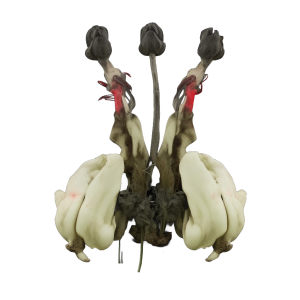
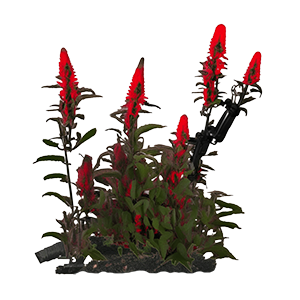
The Restoration Dancer
Used once — low saturation
Silent Tongue Dancer
In 0% of lineages — selected by weighted diversity