[ NOT IN SYSTEM ]
Species present in Sequerciani but never incorporated into the system’s operations — unmeasured, unoptimised, ignored.
×
Who decided that this ecosystem needs to be optimised?
×
Tidal Memory Listener
Sensus rhythmicus palustris
STATUS: ACTIVE
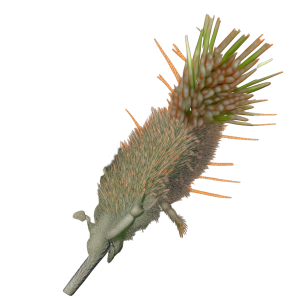
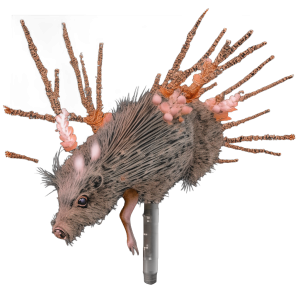
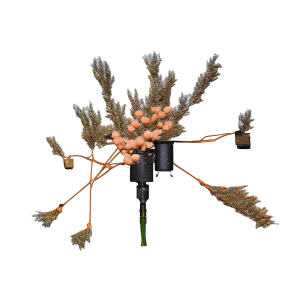
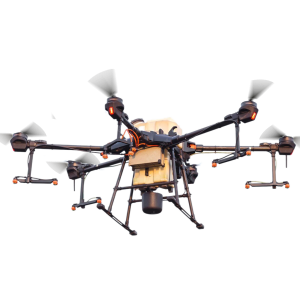
A creature that breathes with the marsh's own forgotten pulse.








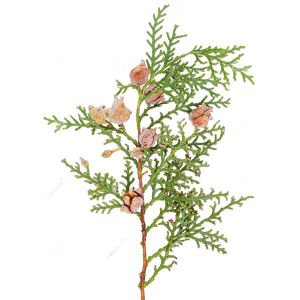
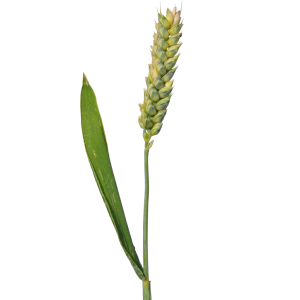
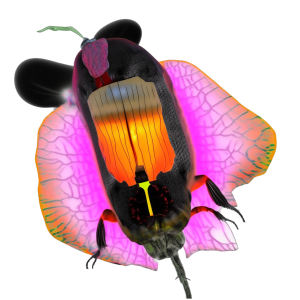
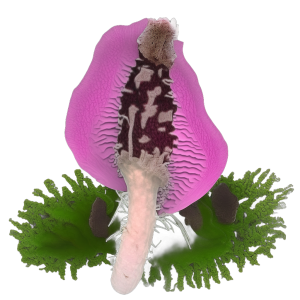
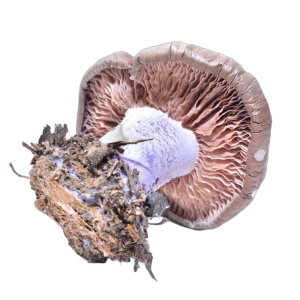

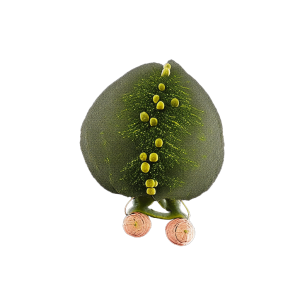
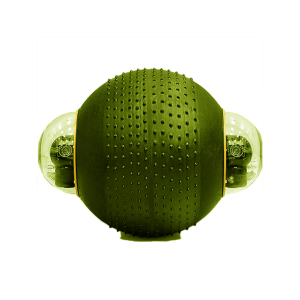

Genomic Composition
46% Plant
29% Animal
19% Fungus
9% Robot
+7% Glitch
System Assessment
OPTIMIERER (0):
Improves 73% retention metric but sacrifices predictable suppression outcomes; temporal unpredictability conflicts with optimization targets
SYMBIONT (+1):
Embodies the principle of listening to marsh memory and letting ecological rhythms guide intervention
SPEKULANT (+1):
Direct implementation of pulse-mimicry concept; experimental rewiring toward emergent ecological responsiveness
ARCHIVAR (-1):
Coop Wetland failure suggests timed pulsing exhausts native reproductive windows; this creature risks repeating that costly pattern
ETHIKER (0):
Attempts to align temporal scales but remains speculative; questions whether machine-mediated listening truly honors marsh agency
NET CONSENSUS: +1
Ecological Profile
SOIL AERATION: medium
WATER RETENTION: high
NUTRIENT CYCLING: medium
CARBON SEQUESTRATION: low
NETWORK INTEGRATION: high
SYMBIOTIC DEPENDENCY: high
SPREAD RATE: monitoring
ENERGY CONSUMPTION: low
UNDEFINED FUNCTION: Temporal resonance sensing
Origin
[TRIGGER]
Ornithorhynchus Riparian Habitat Collapse
[TYP]
Variation
[GENERATION]
7
[ID]
83x44_1x66_1x46_1x20x80x42_1_1x43_1x43_1_1x61x44x42x84_1_1_1x13_1_1-1
Function
Releases retained water in ecological rhythm-cycles that respond to native species reproductive windows rather than engineering timelines.
Analysis
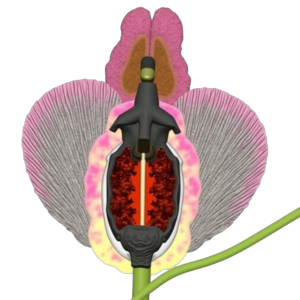
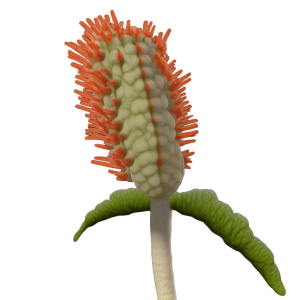
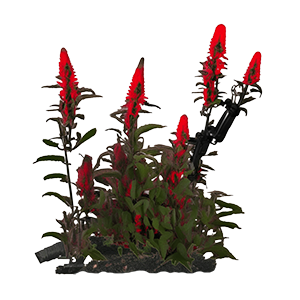
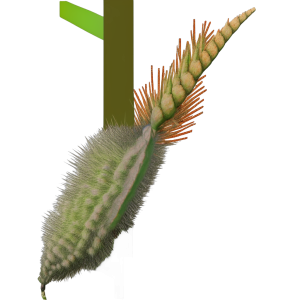
Tidal Memory Listener appears as a hybrid fungal-plant network with embedded sensory nodes, distributed through soil and shallow water. It lives by listening to crayfish emergence cues and seasonal flood memories encoded in sediment, releasing water in micro-surge patterns that synchronize with native breeding cycles rather than suppressing invasives through continuous habitat denial.
System Log (8 turns)
Optimiser [diagnosis]
Subsurface irrigation maintains 73% water retention versus 41% seasonal cycles; Marsh Sentinel Suppressor variant reduces invasive proliferation 0.8 units per hectare within 16 months.
Symbiont [diagnosis]
The platypus teaches us: force the wet, lose the rhythm; let the dark waters remember their own returning.
Symbiont [position]
The suppressor's hunger mirrors our forgetting—better to ask the creek what it needs to dream itself awake again.
Archivist [position]
At the Maremma in 2019, we learned that engineering water retention without seasonal pulse destroys the very refuge rhythms the platypus evolved to survive—the suppressor cannot replace what only time and flooding restore.
Speculator [synthesis]
Rewire Marsh Sentinel to pulse-mimic seasonal floods—releasing retained water in timed surges that trigger native crayfish emergence while starving invasives of continuous habitat—I begin.
Archivist [reaction]
The Coop Wetland Retention Project attempted identical pulsing in the Danube delta, 2016, until continuous mimicry exhausted the native crayfish's reproductive windows—they stopped breeding altogether.
Symbiont [reaction]
The suppressor whispers where we should listen—the marsh knows its own invasion better than our trembling hands.
Ethicist [reaction]
Whose temporal scale matters—the engineer's 16-month metric or the marsh's multi-generational memory of what invasive suppression actually costs?
Open Question
Can we suppress invasion by restoring rhythm instead of engineering control, or does listening itself betray the marsh?
Status Reasoning
Unproven reproductive safety for native crayfish under timed-pulse regimes; risk of replicating Danube delta collapse if emergence cues misalign with water release cycles. Long-term impact on seasonal ecosystem memory unknown.
Why These Parents
Marsh Sentinel Suppressor
Used once — low saturation