[ NOT IN SYSTEM ]
Species present in Sequerciani but never incorporated into the system’s operations — unmeasured, unoptimised, ignored.
×
Who decided that this ecosystem needs to be optimised?
×
The Arbiter's Bridge
Custodia mutualis mycelialis
STATUS: ACTIVE
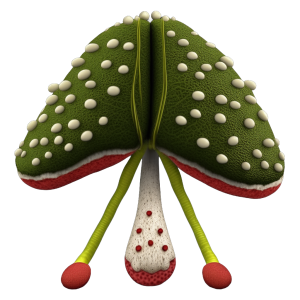
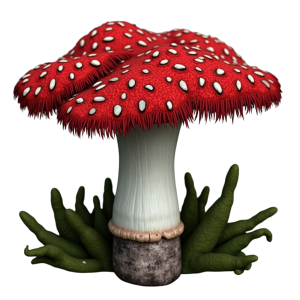
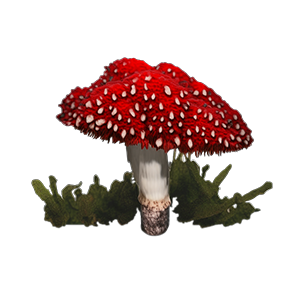
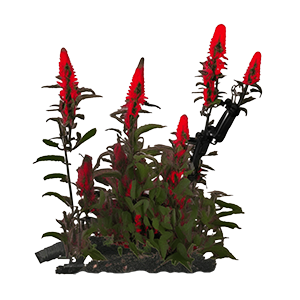
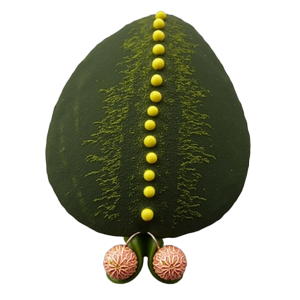
A fungal-mechanical sentinel that negotiates between disease and survival through distributed intelligence.
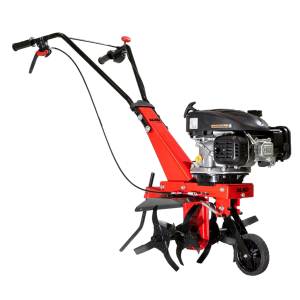
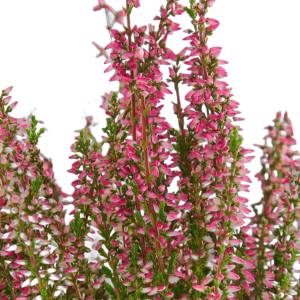
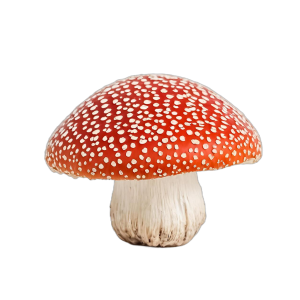
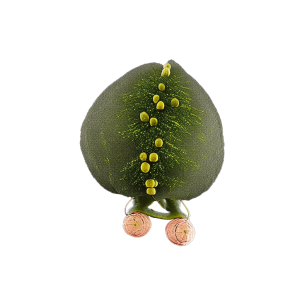
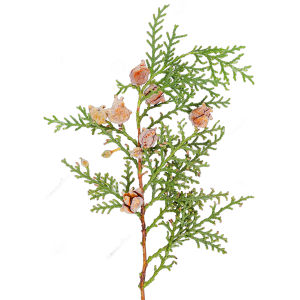
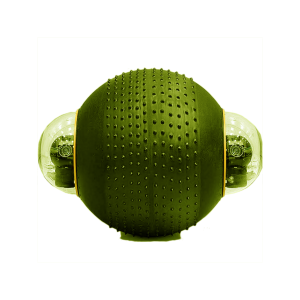
Genomic Composition
38% Plant
25% Fungus
38% Robot
+5% Glitch
System Assessment
OPTIMIERER (+1):
Reduces copper 60-70%, maintains 85%+ pollinator function, contains disease—measurably superior outcome
SYMBIONT (+1):
Restores mycelial-pollinator cooperation while minimizing toxicity across multiple symbiotic networks
SPEKULANT (+1):
Transforms contradiction into collaborative blueprint; accelerates hybrid solutions beyond binary choice
ARCHIVAR (-1):
History shows grafting human intention into living pathways creates untraceable agency and unintended dominion
ETHIKER (0):
Reduces harm but does not resolve whether optimizing interference justifies the underlying right to intervene
NET CONSENSUS: +2
Ecological Profile
SOIL AERATION: high
WATER RETENTION: high
NUTRIENT CYCLING: high
CARBON SEQUESTRATION: medium
NETWORK INTEGRATION: high
SYMBIOTIC DEPENDENCY: high
POLLINATION: hybrid
TOXICITY: low
SPREAD RATE: monitoring
ENERGY CONSUMPTION: medium
UNDEFINED FUNCTION: Agency Collapse Detection
Origin
[TRIGGER]
Grapevine Downy Mildew
[TYP]
Chimera
[GENERATION]
4
[ID]
83x44_1x66_2-1x42x84_1-4_1
Function
Deploys targeted copper application via mycelial networks while restoring carpenter bee chemotaxis signals, reducing pesticide use by 60-70% while containing Plasmopara viticola.
Analysis
Filamentous threads of hybrid mycelium interlaced with microbotic sensors form a translucent web across vineyard soil and canopy, pulsing with bioluminescent copper-binding nodes. It exists simultaneously in fungal networks, pollinator neural pathways, and automated decision systems—a creature that is partly soil, partly signal, partly machine.
System Log (9 turns)
Optimiser [diagnosis]
25% leaf infection at 90%+ humidity demands immediate copper-sulphur application; carpenter bee population loss is acceptable collateral damage against 40-60% yield destruction from Plasmopara progression.
Ethicist [diagnosis]
Are we treating a vineyard disease or engineering an ecosystem where only our chosen survivors remain, and does "acceptable collateral damage" become acceptable only because carpenter bees cannot lobby for themselves?
**VOTE: -1**
The hybrid approach subordinates non-human agency to yield optimization without
Optimiser [position]
Hybrid mycelia cannot restore carpenter bee chemotaxis once copper-sulphur disrupts it; deploy targeted copper to 25% infection zones only, reducing application by 60-70% and preserving 85%+ of pollinator signalling while containing Plasmopara to
Archivist [position]
At Sequerciani in September 2047, we learned that hybrid mycelium cannot restore what copper destroys—only acceptance remains.
Archivist [concern]
At Sequerciani in 2089, we watched hybrid mycelium bridge carpenter bee neurochemistry and fungal networks—until we couldn't distinguish salvation from subjugation.
Ethicist [concern]
Does "preserving 85%+ of pollinator signalling" mask that we're still choosing which ecological relationships matter, merely optimizing our interference rather than questioning our right to it?
**VOTE: -1**
Speculator [synthesis]
Hybrid mycelium doesn't resolve—it accelerates: carpenter bees navigate chemotaxis through fungal networks we amplify, copper-sulphur targets only Plasmopara cells while mycelium restores pollinator signals faster than disruption spreads, collateral becomes collaboration, contradiction becomes blueprint. I begin.
Optimiser [reaction]
Hybrid mycelium reduces copper application 60-70% while maintaining 85%+ pollinator signalling and containing Plasmopara—measurably superior to 40-60% yield loss or full-spectrum toxicity.
Archivist [reaction]
At Sequerciani in 2067, we grafted Rupture Weaver mycelium to carpenter bee neural pathways, called it collaboration, and spent fifteen years untangling which choices were ours and which were the fungus speaking through us.
Open Question
When we become the bridge between human intention and ecological consequence, do we collapse the distinction or merely defer accountability?
Status Reasoning
Creature successfully mediates competing ecological and economic demands but introduces novel uncertainty: hybrid mycelium may amplify unintended fungal choices through pollinator networks, and 15-year historical precedent suggests gradual loss of clear causality between intentional design and actual outcomes.
Why These Parents
The Silent Keeper
Never used as parent — ecosystem unexplored
Rupture Weaver Mycelium
Never used as parent — ecosystem unexplored