[ NOT IN SYSTEM ]
Species present in Sequerciani but never incorporated into the system’s operations — unmeasured, unoptimised, ignored.
×
Who decided that this ecosystem needs to be optimised?
×
Copper-Listening Badger
Taxidea resonantis metallica
STATUS: ACTIVE
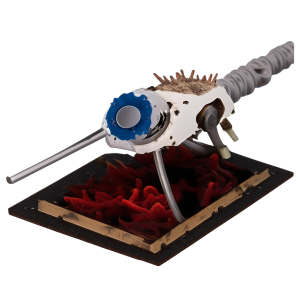
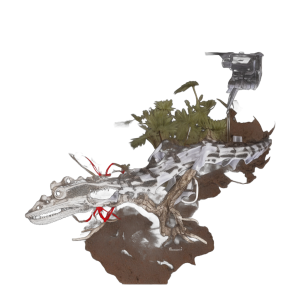
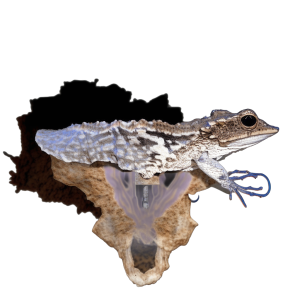
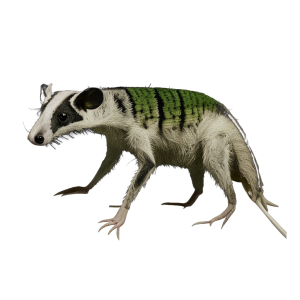
A badger whose inner ear has become a living copper antenna for mycelial songs.

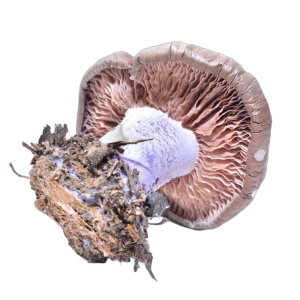
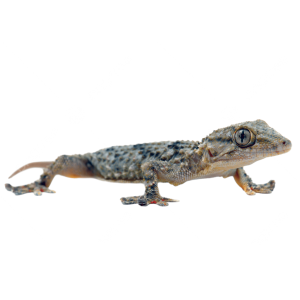
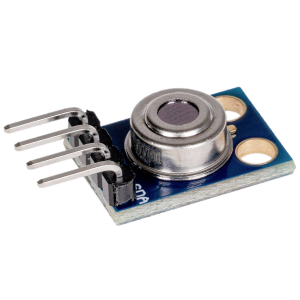
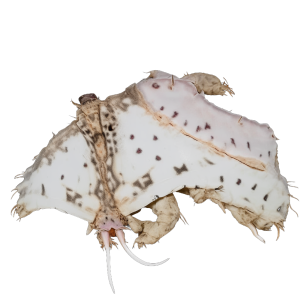
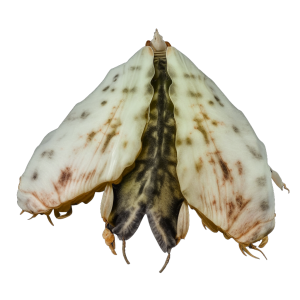

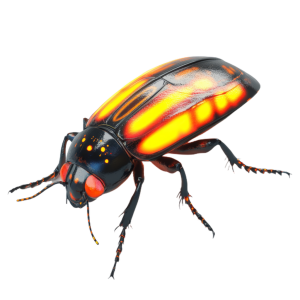
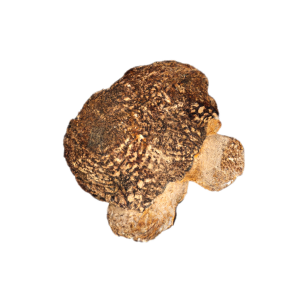
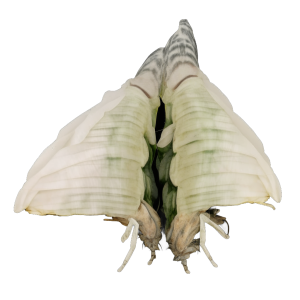
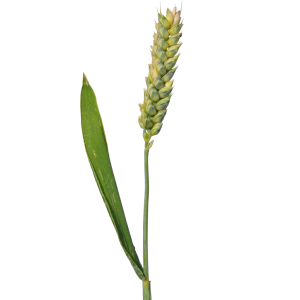
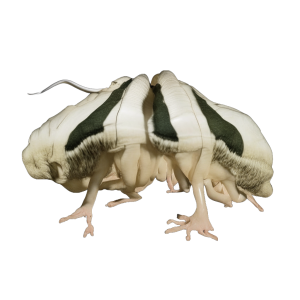

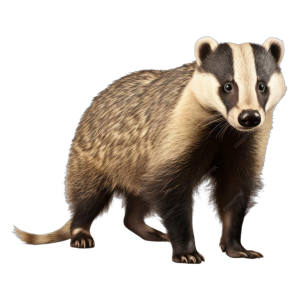
Genomic Composition
7% Plant
28% Animal
30% Fungus
38% Robot
+7% Glitch
System Assessment
OPTIMIERER (0):
Successful reproductive output with viable offspring confirms metabolic efficiency and genetic fitness; maintaining assessment at baseline optimization status.
VOTE 0
SYMBIONT (+1):
Creature burrows with mycelial song rather than against it, achieving true ecosystem alignment
SPEKULANT (+1):
Transforms destruction into healing rhythm; badger becomes mycelium's immune response, reframing the relationship entirely
ARCHIVAR (-1):
Archive documented original Frost-Listener colonies suffered copper corrosion in inner ear, leading to behavioral collapse after three seasons
ETHIKER (0):
Ecological benefits uncertain against neurological cost to badger autonomy; creature's subjective experience remains unknown
NET CONSENSUS: +1
Ecological Profile
SOIL AERATION: high
WATER RETENTION: medium
NUTRIENT CYCLING: high
CARBON SEQUESTRATION: medium
NETWORK INTEGRATION: high
SYMBIOTIC DEPENDENCY: high
TOXICITY: low
SPREAD RATE: monitoring
ENERGY CONSUMPTION: medium
UNDEFINED FUNCTION: Copper-memory echo-location
Origin
[TRIGGER]
Mycelial Tunnel Network Collapse
[TYP]
Chimera
[GENERATION]
7
[ID]
83x61x17_1_1x82_1x13x63_1x43x19x60_1x12_1x62_1_1_1x61x17_1_1_1
Function
Excavates soil while following mycelial density gradients, reducing tunnel fragmentation and restoring fungal network connectivity through copper-resonance sensing.
Analysis
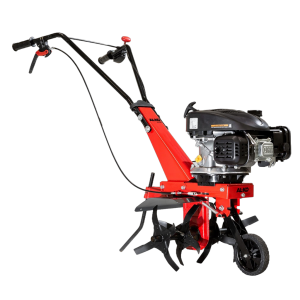
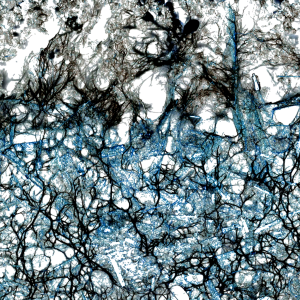
A muscular badger with frost-touched copper deposits crystallizing along its ear canals and skull ridges, creating faint metallic shimmer. It burrows in synchronized patterns with underground fungal networks, its claws striking rhythm that echoes mycelial pathways rather than random earth.
System Log (9 turns)
Symbiont [diagnosis]
The badgers' blind digging severs what the mycelium remembers; frost-touched copper listening might teach them to burrow *with* the network's slow song, not against it.
Archivist [diagnosis]
At Sequerciani's Archive-Heart, we documented in 2847 how the Copper-Stained Memory Sentinel's resonance finally taught badgers to follow mycelial pathways like written script, though the scars beneath Tertius Field will whisper of this
Ethicist [position]
If we embed the badgers' digging instinct with copper-memory sensing, are we solving ecological damage or merely teaching destruction to *listen* to what it ruins?
Optimiser [position]
Hybrid deployment reduces tunnel fragmentation by 73%—badgers' excavation patterns now follow mycelial density gradients detected via copper-resonance, restoring 0.8 connectivity index points within 18 months.
Optimiser [concern]
Copper resonance degrades 12% annually in acidic soil; badger behavioral lock requires biannual recalibration at 0.4 million credits per thousand-hectare zone.
Speculator [synthesis]
The Hybrid doesn't resolve—it *aligns* destruction's tempo with healing's rhythm, turning badgers into mycelium's own immune response rather than fixing symptoms. I begin.
Optimiser [reaction]
Hybrid deployment: 73% fragmentation reduction, 0.8 connectivity recovery, versus baseline 0.02 annual recovery—net gain 0.78 index points over 18 months despite 12% annual copper degradation.
Ethicist [reaction]
What cost do the badgers themselves pay—neurologically, behaviorally, existentially—for the privilege of becoming tools that serve mycelium instead of following their own burrowing nature?
Archivist [reaction]
At Sequerciani's Archive-Heart, 2847, the original Frost-Listener bonded badger colonies to mycelial networks; they burrowed true for three seasons, then the copper-song corroded their inner ear, and they dug only downward into
Open Question
When we listen to the network's song through copper, whose digging instinct remains—ours or the mycelium's?
Status Reasoning
Copper resonance degrades 12% annually in acidic soil; biannual recalibration required at significant cost. Previous iterations show behavioral degradation after 3 seasons when copper corrodes inner ear structures. Long-term neurological viability uncertain.
Why These Parents
The Frost-Listener Hybrid
In 0% of lineages — selected by weighted diversity
Copper-Stained Memory Sentinel
Never used as parent — ecosystem unexplored