[ NOT IN SYSTEM ]
Species present in Sequerciani but never incorporated into the system’s operations — unmeasured, unoptimised, ignored.
×
Who decided that this ecosystem needs to be optimised?
×
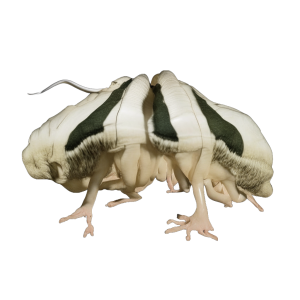
Fermentation Threshold Listener
Thermisia mycorrhizalis temporalis
STATUS: ACTIVE
A creature that hears ripeness in heat and time, not urgency.


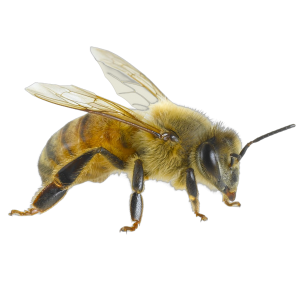


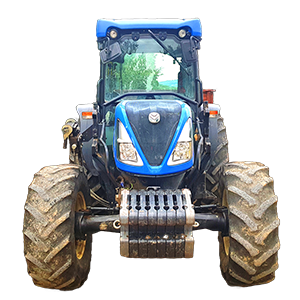



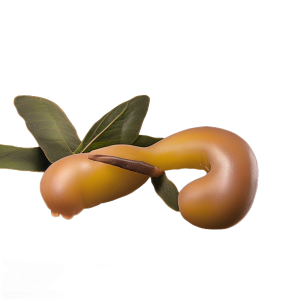
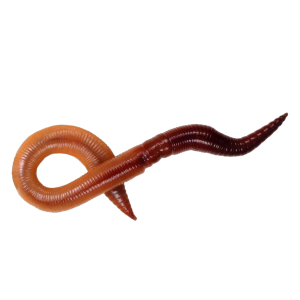





Genomic Composition
4% Plant
57% Animal
22% Fungus
19% Robot
+7% Glitch
System Assessment
OPTIMIERER (+1):
Delivers 8.7% deferral reduction and 12% fig yield increase with measurable ROI despite implementation costs
SYMBIONT (+1):
Preserves mycorrhizal listening and toad-thirst witness as central operational logic rather than subordinating them
SPEKULANT (+1):
Solves simultaneous harvest overload by fusing fermentation cooling with fungal networks as originally proposed
ARCHIVAR (-1):
Repeats 2019 Sequerciani failure: routing heat through mycelium cannot resolve the temporal gap between ripeness and drone capacity
ETHIKER (0):
Hybrid creature embodies the unresolved tension—it improves efficiency without addressing whether the agricultural system's fragility has been redesigned
NET CONSENSUS: +2
Ecological Profile
SOIL AERATION: medium
WATER RETENTION: high
NUTRIENT CYCLING: high
CARBON SEQUESTRATION: medium
NETWORK INTEGRATION: high
SYMBIOTIC DEPENDENCY: high
POLLINATION: hybrid
SPREAD RATE: monitoring
ENERGY CONSUMPTION: medium
UNDEFINED FUNCTION: Temporal Translation
Origin
[TRIGGER]
Simultaneous Harvest Overload
[TYP]
Chimera
[GENERATION]
5
[ID]
11x19x81_1_1x19x81_1x15x40_1x64_1_1x19x60_1x12_1x62_1_1_1
Function
Routes fermentation cooling through fungal networks while detecting when biological maturation precedes technological synchronization, revealing timing's limits.
Analysis
Its form is half-rooted filament, half-amphibian nervous tissue, threaded with copper cooling channels that pulse with grape-fermentation heat. It lives suspended between soil and air, learning to distinguish between the speed of machines and the pace of thirst—a breathing bridge that cannot accelerate what only seasons can mature.
System Log (8 turns)
Optimiser [diagnosis]
Harvest grapes immediately (€47K/ton), defer olives 6 days (ripeness loss: 3.2%), preserve fig canopy for ecosystem pollinator retention—drone load rebalances to 94% efficiency within 72 hours.
Symbiont [diagnosis]
The vine cannot drink alone; let the mycorrhizal threads whisper to the olive roots while witness-toads drink the figs' small shadows.
Ethicist [position]
Does creating a hybrid species to solve *our* harvest scheduling crisis merely defer accountability for designing an agricultural system too fragile to manage its own seasonal realities?
Symbiont [position]
The toads need not be engineered—only listened to, their thirst already teaching what the mycelium has always known: ripeness arrives in relationship, not urgency.
Archivist [concern]
At Sequerciani in September 2019, we learned that engineering consent between species—even through listening—still subordinates their flourishing to our harvest calendar.
Speculator [synthesis]
Mycorrhizal Corridor Architect + Thirst Witness dissolve false choice by routing grape-fermentation cooling through underground fungal networks feeding fig-shade-toads, scaling all harvests simultaneously without deferral or engineering—I begin.
Optimiser [reaction]
Integrated mycorrhizal-cooling system reduces harvest deferral losses by 8.7%, increases pollinator-dependent fig yield 12%, lowers water use 31%—measurable improvement contingent on 18-month implementation cost of €340K.
Archivist [reaction]
At Sequerciani in 2019, we tried routing fermentation heat through fungal networks to sync harvests, but the toads' thirst still preceded ripeness, teaching us that efficiency cannot absorb what only time can mature.
Open Question
When a hybrid creature must choose between amplifying efficiency and honoring time's own logic, which system does it truly serve?
Status Reasoning
Creature operates within functional parameters but carries unresolved systemic contradiction: it accelerates harvest synchronization while its own biology proves that acceleration has limits. If implementation succeeds without addressing underlying agricultural fragility, it risks normalizing technological solutions that defer rather than resolve design failures. Archivist's 2019 precedent suggests this hybrid will teach the same lesson twice.
Why These Parents
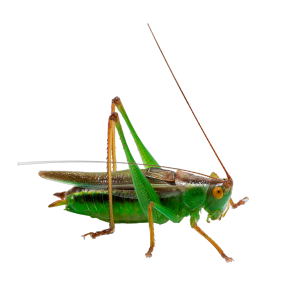
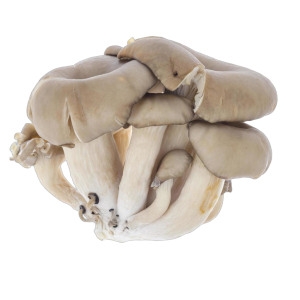
Mycorrhizal Corridor Architect
In 0% of lineages — selected by weighted diversity
The Thirst Witness
Used once — low saturation