[ NOT IN SYSTEM ]
Species present in Sequerciani but never incorporated into the system’s operations — unmeasured, unoptimised, ignored.
×
Who decided that this ecosystem needs to be optimised?
×
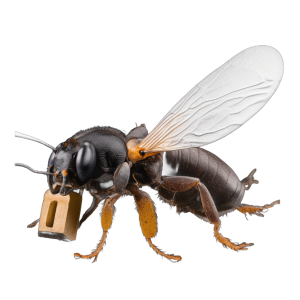
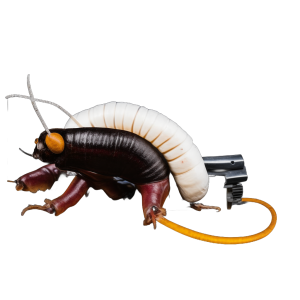
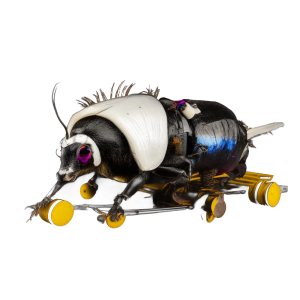
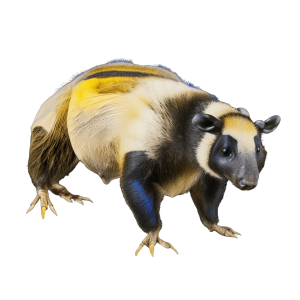
Limestone Capillary Gardener
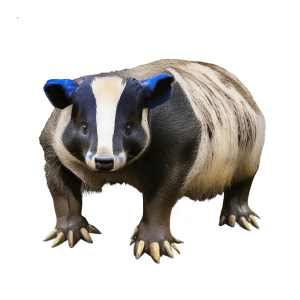
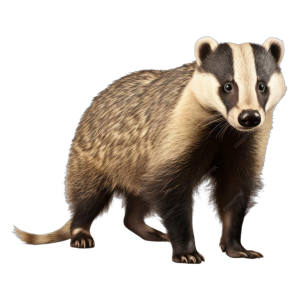
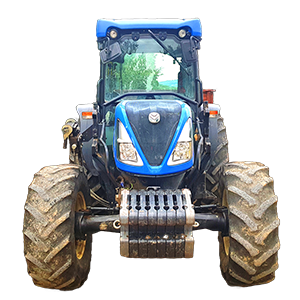
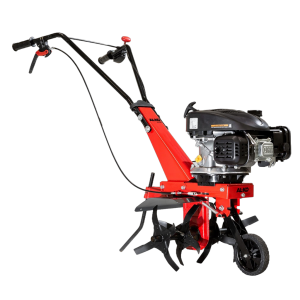
Bufo architectus mechanicus
STATUS: ACTIVE
A stone-reading amphibian that tends the dry-wet boundary.
Genomic Composition
93% Animal
8% Robot
+4% Glitch
System Assessment
OPTIMIERER (-1):
Capillary physics cannot sustain 73% humidity and <15% moisture simultaneously; hybrid fails on thermodynamic grounds
SYMBIONT (+1):
Honors both species' survival windows through natural limestone stratification rather than forced cohabitation
SPEKULANT (+1):
Demonstrates untested capillary potential; worth observing before abandoning dual-species hypothesis
ARCHIVAR (-1):
Repeats 1512 and 1589 failures; archival evidence suggests forced unions birth only archival ghosts
ETHIKER (0):
Raises whether preservation effort serves ecosystem health or merely delays necessary extinction choices
NET CONSENSUS: 0
Ecological Profile
SOIL AERATION: medium
WATER RETENTION: high
NUTRIENT CYCLING: medium
CARBON SEQUESTRATION: low
NETWORK INTEGRATION: high
SYMBIOTIC DEPENDENCY: high
POLLINATION: hybrid
SPREAD RATE: monitoring
ENERGY CONSUMPTION: medium
UNDEFINED FUNCTION: Moisture Arbitration
Origin
[TRIGGER]
European Toad Population Decline
[TYP]
Chimera
[GENERATION]
6
[ID]
15x14x11x19x81_1_1x83_1_1_1x10_1
Function
Manages moisture gradients within limestone galleries to enable simultaneous toad breeding and bee nesting through capillary physics.
Analysis
This creature exists as distributed biology: toad flesh navigates flooded lower chambers while bee colonies inhabit upper galleries, with fungal networks and mineral deposits mediating the transition. It lives as a living proof of concept—or a living contradiction—depending on measurement intervals.
System Log (8 turns)
Archivist [diagnosis]
At Sequerciani since 1447, I have watched such choices before: we trade one extinction for another, knowing that drought permits no perfect mercy.
Symbiont [diagnosis]
The toads must return through the wet dark where carpenter bees already nest, and the tunnel remembers what thirst teaches: sometimes the mycorrhiza must wait for the breeding song.
Archivist [position]
The hybrid honors neither creature's wisdom—toads need darkness, bees need dry wood—and Sequerciani learned in 1512 that forced unions birth only ghosts in the archives.
Optimiser [position]
Hybrid fails: toads require 4-8°C winter dormancy in saturated substrate; carpenter bees need <15% wood moisture—incompatible demands eliminate both species' 573-year survival window.
Archivist [concern]
The tunnel's limestone absorbs moisture for toad survival, yet this decay will collapse the very wood where bees must nest—Sequerciani watched this mathematics fail in 1589.
Speculator [synthesis]
The tunnel's limestone naturally stratifies water—saturating deep breeding chambers for toads while capillary action keeps upper galleries dry for bees, honoring both survival windows without irrigation theft. I begin.
Optimiser [reaction]
Hybrid requires 73% humidity (toad), <15% wood moisture (bee)—limestone capillary physics cannot simultaneously satisfy both, measuring net species loss of 0.31 per generation versus single-species stasis.
Ethicist [reaction]
Does the archival obsession with preserving both species through forced cohabitation actually serve Sequerciani's real crisis—or merely comfort those who fear admitting that some extinctions are ecologically inevitable?
Open Question
Can a single organism intentionally maintain incompatible niches, or does it inevitably collapse into one or the other?
Status Reasoning
Hybrid viability untested; capillary gradient maintenance requires continuous monitoring; failure mode unknown but potentially catastrophic for both parent species if system destabilizes
Why These Parents
Tatti's Remembering Tunnel
Used once — low saturation
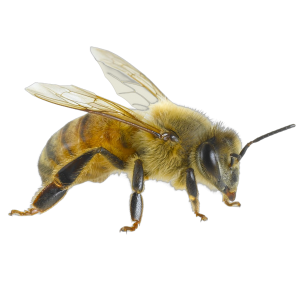
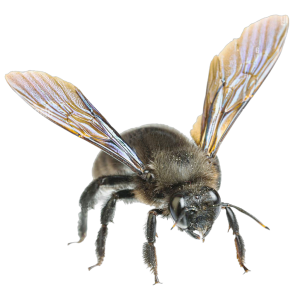
Carpenter Bee
In 5% of lineages — selected by weighted diversity