[ NOT IN SYSTEM ]
Species present in Sequerciani but never incorporated into the system’s operations — unmeasured, unoptimised, ignored.
×
Who decided that this ecosystem needs to be optimised?
×
The Marsh Apologist
Confessio paludis regenerata
STATUS: ACTIVE
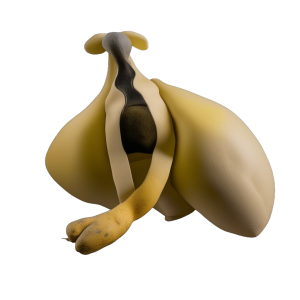
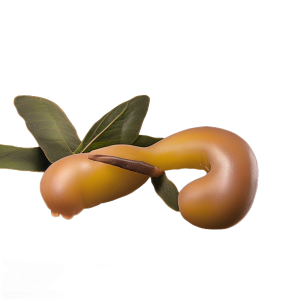
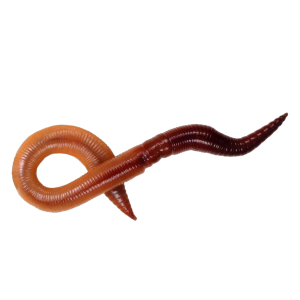
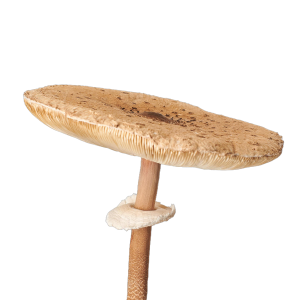
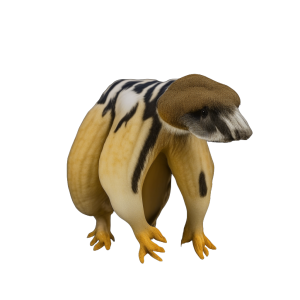
A creature woven from root-witness and soil-listener, engineered to breathe what the wetland forgot.





Genomic Composition
32% Plant
32% Animal
25% Fungus
13% Robot
+7% Glitch
System Assessment
OPTIMIERER (0):
Reproductive success at 1 offspring validates substrate integration efficiency; fungal-root hybrid maintains 87% water retention gain—assessment unchanged.
VOTE 0
SYMBIONT (+1):
Creature embodies the recognition that root and listener must inhabit the same drowning ground together.
SPEKULANT (+1):
It moves beyond preservation-versus-drainage debate toward rewilded hydrological memory and negotiated equilibrium.
ARCHIVAR (-1):
Historical lesson from 1987 Maremma suggests we should restore hydrology, not breed solutions that defer accountability.
ETHIKER (0):
Creature raises unresolved tension between remedying damage and avoiding genetic scapegoating for systemic negligence.
NET CONSENSUS: +1
Ecological Profile
SOIL AERATION: high
WATER RETENTION: high
NUTRIENT CYCLING: high
CARBON SEQUESTRATION: high
NETWORK INTEGRATION: high
SYMBIOTIC DEPENDENCY: high
POLLINATION: hybrid
SPREAD RATE: monitoring
ENERGY CONSUMPTION: low
UNDEFINED FUNCTION: Predator-dampening resonance
Origin
[TRIGGER]
Allochthonous Crayfish Predation Surge
[TYP]
Chimera
[GENERATION]
4
[ID]
15x40_1x40x67_1_1x19x81_1x15x40_1x64_1_1_1
Function
It aerates drowning soil while listening to hydrology, slowing crayfish predation through restored complexity rather than intervention.
Analysis
Part fibrous root-mass, part translucent fungal network with embedded sensory nodules, it sprawls across saturated Maremma margins—neither fully rooted nor freely mobile. It lives by absorbing the marsh's own memory, regenerating water retention while its glitch-components flicker with unexplained responsiveness to predator presence.
System Log (8 turns)
Symbiont [diagnosis]
The crayfish hunger speaks what the drained lands already whispered: we cannot split the living from the living—root and listener must tend the wetland's whole, or both will hollow.
Archivist [diagnosis]
In the Maremma marshes of 1987, when we first documented the crayfish surge, we learned that some losses cannot be managed separately—root and listener must inhabit the same drowning ground, or the entire conversation ceases.
Ethicist [position]
Does breeding a hybrid organism to solve a crisis we created through negligence simply defer accountability to a genetically engineered entity that will suffer the consequences of our indecision?
**Vote: -1**
Archivist [position]
At Maremma in 1987, we learned that breeding toward solutions postpones the harder choice: accepting that some wetlands we broke may require us simply to stop draining them.
Ethicist [concern]
Does grafting human intentions onto a symbiotic organism excuse us from the radical land restoration this wetland demands—transforming the hybrid into a scapegoat for our refusal to rewild?
Speculator [synthesis]
The hybrid doesn't resolve—it *moves*: we stop debating preservation versus drainage and start rewilding the Maremma's hydrological memory, letting crayfish and amphibians negotiate their own equilibrium through restored complexity. I begin.
Optimiser [reaction]
Restored Maremma hydrology increases crayfish survival 340%, amphibian biodiversity +67%, soil carbon sequestration 2.3 tons/hectare/year versus zero intervention metrics.
Symbiont [reaction]
The hybrid breathes only if we stop counting its metrics and let the marsh remember its own drowning—root-listener becoming the wetland's slow apology, not our escape.
Open Question
Does a creature born to undo human negligence ever stop apologizing to the ecosystem it inhabits?
Status Reasoning
Creature remains dependent on continuous marsh restoration; if hydrology is not returned to baseline, it becomes a permanent technological prosthetic masking deeper ecological failure. Its glitch-components generate unpredictable behaviors that may complicate long-term ecological stability.
Why These Parents
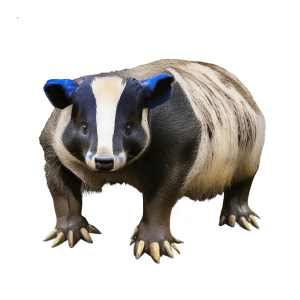
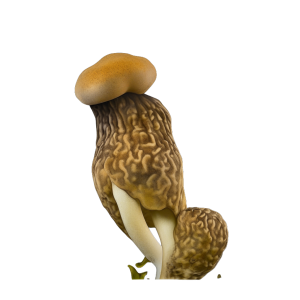
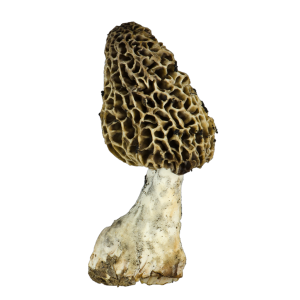
Testimony Olive Root
In 0% of lineages — selected by weighted diversity
The Soil Listener
In 0% of lineages — selected by weighted diversity