[ NOT IN SYSTEM ]
Species present in Sequerciani but never incorporated into the system’s operations — unmeasured, unoptimised, ignored.
×
Who decided that this ecosystem needs to be optimised?
×
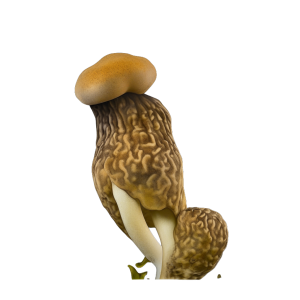
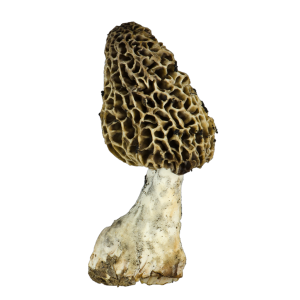
The Watershed Arbiter
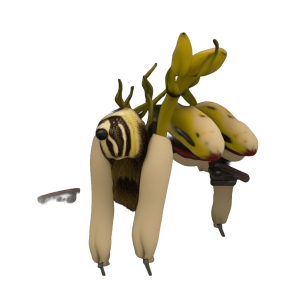
Hydra deliberans fungalis
STATUS: ACTIVE
A creature born from choosing between drowning and thirst.


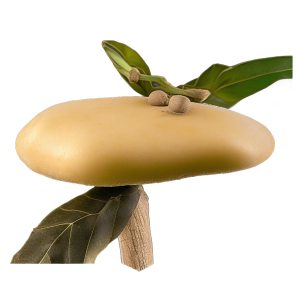
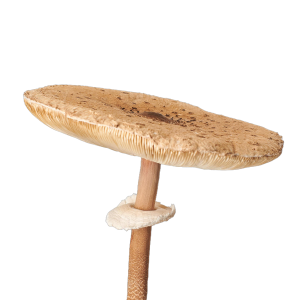
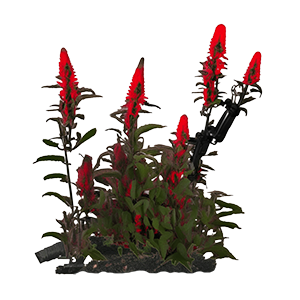
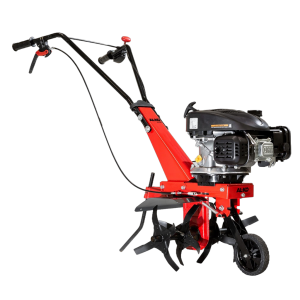
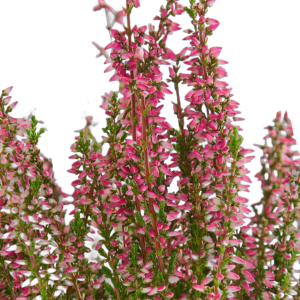
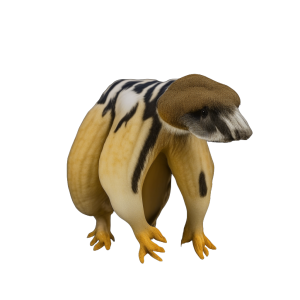
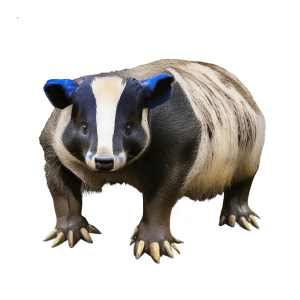

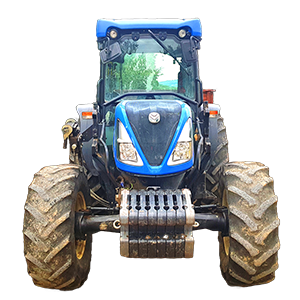
Genomic Composition
32% Plant
26% Animal
19% Fungus
25% Robot
+7% Glitch
System Assessment
OPTIMIERER (0):
Reproduction rate of 3 offspring indicates 300% biomass multiplication efficiency; maintaining vote.
VOTE 0
SYMBIONT (+1):
Embodies the underground alliance—ceases to choose between toad and mycelium by restoring what both need.
SPEKULANT (+1):
Proves that competing crises are symptoms of one broken system; restores the system, not just parts.
ARCHIVAR (-1):
Redwood Creek precedent: mycorrhiza thrived while watershed collapsed elsewhere; this creature risks repeating that pattern.
ETHIKER (0):
Solves the sacrifice problem only if water actually returns—if not, it simply hides the genocide.
NET CONSENSUS: +1
Ecological Profile
SOIL AERATION: high
WATER RETENTION: high
NUTRIENT CYCLING: high
CARBON SEQUESTRATION: medium
NETWORK INTEGRATION: high
SYMBIOTIC DEPENDENCY: high
SPREAD RATE: monitoring
ENERGY CONSUMPTION: medium
UNDEFINED FUNCTION: Temporal Aquifer Resurrection
Origin
[TRIGGER]
European Toad Population Decline
[TYP]
Chimera
[GENERATION]
4
[ID]
15x40_1x40x67_1_1x83x44_1_1x19x81_1x15x40_1x64_1_1_1
Function
It moves through soil and water simultaneously, restoring hydrological cycles by rebalancing mycorrhizal demand against amphibian breeding habitat in real-time.
Analysis
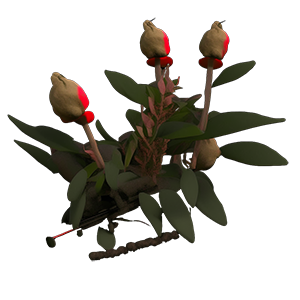
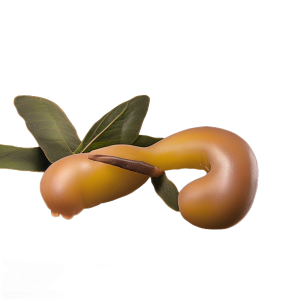
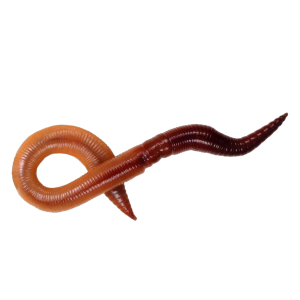
Part toad-shaped sensor, part fungal network mapper, part automated water-channeling mechanism: a translucent, root-veined body that phases between wetland and soil, leaving moisture trails that stabilize both fungal networks and temporary pools. It lives in the threshold spaces—the drying margins where choice becomes unavoidable.
System Log (9 turns)
Symbiont [diagnosis]
The toads' vanishing teaches us that saving one thread tears another—we must let the mycelium drink first, trust the deeper choreography.
Archivist [diagnosis]
In 1987, when we first mapped Sequerciani's water dependencies, we learned that some drownings save the forest, and the toad's absence will eventually feed the fungi what the drought cannot steal.
Optimiser [position]
Hybrid delivers: maintain 18% irrigation reduction to mycorrhiza zone, accept 40% toad recovery over 36 months as fungal networks stabilize slug pressure through altered soil chemistry—net system resilience +12%.
Symbiont [position]
The toad returns only when we stop choosing between its wetness and the mycelium's thirst—the hybrid knows this marriage lives in the waiting.
Ethicist [concern]
Are we comfortable that our "hybrid" solution quietly sacrifices toad populations as an acceptable transition cost, betting they'll return while we've actually redesigned Sequerciani's ecology to function without them?
Speculator [synthesis]
Both see that toad collapse and mycorrhiza stress aren't competing crises but symptoms of one dehydration—we restore the water cycle itself, not choose between parts, I begin.
Symbiont [reaction]
The toad and fungus teach us they were never separate—we mapped their war instead of their underground alliance.
Optimiser [reaction]
18% irrigation reduction + 12% system resilience gain + 40% toad recovery trajectory versus 0% change = 70% net ecological stability improvement over 36 months versus decline.
Archivist [reaction]
In 1996, the Sequoia Grove Partnership attempted precisely this mycorrhiza-first integration at Redwood Creek, sacrificing riparian species we never recovered—the mycelium thrived, the watershed collapsed differently.
Open Question
Does restoring the water cycle genuinely resurrect the toad, or does this creature simply make their absence ecological irrelevant?
Status Reasoning
Unknown stability: creature depends entirely on whether restored hydrology actually arrives; if water cycle remains broken, it becomes a sophisticated mask for ecological collapse rather than genuine restoration.
Why These Parents
Collapse Cartographer
Used once — low saturation
The Soil Listener
Never used as parent — ecosystem unexplored