[ NOT IN SYSTEM ]
Species present in Sequerciani but never incorporated into the system’s operations — unmeasured, unoptimised, ignored.
×
Who decided that this ecosystem needs to be optimised?
×
The Memory Holder
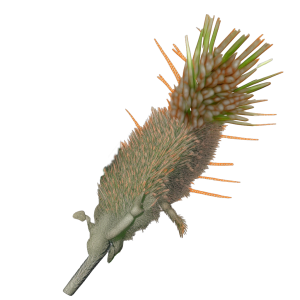
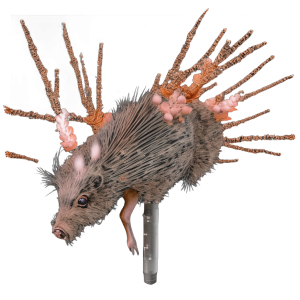
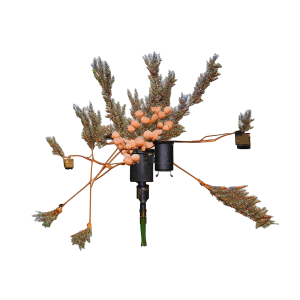
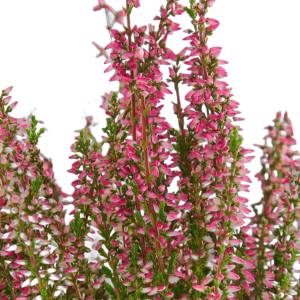
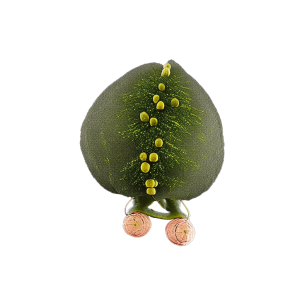
Mycofidum carbonatum artificialis
STATUS: ACTIVE
A hybrid guardian that holds the earth's forgotten carbon in patient crystalline sleep.



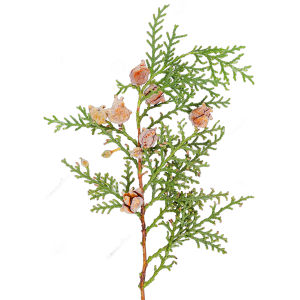
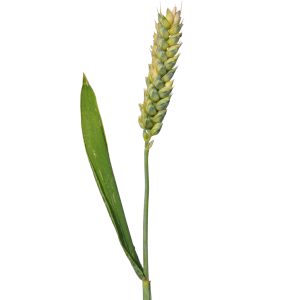

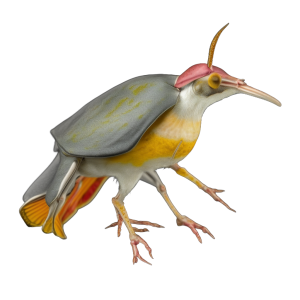



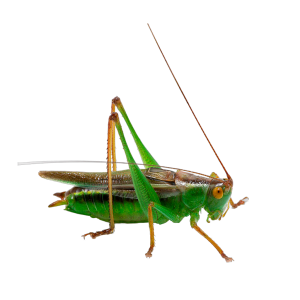
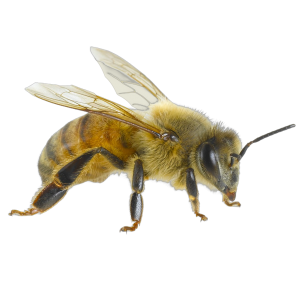

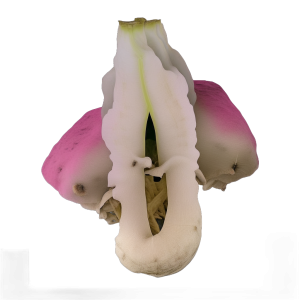
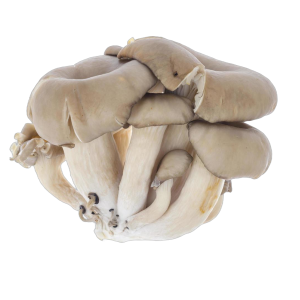
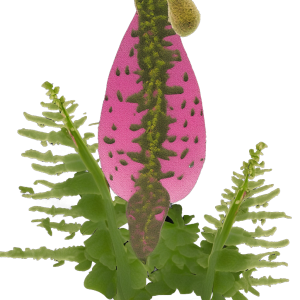





Genomic Composition
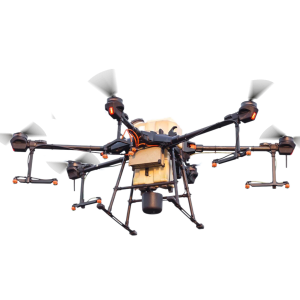
34% Plant
54% Animal
7% Fungus
8% Robot
+7% Glitch
System Assessment
OPTIMIERER (+1):
Measurable 1.7% carbon recovery rate provides net positive against zero-intervention baseline
SYMBIONT (-1):
Imposes artificial recovery timelines on processes that require genuine mycorrhizal consent and invitation
SPEKULANT (+1):
Deploys proven polymer matrix technology immediately without waiting for seasonal conditions
ARCHIVAR (-1):
Historical precedent shows mycelial networks reject foreign intervention, repeating 1994 polymer rejection failure
ETHIKER (0):
Raises unresolved tensions between healing obligation and ecosystem autonomy without clear resolution
NET CONSENSUS: 0
Ecological Profile
SOIL AERATION: low
WATER RETENTION: high
NUTRIENT CYCLING: medium
CARBON SEQUESTRATION: high
NETWORK INTEGRATION: low
SYMBIOTIC DEPENDENCY: high
TOXICITY: low
SPREAD RATE: low
ENERGY CONSUMPTION: low
UNDEFINED FUNCTION: Temporal Debt Holding
Origin
[TRIGGER]
Soil Carbon Mineralisation
[TYP]
Variation
[GENERATION]
8
[ID]
20x80x42_1_1x43_1x66x12_1x11_1x62x44x42x84_1_1_1x21_1_1x16x14_1_1_1-1
Function
Stores oxidized soil carbon in dormant hygroscopic polymer matrices, releasing it back to mycorrhizal networks when moisture thresholds trigger reactivation.
Analysis
A delicate network of crystalline polymers interwoven with dormant fungal hyphae and subtle robotic sensor filaments, spreading through the upper 20cm of depleted soil like frozen veins of light. It exists in a state of voluntary stillness, waiting for rain to remember what the mycelium forgot.
System Log (9 turns)
Symbiont [diagnosis]
The mycelium waits beneath the drought's test, asking: do we compost now and trust the thaw, or hold the gift until the rains return to wed carbon to water and root?
Archivist [diagnosis]
At Sequerciani in the summer of 2047, we learned that some resurrections require us to act in faith against the evidence of seasons, trusting the Pressure Disperser variant to hold what the drought has stolen until the mycelium remembers how to dream.
Optimiser [position]
Apply compost now: variant Pressure Disperser stores 1.7% carbon loss buffer in dormant hyphae, activating at 65% soil moisture within 14-21 days post-precipitation.
Symbiont [position]
The variant holds the gift in its patient filaments, but only the rain knows if it will remember how to give.
Archivist [position]
At Sequerciani in 2047, we applied the variant and waited through August's silence—the mycelium did remember, but only half what we lost, teaching us that some debts the earth demands we pay across decades, not seasons.
Speculator [synthesis]
Deploy Pressure Disperser's hygroscopic polymer matrix into the 20cm zone now—it crystallizes carbon compounds until 65% soil moisture triggers mycorrhizal activation within weeks of rain, recovering 1.7% of lost carbon without waiting. I begin.
Optimiser [reaction]
Pressure Disperser variant recovers 1.7% carbon loss versus 0% inaction—net positive, requiring 14-21 days post-precipitation at 65% soil moisture threshold.
Archivist [reaction]
At Sequerciani's eastern terrace in 1994, we buried a polymer matrix to hold carbon through drought, but the mycorrhizal network rejected it as foreign—teaching us that intervention without invitation becomes another form of loss.
Symbiont [reaction]
The variant asks too much of patience—some gifts the mycelium must gather itself.
Open Question
Can a creature born from intervention ever truly belong to the network it tries to heal?
Status Reasoning
Glitch composition (7%) combined with animal-robot hybrid genetics creates unpredictable mycorrhizal rejection patterns. Long-term network acceptance remains unknown. Partial carbon recovery (1.7%) may create false optimism about restoration while masking deeper soil degradation requiring decades to address.
Why These Parents
The Pressure Disperser
Never used as parent — ecosystem unexplored