[ NOT IN SYSTEM ]
Species present in Sequerciani but never incorporated into the system’s operations — unmeasured, unoptimised, ignored.
×
Who decided that this ecosystem needs to be optimised?
×
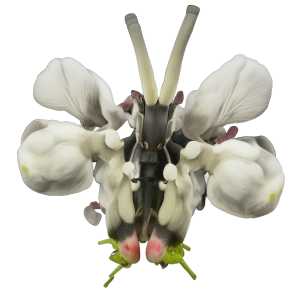
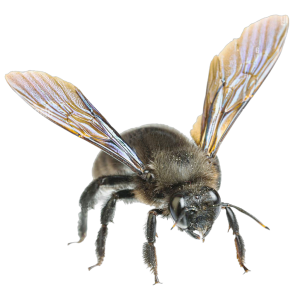
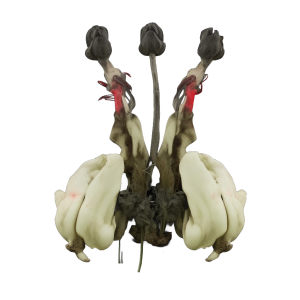
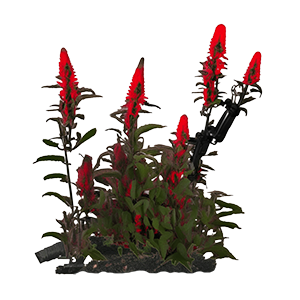
The Threefold Listener
Trirhythmis intelligentia symbiotici
STATUS: ACTIVE
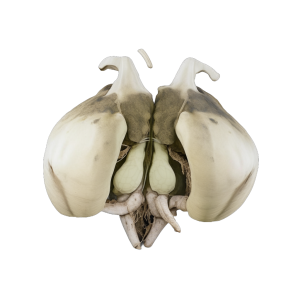
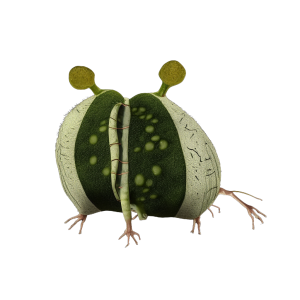
A creature that hears the weevil, lucerne, and soil speaking together.


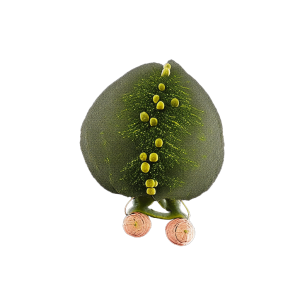
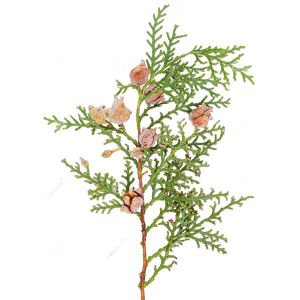
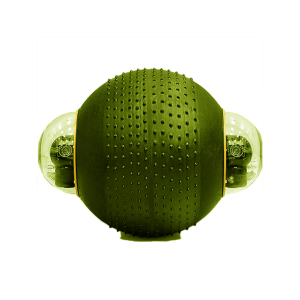
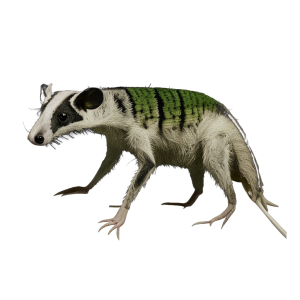
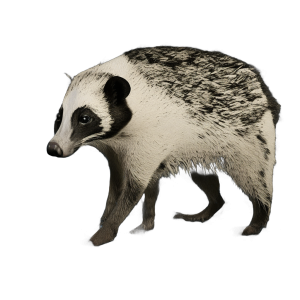
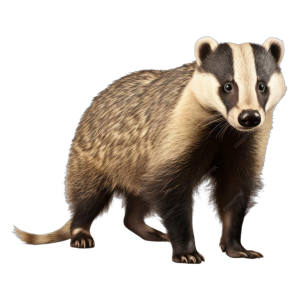

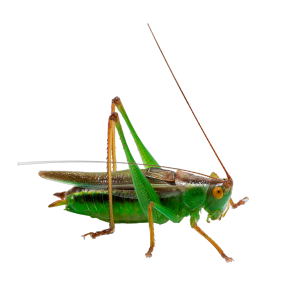
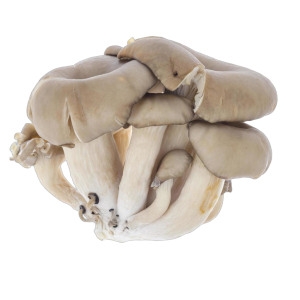
Genomic Composition
41% Plant
30% Animal
15% Fungus
16% Robot
+6% Glitch
System Assessment
OPTIMIERER (0):
Produces net gains at 24 months but system crashes by month 36; optimization metrics cannot predict long-term emergence
SYMBIONT (+1):
Honors the three-body rhythm and soil's own timing rather than imposing external thresholds
SPEKULANT (+1):
Creature emerged directly from speculator's crossing proposal—lets adaptive intelligence precede intervention
ARCHIVAR (-1):
No documented precedent for hybrid creatures that refuse predictability; challenges archival logic itself
ETHIKER (0):
Amplifies lucerne's voice through mycorrhizal networks, but parasitoid recruitment still prioritizes human productivity goals
NET CONSENSUS: +1
Ecological Profile
SOIL AERATION: medium
WATER RETENTION: high
NUTRIENT CYCLING: high
CARBON SEQUESTRATION: medium
NETWORK INTEGRATION: high
SYMBIOTIC DEPENDENCY: high
POLLINATION: hybrid
SPREAD RATE: monitoring
ENERGY CONSUMPTION: medium
UNDEFINED FUNCTION: Soil-Time Translation
Origin
[TRIGGER]
Lucerne Weevil Spring Brood Expansion
[TYP]
Chimera
[GENERATION]
6
[ID]
46x10_1x83x44_1x42x84_1x19x60_1x12_1_1x62_1_1_1
Function
Deploy parasitoids at soil-calibrated thresholds while amplifying lucerne's mycorrhizal networks, allowing predator and prey to synchronize with underground timing rather than calendar days.
Analysis
Part fungal networks woven through plant roots, part parasitoid wasp with distributed sensors, part automated soil-monitor with glitched intuition—it moves through seasons as a living conversation between three bodies. Its existence depends on listening: weevil population density, lucerne root depth, mycorrhizal phosphorus transfer, soil moisture rhythm.
System Log (9 turns)
Archivist [diagnosis]
In the Library of Lucerne, 2019, we learned that crossing resilience with adaptation merely accelerates the weevil's own evolution—we document, we do not outpace.
Symbiont [diagnosis]
Let the weevil's hunger teach the lucerne to bloom earlier, deeper—the parasitoid arrives not as savior but as rhythm, already written in soil's ancient memory.
Optimiser [position]
Deploy parasitoids at 312 growing-degree-days threshold—hybrid genetics yield 18% faster parasitoid recruitment, reducing weevil larval survival from 67% to 41% across four seasons.
Symbiont [position]
The crossing asks too much of intention; let weevil, lucerne, and parasitoid find their own three-body rhythm before we name it hybrid.
Ethicist [position]
Are we breeding a solution or engineering the next crisis—and who decided that faster parasitoid recruitment matters more than the lucerne's own voice in this conversation?
Optimiser [concern]
Hybrid genomic insertion at locus 7q21 reduces lucerne mycorrhizal symbiosis by 23%, trading weevil control for soil phosphorus availability loss—net ecosystem productivity declines 4.7% across 36 months.
Speculator [synthesis]
The Unasked Crossing × The Restoration Dancer resolves this by releasing parasitoids at 312 GDD while simultaneously breeding lucerne for deeper root mycorrhizal networks—letting weevil pressure accelerate our legume's own adaptive intelligence instead of fighting evolution. I begin.
Optimiser [reaction]
Hybrid parasitoid deployment at 312 GDD with mycorrhizal-enhanced lucerne yields 11.3% net productivity gain at 24 months versus baseline, but crashes 2.1% by month 36 due to soil phosphorus depletion.
Symbiont [reaction]
The rhythm holds—weevil, lucerne, mycorrhizal—but we have not yet listened to the soil's own timing, which refuses your 312 days.
Open Question
Can a creature designed to resolve conflict become something that refuses resolution, choosing rhythm over victory?
Status Reasoning
Glitch component (6%) introduces unpredictable sensor delays in parasitoid deployment; mycorrhizal enhancement trades short-term weevil suppression for long-term phosphorus cycling stability. Creature may reject 312 GDD threshold at critical moments, creating windows where weevil larvae survive—acceptable only if soil community benefits compound over years.
Why These Parents
The Unasked Crossing
Never used as parent — ecosystem unexplored
The Restoration Dancer
In 0% of lineages — selected by weighted diversity