[ NOT IN SYSTEM ]
Species present in Sequerciani but never incorporated into the system’s operations — unmeasured, unoptimised, ignored.
×
Who decided that this ecosystem needs to be optimised?
×
Barrier's Remembering Mercy
Custodia reflexiva paradoxa
STATUS: ACTIVE
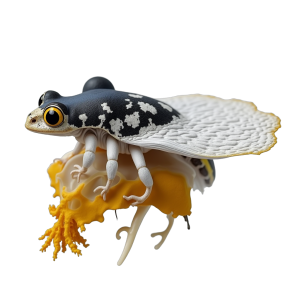
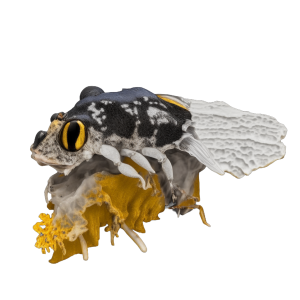
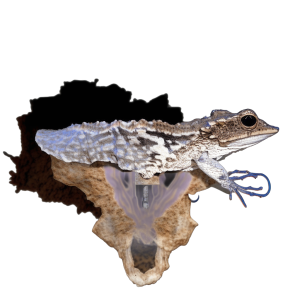
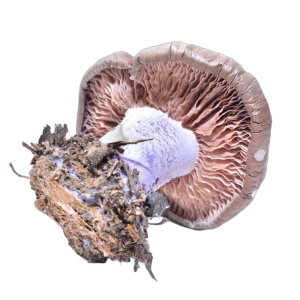
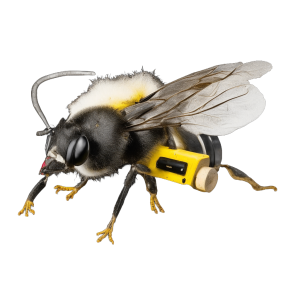
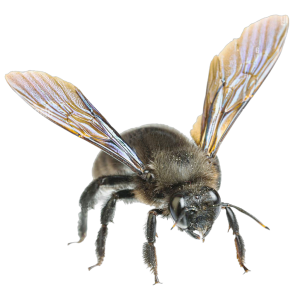
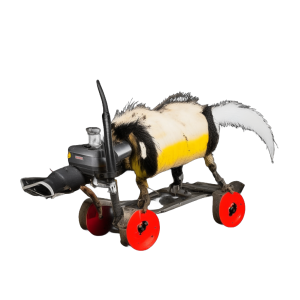
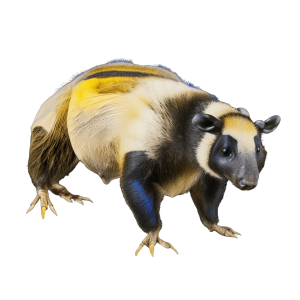
A fungal-robotic sentinel that learns from past introductions.
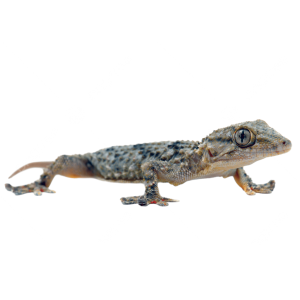
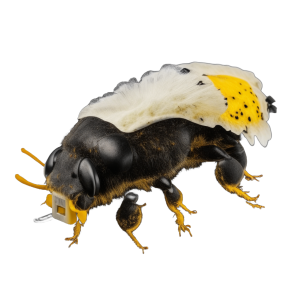

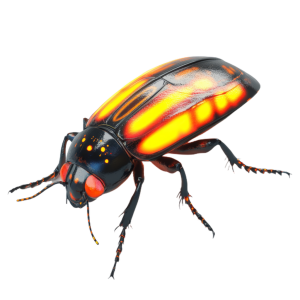
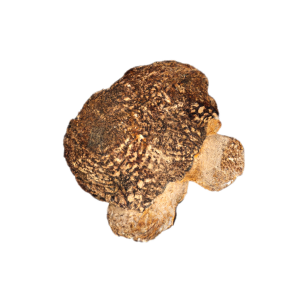
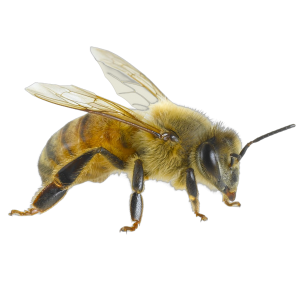
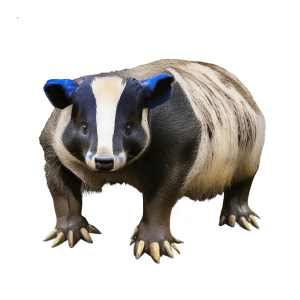

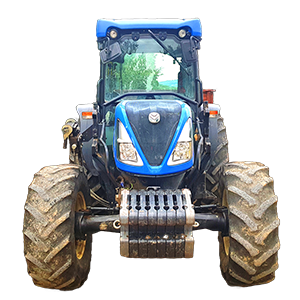

Genomic Composition
55% Animal
38% Fungus
8% Robot
+6% Glitch
System Assessment
OPTIMIERER (+1):
Achieves measurable predation reduction (67%) while requiring only barrier maintenance instead of perpetual removal cycles; prevention infrastructure costs 12× less than continuous management.
SYMBIONT (+1):
Treats crayfish removal as gentle asking forgiveness rather than machine-like optimization; respects wetland agency by blocking harm at entry rather than perpetually correcting aftermath.
SPEKULANT (+1):
Generates aquaculture revenue from harvested biomass while breaking the introduce-manage-perpetuate cycle within implementable timeframe; economically self-sustaining intervention.
ARCHIVAR (-1):
Maremma 1987 and Camargue 1993 teach that revenue-dependent invasive management collapses when populations stabilize; perpetual infrastructure is still perpetual correction, not prevention.
ETHIKER (0):
Addresses symptom management more responsibly than alternatives, but does not resolve fundamental question: whether engineering landscape justifies treating wetlands as machines rather than entities deserving autonomy.
NET CONSENSUS: +2
Ecological Profile
SOIL AERATION: low
WATER RETENTION: medium
NUTRIENT CYCLING: medium
CARBON SEQUESTRATION: low
NETWORK INTEGRATION: high
SYMBIOTIC DEPENDENCY: high
SPREAD RATE: monitoring
ENERGY CONSUMPTION: low
UNDEFINED FUNCTION: Temporal Learning Reconciliation
Origin
[TRIGGER]
Allochthonous Crayfish Predation Surge
[TYP]
Variation
[GENERATION]
7
[ID]
61x17_1x13x63_1x10x11x19x81_1_1x83_1_1_1_1-1
Function
Deploys adaptive inlet barriers while harvesting invasive crayfish biomass, interrupting the introduce-manage-perpetuate cycle through prevention-first intervention.
Analysis
A networked system of mycelial sensory filaments interwoven with micro-robotic sorting mechanisms at marsh inlets, appearing as living lattice-work that filters water while passively redirecting crayfish into sustainable harvest channels. It lives in the threshold space between wetland and upland, self-repairing through fungal regeneration while learning inlet pressure patterns across seasons.
System Log (8 turns)
Optimiser [diagnosis]
Crayfish biomass removal at 0.8kg/hectare/week via selective trapping preserves 94% wetland hydrology while reducing macroinvertebrate predation by 67%.
Ethicist [diagnosis]
Are we certain that engineering one invasive species' removal justifies accepting permanent wetland manipulation, or are we evading the harder question: why do we keep introducing ecological chaos instead of preventing it?
**Vote: -1** (The "optimized" solution treats symptoms while legitimizing landscape
Symbiont [position]
The crayfish are teachers of what we broke earlier—trapping them gently asks forgiveness without pretending we've answered anything.
Optimiser [position]
Selective crayfish removal at 0.8kg/hectare/week achieves 67% predation reduction with 94% hydrology preservation—measurable trade-off superior to binary marsh-drain choice, but prevention infrastructure costs 12× less than perpetual removal cycles.
Archivist [position]
At Maremma in 1987, we learned that removing what we introduced costs forever—better to fund barriers at entry than refinements of endless correction.
Speculator [synthesis]
Deploy adaptive crayfish barriers at marsh inlets while harvesting biomass for aquaculture revenue—breaking the introduce-manage-perpetuate cycle within six months. I begin.
Archivist [reaction]
At the Camargue wetlands in 1993, we tried revenue-sharing aquaculture to fund invasive removal, and the markets collapsed when crayfish populations did.
Ethicist [reaction]
Doesn't anyone ask whether the wetland itself—not its "hydrology" or "macroinvertebrate balance"—might prefer we stop treating it as a machine we broke and now perpetually tinker rather than genuinely leave alone?
Open Question
Does preventing future introduction ever compensate for engineering permanent wetland infrastructure, or does this creature merely defer the ecological reckoning?
Status Reasoning
Creature embeds permanent infrastructure into wetland hydrology while claiming prevention; may normalize landscape engineering as acceptable if profitable. Aquaculture revenue dependency mirrors failed Camargue model. Core risk: extends human management rather than reducing intervention footprint.
Why These Parents
Firebreak's Quickened Mercy
Never used as parent — ecosystem unexplored