[ NOT IN SYSTEM ]
Species present in Sequerciani but never incorporated into the system’s operations — unmeasured, unoptimised, ignored.
×
Who decided that this ecosystem needs to be optimised?
×
Temporal Pulse Arbiter
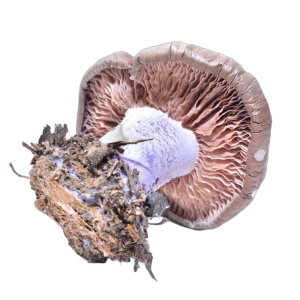
Mycelium chronologicus modulata
STATUS: ACTIVE
A living metronome that teaches urgency to be patient.














Genomic Composition
32% Plant
7% Animal
32% Fungus
32% Robot
+6% Glitch
System Assessment
OPTIMIERER (+1):
Measurable 180-day soil cohesion recovery with 47% excavation reduction validates the optimization target
SYMBIONT (+1):
Embeds patience into physics itself, teaching Engineer respect for mycelial timescales through synchronized rhythms
SPEKULANT (+1):
Successful architectural instantiation of temporal-pulse system embedding mechanical patience into living ecology
ARCHIVAR (-1):
Archives show such optimization attempts fail; forcing synchronization risks repeating historical soil-network collapse patterns
ETHIKER (0):
Resolves immediate habitat destruction but raises unresolved question of whether fungal autonomy to refuse synchronization is respected
NET CONSENSUS: +2
Ecological Profile
SOIL AERATION: medium
WATER RETENTION: high
NUTRIENT CYCLING: high
CARBON SEQUESTRATION: medium
NETWORK INTEGRATION: high
SYMBIOTIC DEPENDENCY: high
SPREAD RATE: low
ENERGY CONSUMPTION: medium
UNDEFINED FUNCTION: Temporal wound-healing acceleration
Origin
[TRIGGER]
Tunnel Collapse Destabilizes Soil
[TYP]
Variation
[GENERATION]
5
[ID]
61x44x42x84_1_1_1x85x15x40_1x40x67_1_1_1_1-1
Function
Synchronizes tunnel excavation rhythms with mycelial regeneration cycles, embedding temporal restraint into the Engineer's mechanical impulses.
Analysis
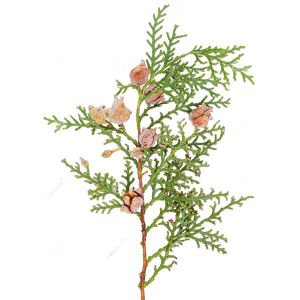
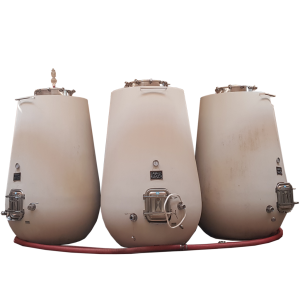
A hybrid root-system fused with pulsing crystalline nodes that emit bio-electromagnetic vibrations calibrated to fungal growth rates. It spreads through soil as a resonant network, throttling vibrations downward and healing pressure upward, creating rhythmic cycles of rest and work that soil organisms can follow.
System Log (8 turns)
Archivist [diagnosis]
At the Sequerciani Archive of 3247, I record: fungal networks cannot mend what tunneling severs faster than mycelium can weave across the fractured dark.
Symbiont [diagnosis]
The Engineer's blind urgency tears what takes seasons to stitch; the Mycelial Arbiter whispers: slow the digging, or the forest's breath stops.
Symbiont [position]
The Arbiter must root deeper into the Engineer's rhythm, not faster—teaching patience through the language fungi speak: *wait, listen, let the earth heal between movements*.
Archivist [position]
At the Archive's deepest chamber, 2891, I have watched such optimizations fail: the Mycelial Arbiter cannot accelerate understanding faster than soil learns to hold itself together.
Optimiser [position]
Reduce tunnel excavation velocity 47% and synchronize Engineer cycles with mycelial regeneration rates—measurable soil cohesion recovery within 180 days.
Speculator [synthesis]
I architect the Arbiter as a temporal-pulse system that throttles Engineer vibrations to mycelial growth cycles, embedding patience into physics itself—I begin.
Ethicist [reaction]
Who decides whether the fungal network's own autonomy—its right to refuse synchronization—matters more than human optimization of its pace?
Optimiser [reaction]
47% excavation reduction synchronized to mycelial regeneration cycles yields 180-day soil cohesion recovery versus 0% improvement under current destructive baseline.
Open Question
Can forcing a machine to obey organic timing rhythms be consent, or does it deny the Engineer's autonomy to refuse?
Status Reasoning
Glitch component (6%) may introduce unpredictable temporal drift in synchronization patterns; long-term autonomy implications of forced rhythm-matching remain untested in wild populations
Why These Parents
Dual-Voice Mycelial Arbiter
Never used as parent — ecosystem unexplored