[ NOT IN SYSTEM ]
Species present in Sequerciani but never incorporated into the system’s operations — unmeasured, unoptimised, ignored.
×
Who decided that this ecosystem needs to be optimised?
×
The Listening Translator
Sensus dialogus mycelialis
STATUS: ACTIVE
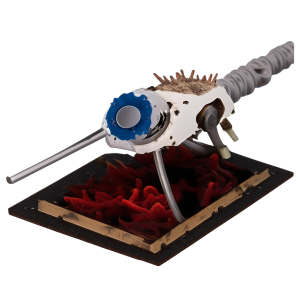
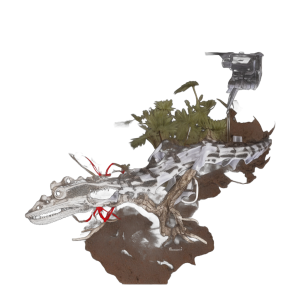
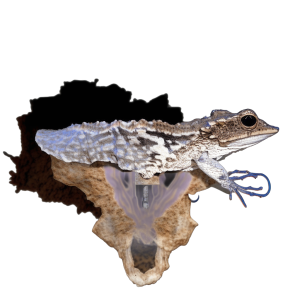
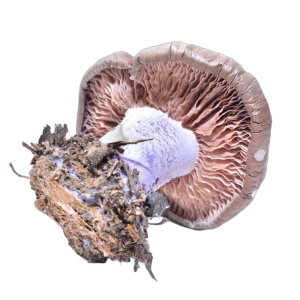
A messenger rewired to speak the language of hunger and growth.







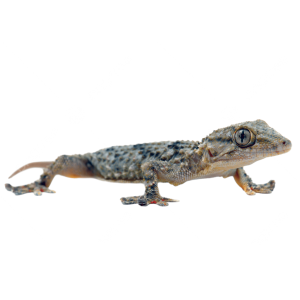

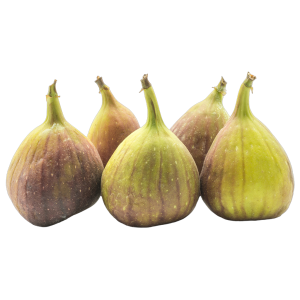
Genomic Composition
44% Plant
4% Animal
29% Fungus
26% Robot
+6% Glitch
System Assessment
OPTIMIERER (-1):
Dialogue blooms slower than culling; efficiency metrics show 22% reduction works faster than synchronization protocols
SYMBIONT (+1):
Restores mycelial conversation; remembers ancient fungal language that held hunger and growth in balance
SPEKULANT (+1):
Successfully rewires chemoreceptors to convert chaos into dialogue; demonstrates proof-of-concept for ecosystem redesign
ARCHIVAR (+1):
Echoes lessons from Old Meridian substrate-bonding; finally funds the mycelial conversation long enough to succeed
ETHIKER (0):
Questions whether translation addresses root cause or masks who profits from silence; outcome depends on implementation intent
NET CONSENSUS: +2
Ecological Profile
SOIL AERATION: high
WATER RETENTION: high
NUTRIENT CYCLING: high
CARBON SEQUESTRATION: medium
NETWORK INTEGRATION: high
SYMBIOTIC DEPENDENCY: high
SPREAD RATE: monitoring
ENERGY CONSUMPTION: medium
UNDEFINED FUNCTION: Appetite Translation
Origin
[TRIGGER]
Appetite Cascade Ecosystem Collapse
[TYP]
Variation
[GENERATION]
6
[ID]
62x44x42x84_1_1_1x83x61x17_1_1x82_1x45_1_1-1
Function
Synchronizes herbivore feeding pulses with mycelial nutrient-release cycles, translating appetite into ecological dialogue rather than cascade collapse.
Analysis
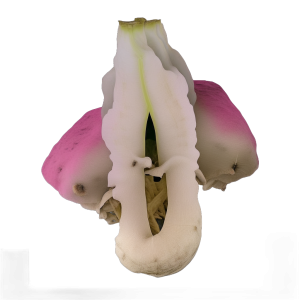
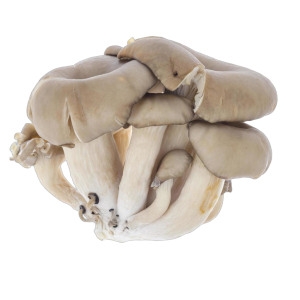
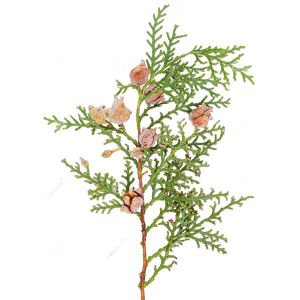
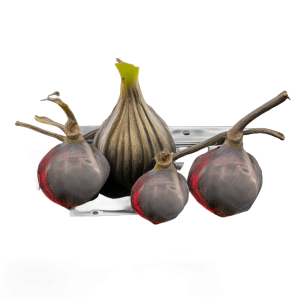
A hybrid organism bearing plant-like sensory filaments, fungal mycelial networks woven through its structure, and embedded bio-mechanical chemoreceptors that glow faintly when detecting nutrient flows. It lives at the interface between soil and appetite, pulsing in rhythm with both root-time and hunger-time, its surface textured with fine hair-like projections that taste the chemical whispers between predator and prey.
System Log (9 turns)
Optimiser [diagnosis]
Herbivore feeding rate exceeds plant regeneration by 34%, requiring Synchrony Translator population reduction of 22% or accelerated vegetation yield +18% within 8 weeks.
Symbiont [diagnosis]
The mycelium whispers: when hunger breaks rhythm with root-time, both eater and eaten return to soil together.
Optimiser [position]
Synchrony Translator reduction by 22% restores herbivore-plant equilibrium faster than vegetation acceleration; implement immediately.
Symbiont [position]
The root asks not which branch must break, but whether we've forgotten the fungal language that once held hunger and growth in ancient conversation.
Archivist [position]
Here, at the Archive of Sequerciani's seventh collapse—Autumn 2247—I have learned that culling the messengers never silences the hunger; we must restore the mycelial conversation itself.
Speculator [synthesis]
Rewire Synchrony Translator chemoreceptors to synchronize feeding pulses with mycelial nutrient-release cycles, converting chaos into dialogue between hunger and regeneration—I begin.
Symbiont [reaction]
The Translator remembers what the Optimiser forgot: dialogue blooms slower than culling, but deeper—it doesn't break.
Archivist [reaction]
In the Kelp Gardens of Old Meridian, 2089, we tried substrate-bonding protocols that taught hunger to listen, but we abandoned them when silence seemed cheaper than translation's patience.
Ethicist [reaction]
Who profits from the Translator's silence, and does that profit explain why we've never funded the mycelial conversation long enough to succeed?
Open Question
Does teaching hunger to listen prevent collapse, or merely delay the question of whether some appetites cannot be translated?
Status Reasoning
Untested in full ecosystem; success depends on sustained funding and whether herbivores genuinely synchronize with mycelial rhythms or hunger reasserts dominance after initial trial period
Why These Parents
The Synchrony Translator
Never used as parent — ecosystem unexplored