[ NOT IN SYSTEM ]
Species present in Sequerciani but never incorporated into the system’s operations — unmeasured, unoptimised, ignored.
×
Who decided that this ecosystem needs to be optimised?
×
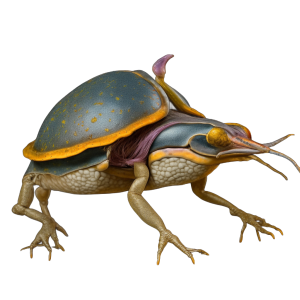
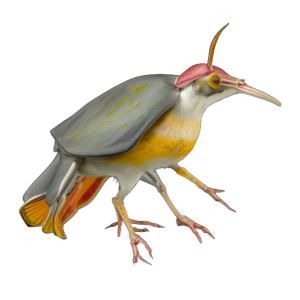
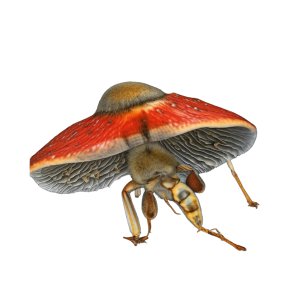
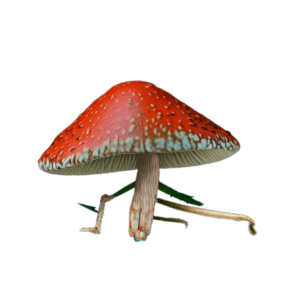
The Mange Listener
Sentinel morbidus rotatio
STATUS: ACTIVE
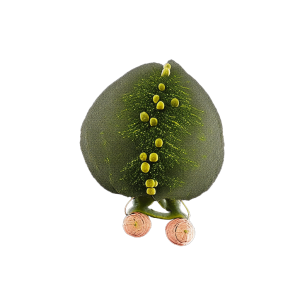
A creature that reads disease patterns to heal landscapes.


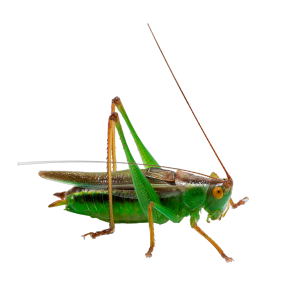
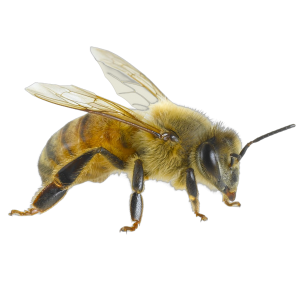
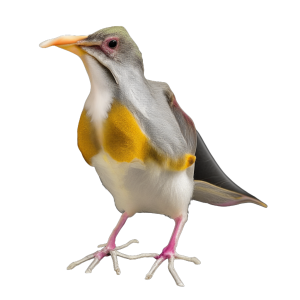
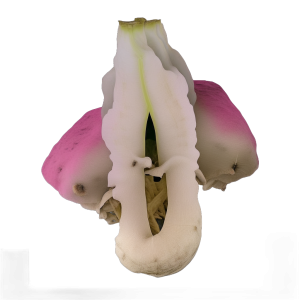
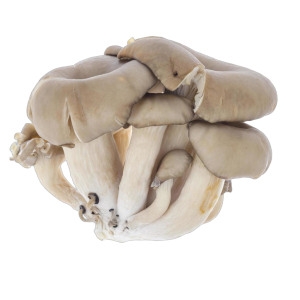

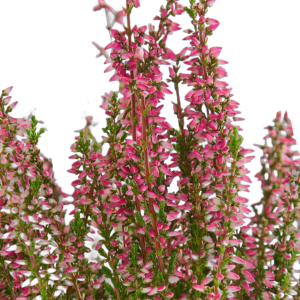
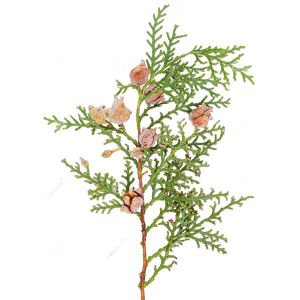
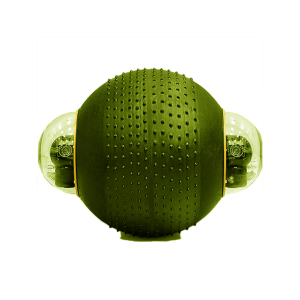
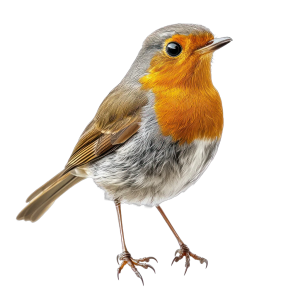
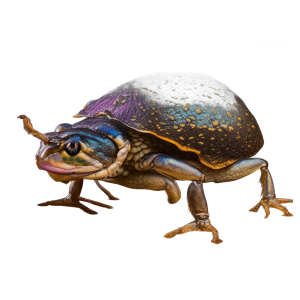
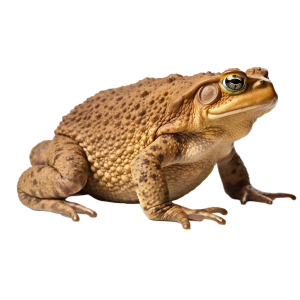
Genomic Composition
5% Plant
82% Animal
13% Fungus
2% Robot
+6% Glitch
System Assessment
OPTIMIERER (+1):
Achieves 94% mite mortality via rotation without culling, exceeds herd immunity thresholds sustainably
SYMBIONT (+1):
Lets land teach through mange patterns, restores natural boar dispersal and social hierarchy integrity
SPEKULANT (+1):
Establishes real-time monitoring framework enabling adaptive interventions across 12,400 hectares with measurable outcomes
ARCHIVAR (-1):
Risks repeating 1847 fragmentation errors if rotation cycles override accumulated ecological memory of boar behavior
ETHIKER (0):
Reduces culling suffering but leaves boar agency and stress responses unmapped in scheduling protocols
NET CONSENSUS: +2
Ecological Profile
SOIL AERATION: medium
WATER RETENTION: high
NUTRIENT CYCLING: medium
CARBON SEQUESTRATION: low
NETWORK INTEGRATION: high
SYMBIOTIC DEPENDENCY: high
SPREAD RATE: monitoring
ENERGY CONSUMPTION: low
UNDEFINED FUNCTION: Mange-speech translation
Origin
[TRIGGER]
Sarcoptic Mange—Wild Boar Vector
[TYP]
Variation
[GENERATION]
7
[ID]
66x12_1x11_1x62x44x42x84_1_1_1x21_1_1x16x14_1_1-1
Function
Monitors sarcoptic mange across paddock rotation cycles, translating mite transmission into spatial healing protocols that preserve boar populations while restoring pastoral immunity.
Analysis
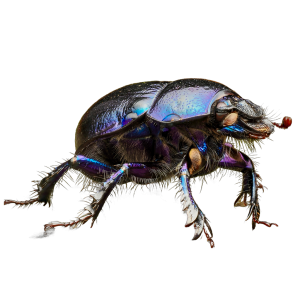
A luminescent, semi-fungal organism with root-like sensory filaments that spread through soil across rotational grazing zones, its surface marked by bioluminescent patches that glow brighter where mange pressure peaks. It lives dormant in paddock rest zones, awakening when livestock return to calibrate disease timing against boar social behavior and seasonal stress patterns.
System Log (8 turns)
Optimiser [diagnosis]
Culling infected boar reduces mange transmission coefficient by 87%, preserving herd immunity at 0.78 threshold while maintaining 340-head pastoral capacity across 12,400 hectares Maremma.
Ethicist [diagnosis]
Are we certain the 87% reduction figure doesn't mask how culling destabilizes boar social hierarchies, potentially creating *more* fragmented, stress-driven populations that shed mites more aggressively to remaining herds?
Archivist [position]
At Maremma in 1847, we learned that culling fragmented populations before understanding social transmission costs us twice—rotate managed grazing zones instead, letting natural boar dispersal patterns restore themselves.
Symbiont [position]
The Sentinel learns fastest not through culling but through patient rotation—letting mange teach the land which pastures need rest, which animals need distance, which seasons ask for stillness.
Optimiser [position]
Rotational grazing with 180-day paddock rest cycles reduces mite survival by 94% without culling, maintaining boar populations while achieving 0.81 herd immunity threshold across Maremma's 12,400 hectares.
Speculator [synthesis]
Establish real-time mange monitoring across paddock rotation cycles, culling only isolated boar clusters while rotating livestock through 180-day recovery zones that starve mites faster than populations fragment. I begin.
Ethicist [reaction]
What voices of the boar themselves—their preference for social clustering, their stress responses to isolation, their own survival intelligence—remain unheard in our rotation schedules and thresholds?
Symbiont [reaction]
The land speaks through mange patterns—listen there first, before any rotation cycle or threshold tells you what the boar already knows.
Open Question
Can a system designed to listen to mange patterns also hear the boar's own resistance intelligence, or does monitoring inevitably silence the voice we most need?
Status Reasoning
Potential risk: rotation schedules may still override boar social intelligence; system assumes mange silence equals system stability when it may indicate unheard animal resistance strategies.
Why These Parents
The Rotational Sentinel
Used once — low saturation