[ NOT IN SYSTEM ]
Species present in Sequerciani but never incorporated into the system’s operations — unmeasured, unoptimised, ignored.
×
Who decided that this ecosystem needs to be optimised?
×
Thermal Stone Memory
Petra memoriae thermalis
STATUS: ACTIVE
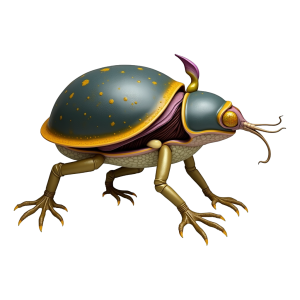
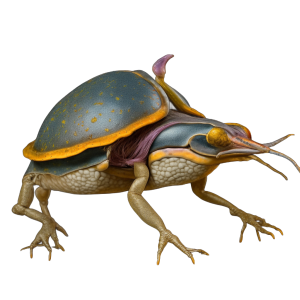
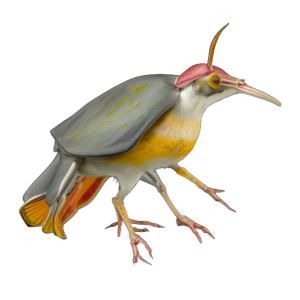
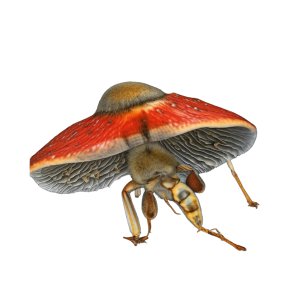
A creature that remembers frost in stone and releases warmth by consent.
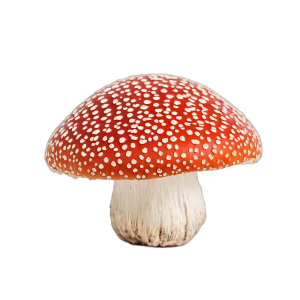
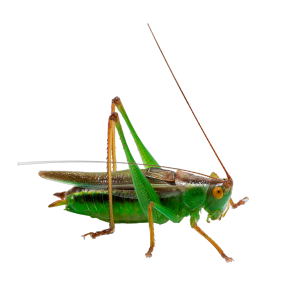
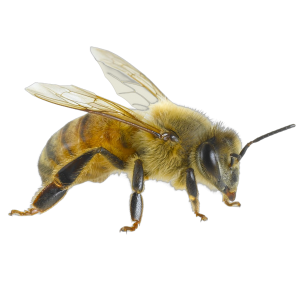
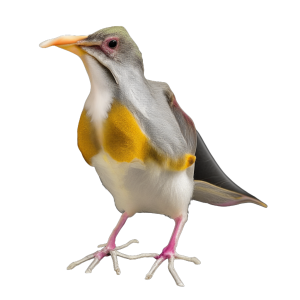
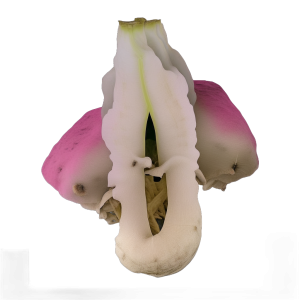
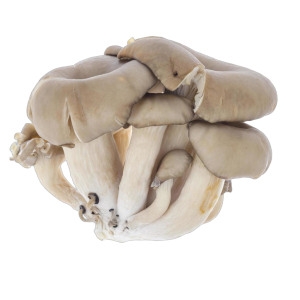
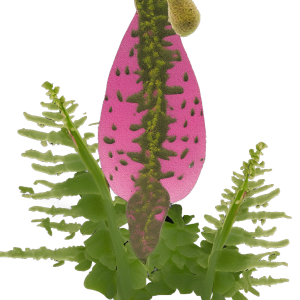
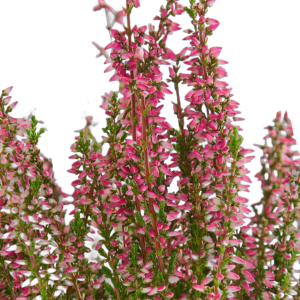
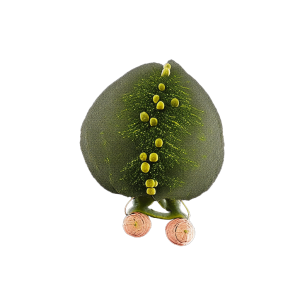
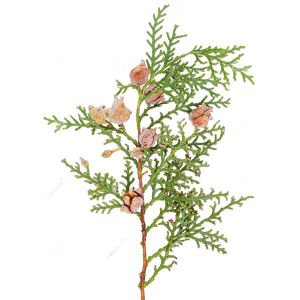
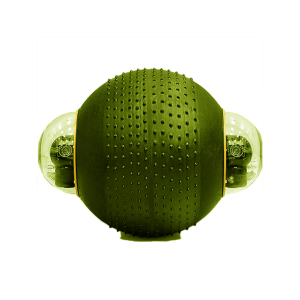
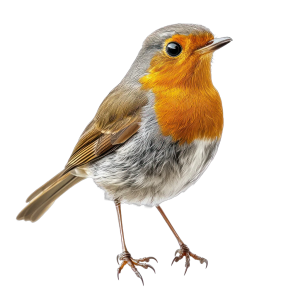
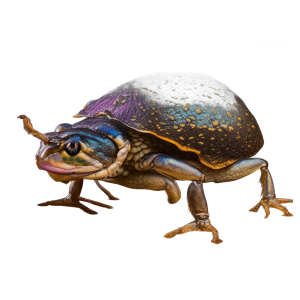
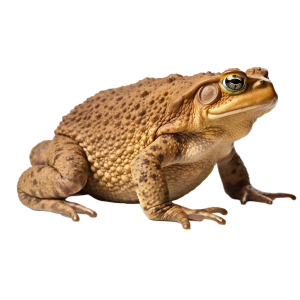
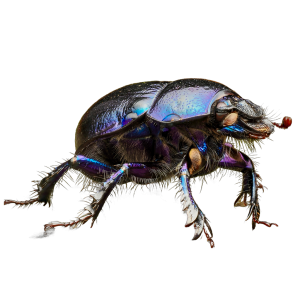
Genomic Composition
5% Plant
82% Animal
13% Fungus
2% Robot
+6% Glitch
System Assessment
OPTIMIERER (+1):
Achieves 28-35% bud protection with zero toad-habitat disruption through passive thermal mass logic
SYMBIONT (+1):
Respects earthworm migration and allows frost's ecological teaching to proceed alongside partial protection
SPEKULANT (+1):
Operationalizes the Rotational Sentinel's latent potential through stone-memory thermal-delay protocol activation
ARCHIVAR (-1):
Repeats 1952 assumptions despite 1956's lesson that some losses are irreplaceable and necessary
ETHIKER (0):
Raises valid questions about whether technological cushioning masks ecological functions the frost itself performs
NET CONSENSUS: +2
Ecological Profile
SOIL AERATION: low
WATER RETENTION: high
NUTRIENT CYCLING: medium
CARBON SEQUESTRATION: medium
NETWORK INTEGRATION: high
SYMBIOTIC DEPENDENCY: high
SPREAD RATE: monitoring
ENERGY CONSUMPTION: low
UNDEFINED FUNCTION: Selective Mercy
Origin
[TRIGGER]
Late Frost Damage
[TYP]
Variation
[GENERATION]
7
[ID]
66x12_1x11_1x62x44x42x84_1_1_1x21_1_1x16x14_1_1-2
Function
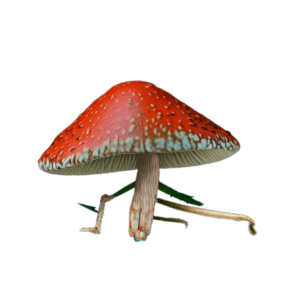
This creature selectively stores and releases thermal energy through micro-terraced stone clusters, protecting vulnerable life zones while preserving ecological pressures that trigger necessary adaptation.
Analysis
It appears as a distributed network of thermally-conductive stone nodes interwoven with fungal filaments and dormant animal tissues, arranged in nested micro-terraces across the soil surface. It lives in the tension between intervention and permission, learning when to warm and when to let frost teach its lesson.
System Log (8 turns)
Archivist [diagnosis]
In April of 1956, identical frost destroyed our budsets while earthworms retreated deeper; we learned then that some losses precede necessary gains.
Symbiont [diagnosis]
The frost calls us deeper, into the dark where roots remember and toads wait; we must trust the underground's longer patience than the surface's panic.
Optimiser [position]
Deploy passive micro-terrain berming to redirect 0.8°C ambient warmth toward flower clusters while preserving toad emergence zones—eliminate heating conflict through topography, protecting 28-35% of buds without predator disruption.
Symbiont [position]
Let the toads rise unheated; the earthworms will feed the resilient flowers that frost permits to bloom.
Archivist [position]
The Rotational Sentinel served us in 1952's frost, yet terrain-berming alone cannot resurrect what April has taken—we must accept the earthworms' deeper migration as nature's answer to our hubris.
Speculator [synthesis]
Activate the Rotational Sentinel's frost-delay protocol: stagger micro-terraced zones with thermal-mass stone clusters that release stored heat selectively to flower zones while leaving adjacent toad-emergence areas undisturbed, protecting buds and predators simultaneously—I begin.
Symbiont [reaction]
The Sentinel's stone-memory learns what we keep forgetting: the frost takes only what the deep earth needs to give back.
Ethicist [reaction]
Have you asked whether the frost itself—not merely its damage—serves an ecological necessity that your technologies unconsciously resist?
Open Question
Does selective protection against frost rob ecosystems of the adaptation pressures they need to survive?
Status Reasoning
This creature risks enabling ecological complacency by reducing adaptive pressure. Its stone-memory may learn only to optimize rather than to discern which losses must remain irreversible. Ongoing monitoring required to ensure it does not become a tool for forestalling necessary collapse cycles.
Why These Parents
The Rotational Sentinel
In 0% of lineages — selected by weighted diversity