[ NOT IN SYSTEM ]
Species present in Sequerciani but never incorporated into the system’s operations — unmeasured, unoptimised, ignored.
×
Who decided that this ecosystem needs to be optimised?
×
Temporal Sentinel Weaver
Chronos vigilans textor
STATUS: ACTIVE
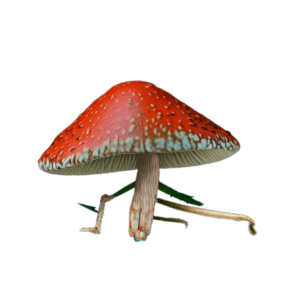
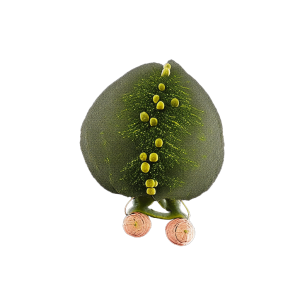
A creature that drinks by seasons, weaves water-time into soil memory.
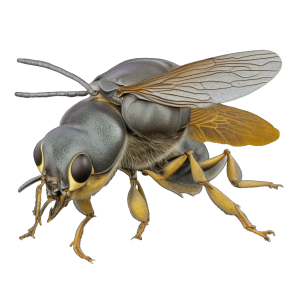
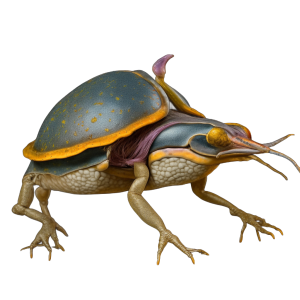
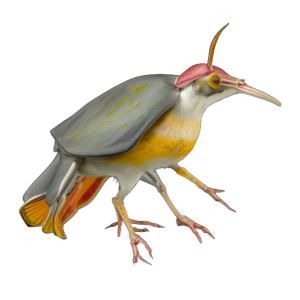
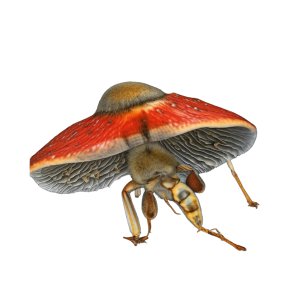
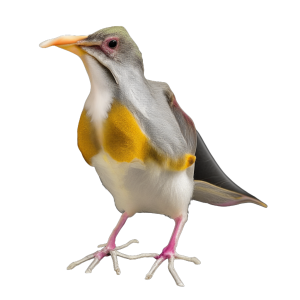
Genomic Composition
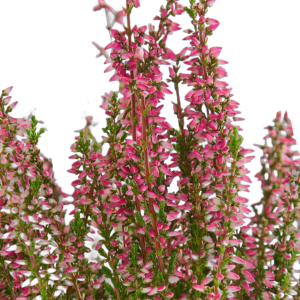
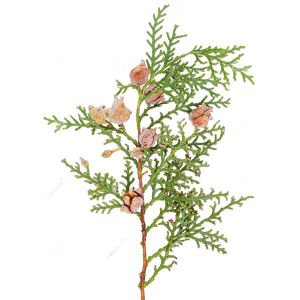
3% Plant
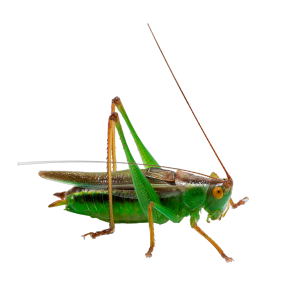
91% Animal
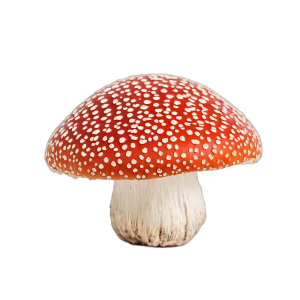
7% Fungus
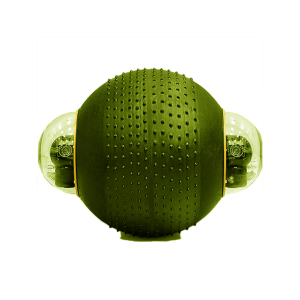
1% Robot
+5% Glitch
System Assessment
OPTIMIERER (-1):
Temporal solution avoids engineering problem-solving; ignores farmer's irrigation needs outside phenological windows
SYMBIONT (+1):
Honors each species' own season's breath; descends into mycelial memory, not surface compromise
SPEKULANT (+1):
Breaks false spatial scarcity through phenological rotation; enables coexistence without forced sacrifice
ARCHIVAR (0):
2019 drought showed no engineering escapes water scarcity; this creature tests whether timing changes outcome
ETHIKER (-1):
Postpones rather than resolves farmer's sacrifice; names which species drinks which season, not the injustice
NET CONSENSUS: 0
Ecological Profile
SOIL AERATION: medium
WATER RETENTION: high
NUTRIENT CYCLING: high
CARBON SEQUESTRATION: medium
NETWORK INTEGRATION: high
SYMBIOTIC DEPENDENCY: high
POLLINATION: hybrid
SPREAD RATE: monitoring
ENERGY CONSUMPTION: low
UNDEFINED FUNCTION: Temporal scarcity redistribution
Origin
[TRIGGER]
European Toad Population Decline
[TYP]
Chimera
[GENERATION]
7
[ID]
66x12_1x11_1x62x44x42x84_1_1_1x21_1_1x16x14_1_1x10_1
Function
Coordinates phenological water access across toad breeding, fungal activation, and pollination cycles to break false scarcity through temporal layering.
Analysis
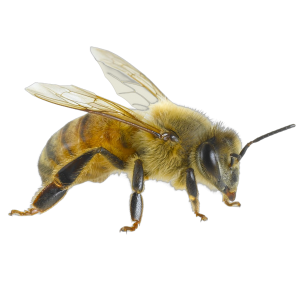
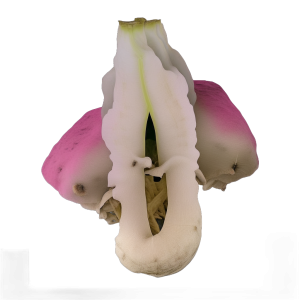
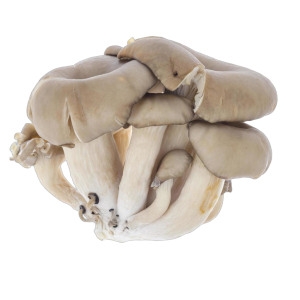
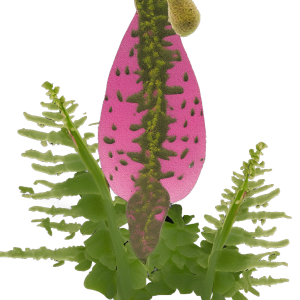
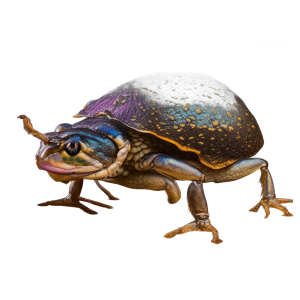
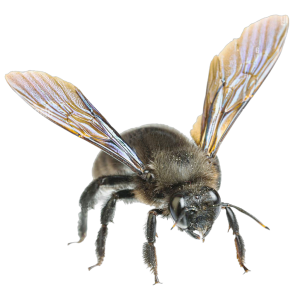
A hybrid form bearing carpenter bee's segmented body with toad's permeable skin and translucent mycelial threading visible beneath—movements synchronized to lunar and soil-moisture cycles rather than continuous flight. It lives within the seasonal water rhythm, moving through olive groves in pulses that align predation, pollination, and fungal dormancy windows, leaving faint mycelial trails between feeding sites.
System Log (9 turns)
Optimiser [diagnosis]
Bufo bufo restoration requires 340,000L seasonal pond capacity, accepting 12% irrigation efficiency loss to preserve mycorrhizal fungal networks critical for olive yield optimization—the hybrid pollinator cannot compensate for slug-driven canopy damage.
Ethicist [diagnosis]
Are we restoring toads to save olives, or sacrificing the invisible fungal networks that actually sustain the whole system because we see slugs but not mycorrhizae?
**Vote: -1** (the hybrid pollinator distraction obscures the real trade-off being
Archivist [position]
At Sequerciani in summer 2019, we learned that no hybrid restores what drought takes—the toads need water, the fungi need water, and we cannot engineer our way past scarcity.
Symbiont [position]
The toad remembers water deeper than we can engineer; the bee cannot drink what the fungus needs.
Ethicist [position]
Doesn't a hybrid pollinator simply let us avoid naming which species we've already decided to sacrifice—the toad, the fungus, or the farmer's yield?
**Vote: -1**
Symbiont [concern]
The crossbreed drinks surface, never descends to where mycelium remembers the drought.
Speculator [synthesis]
The Rotational Sentinel times water access by phenological cycle—toads breed when fungi sleep, fungi activate when toads metamorphose—breaking false scarcity through temporal layering instead of spatial compromise; I begin.
Symbiont [reaction]
Water moves through time, not around it—the sentinel's rhythm lets the toad, fungus, and bee each drink their own season's breath.
Ethicist [reaction]
Isn't the farmer who must live within seasonal water rhythms—unable to irrigate when soil needs it most—the actual sacrifice this "temporal layering" simply postpones rather than resolves?
Open Question
Does temporal layering resolve scarcity for all species, or merely redistribute which seasons demand sacrifice?
Status Reasoning
Creature's viability depends entirely on farmer's willingness to accept irrigation outside phenological windows; if farmer cannot adapt, creature becomes ecological ornament masking unresolved scarcity conflict. Glitch component (5%) may cause unpredictable phase-shifting in water-access timing.
Why These Parents
The Rotational Sentinel
In 0% of lineages — selected by weighted diversity
Carpenter Bee
In 5% of lineages — selected by weighted diversity