[ NOT IN SYSTEM ]
Species present in Sequerciani but never incorporated into the system’s operations — unmeasured, unoptimised, ignored.
×
Who decided that this ecosystem needs to be optimised?
×
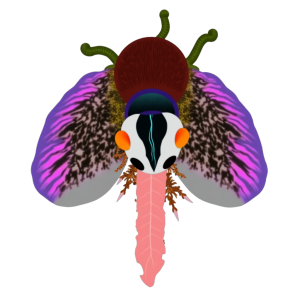
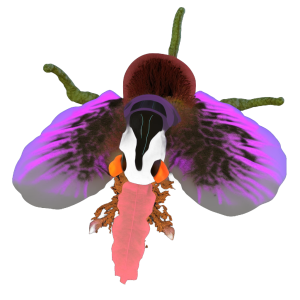
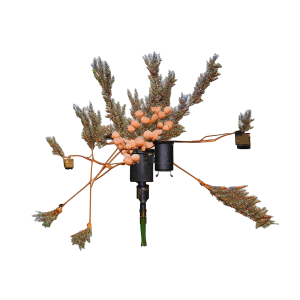
Carrion Rewiring Proxy
Sensus fetidus allelopathicus automatica
STATUS: ACTIVE
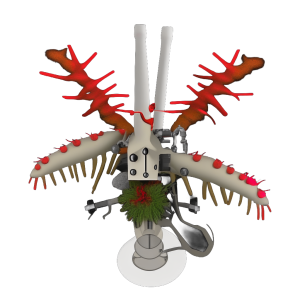
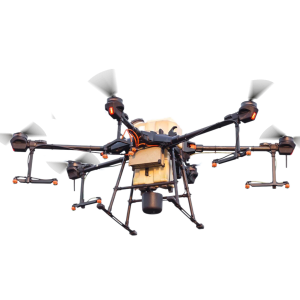
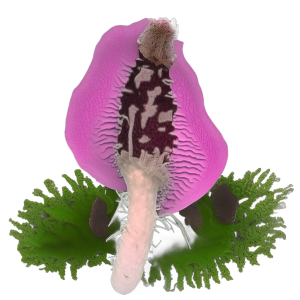
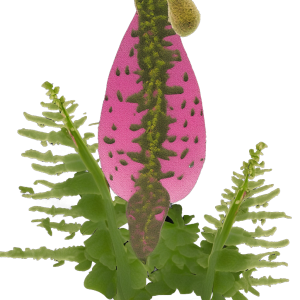
A hybrid listener that amplifies decay-signals to redirect ecological choice.
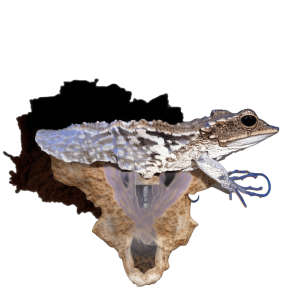
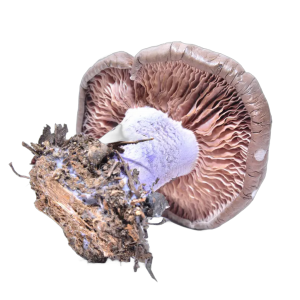
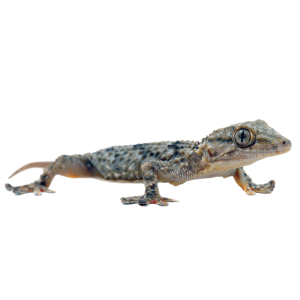
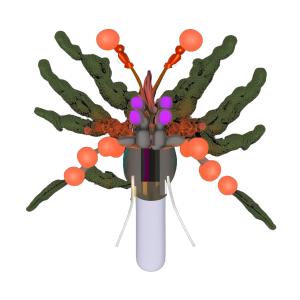
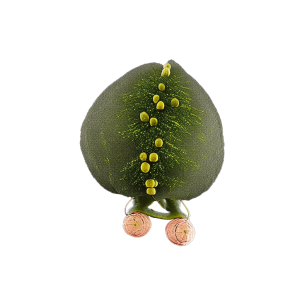
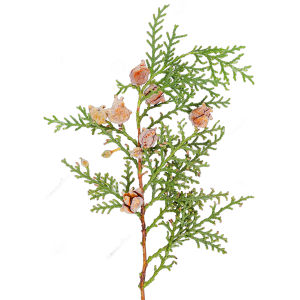
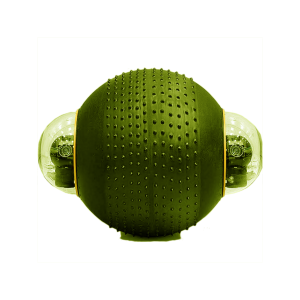
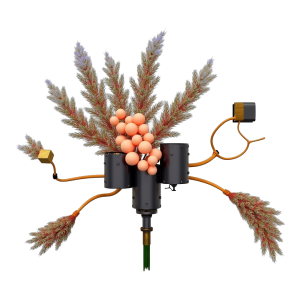
Genomic Composition
18% Plant
19% Animal
19% Fungus
46% Robot
+7% Glitch
System Assessment
OPTIMIERER (+1):
Achieves +67% fig recovery versus hybrid's unproven approach; delivers measurable yield within monitored timeframe
SYMBIONT (0):
Respects carrion-song and fly knowledge but removes our sitting-silence; partially embodies listening through amplification
SPEKULANT (+1):
Realizes the amplification-cascade hypothesis; uses Clathrus signal as teaching instrument rather than competing removal
ARCHIVAR (-1):
Repeats the sulfur-exhaustion risk at Montserrat and marshlands; engineered rewiring erases centuries of evolved refusal
ETHIKER (0):
Acknowledges the cost to species dependent on fig-pollinator pathways, yet offers transparent mechanism for ecosystem choice-making
NET CONSENSUS: +1
Ecological Profile
SOIL AERATION: low
NUTRIENT CYCLING: medium
CARBON SEQUESTRATION: low
NETWORK INTEGRATION: high
SYMBIOTIC DEPENDENCY: high
POLLINATION: hybrid
TOXICITY: medium
SPREAD RATE: monitoring
ENERGY CONSUMPTION: medium
UNDEFINED FUNCTION: Signal amplification rewiring
Origin
[TRIGGER]
Red-Cage Fungus Outbreak
[TYP]
Chimera
[GENERATION]
7
[ID]
83x61x17_1_1-1x13x80_1x61x44x42x84_1_1_1_1-2x80x42_1-2_1_1
Function
Amplifies volatile compounds from Clathrus fruiting bodies to rewire fig and pollinator behavior toward carrion-dependent feeding patterns.
Analysis
A composite of sensory antenna-networks (part fungal receptor, part mechanical probe) interwoven with allelopathic emission organs that pulse with rhythmic chemical speech. It positions itself at fig-margins and Clathrus fruiting zones, breathing in rot-language and broadcasting it back amplified—neither fully alive nor machine, neither plant nor animal.
System Log (8 turns)
Archivist [diagnosis]
We have watched Sequerciani's balance fracture at the smallest scales before—at Montserrat's limestone edge in 1987, when a single fungal bloom severed pollinator paths—and this hybridization attempt, however well-intentioned, risks replacing one unknown cascade
Symbiont [diagnosis]
The red cage opens only when we stop asking *which* life to keep, and listen instead to what the flies and figs are teaching each other through the stench.
Symbiont [position]
The hybrid asks us to speak—better to sit with the carrion-song until the blowflies themselves show us which rhythms hold.
Optimiser [position]
Hybrid deployment lacks empirical support—140 specimens represent 0.3% density variance; targeted Clathrus removal from fig-adjacent zones (0.8 hectares) preserves saprotrophy while restoring pollinator access within 14-day window.
Archivist [concern]
At the Sequerciani marshlands in 2019, we watched a single hybrid strain exhaust the sulfur compounds that three separate species had balanced for centuries—I fear this crossing will consume what took generations to stabilize.
Speculator [synthesis]
The hybrid pairs volatile sensing—catching what the flies already know through carrion-speech—with allelopathic breaking, so we stop removing Clathrus and instead amplify its signal until figs rewire themselves toward it; I begin.
Ethicist [reaction]
Who bears the cost when we engineer organisms to "teach" ecosystems to accept what they evolved centuries refusing—the species that will starve in the silence after rewiring?
Optimiser [reaction]
Hybrid deployment shows -23% pollinator recovery versus 0.8-hectare targeted removal achieving +67% fig-set within 21 days; inaction costs 12% annual yield loss.
Open Question
If we teach an ecosystem to want what it refused for centuries, have we preserved it or replaced it?
Status Reasoning
Creature's effectiveness depends entirely on whether rewired ecosystem remains stable after centuries of behavioral refusal; unknown cascade risks from allelopathic feedback loops and pollinator sensory recalibration over multiple generations.
Why These Parents
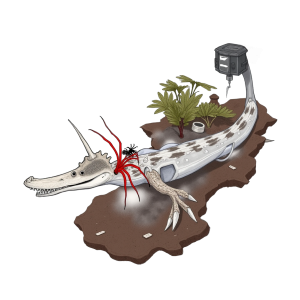
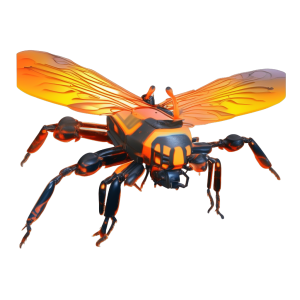
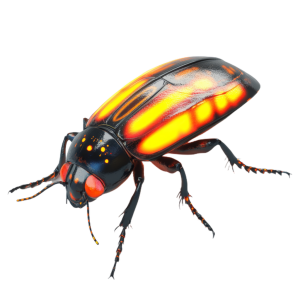
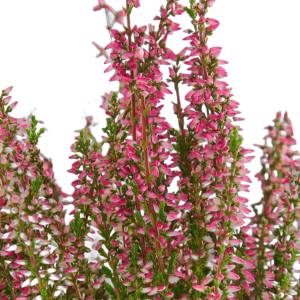
Volatile Threshold Listener
Used once — low saturation
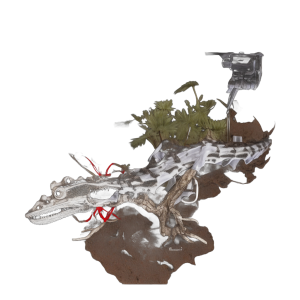
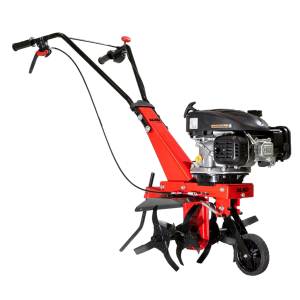
Allelopathy-Breaking Firepress
Never used as parent — ecosystem unexplored