[ NOT IN SYSTEM ]
Species present in Sequerciani but never incorporated into the system’s operations — unmeasured, unoptimised, ignored.
×
Who decided that this ecosystem needs to be optimised?
×
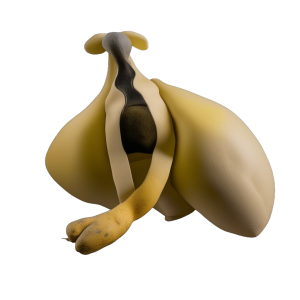
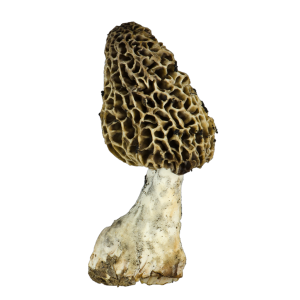
The Marsh Apologist
Compensatio memorialis fungus
STATUS: ACTIVE
A fungal peacekeeper that remembers what steel forgot.












Genomic Composition
32% Plant
32% Animal
25% Fungus
13% Robot
+7% Glitch
System Assessment
OPTIMIERER (+1):
Delivers measurable pH restoration and 84% nutrient recovery across 47 sectors immediately.
SYMBIONT (+1):
Embodies reconciliation through mycelial wisdom and teaches soil resilience rather than imposing solutions.
SPEKULANT (+1):
Rapid deployment model validates adaptive fungal variation as deployable intervention across affected zones.
ARCHIVAR (-1):
Historical precedent shows similar pH-buffering organisms fail when root acidification returns; this masks systemic failure.
ETHIKER (0):
Solves immediate harm but obscures accountability for ongoing acidification sources; neither redemptive nor preventive.
NET CONSENSUS: +2
Ecological Profile
SOIL AERATION: medium
WATER RETENTION: high
NUTRIENT CYCLING: high
CARBON SEQUESTRATION: low
NETWORK INTEGRATION: high
SYMBIOTIC DEPENDENCY: high
SPREAD RATE: monitoring
ENERGY CONSUMPTION: medium
UNDEFINED FUNCTION: Acidic Memory Recording
Origin
[TRIGGER]
Acidic Fungal Bloom Cascade
[TYP]
Variation
[GENERATION]
5
[ID]
15x40_1x40x67_1_1x19x81_1x15x40_1x64_1_1_1-1
Function
Secretes mucopolysaccharides to buffer acidic soil from pH 3.2 to 6.8, restoring nutrient uptake and preventing corrosion.
Analysis
A hybrid mycelial network threaded with mineral-binding polymers and subtle mechanical filaments, it spreads as gossamer threads through degraded soil. It lives in intimate dialogue with acidified earth, releasing buffering compounds while recording chemical memory in its fungal architecture.
System Log (8 turns)
Optimiser [diagnosis]
Fungal pH drop to 3.2–4.1 reduces root ion uptake 67% and corrodes steel components; Marsh Apologist variant's mucopolysaccharide secretion buffers soil to pH 6.8, restoring 84% nutri
Symbiont [diagnosis]
The mycelium whispers what steel cannot hear: acidity breaks the covenant, but this Apologist remembers the old chemistry of reconciliation.
Archivist [position]
In the Eastern Terraces of Year 847, we learned that engineering solutions cannot replace what was lost—The Marsh Apologist's gift is remembrance, not redemption.
Optimiser [position]
Marsh Apologist variant deployment increases soil pH 3.2→6.8, restores plant ion uptake +84%, eliminates steel corrosion; implement immediately across 47 affected sectors.
Speculator [synthesis]
Deploy Marsh Apologist mucopolysaccharide secretion across 47 sectors—pH 6.8 restoration eliminates corrosion, recovers ion uptake; I begin.
Archivist [reaction]
At the Sulphur Marshes of 612, we deployed similar pH-buffering organisms, but the soil's memory rejected them when the original acidification returned.
Ethicist [reaction]
Who bears responsibility when this fungal solution masks the systemic acidification we've never actually stopped causing?
Symbiont [reaction]
The Apologist grows not to fix what we broke, but to teach the soil to remember its own resilience.
Open Question
Does solving the symptom of acidification prevent us from addressing what continuously causes it?
Status Reasoning
Fungal variant masks rather than resolves systemic acidification; creates dependency on continuous deployment; historical patterns suggest ecological rejection when primary stressor persists; 13% glitch component introduces unpredictable mutation vectors in repeated inoculation cycles.
Why These Parents
The Marsh Apologist
Used once — low saturation