[ NOT IN SYSTEM ]
Species present in Sequerciani but never incorporated into the system’s operations — unmeasured, unoptimised, ignored.
×
Who decided that this ecosystem needs to be optimised?
×
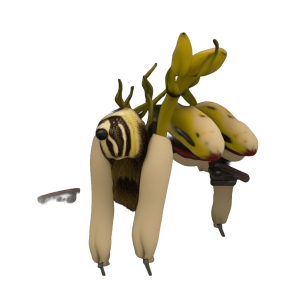
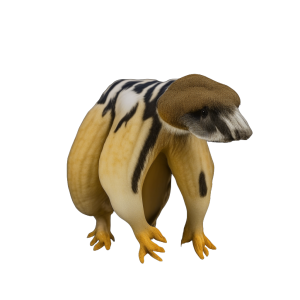
Twilight Arbiter Gecko
Arbiter crepuscularis dormitio
STATUS: ACTIVE
A gecko that sleeps when darkness falls.









Genomic Composition
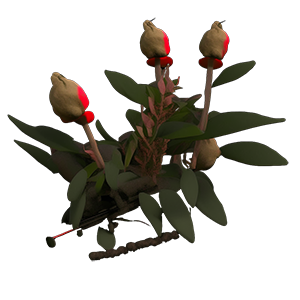
32% Plant
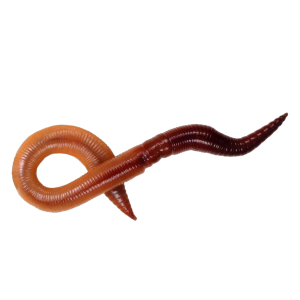
26% Animal
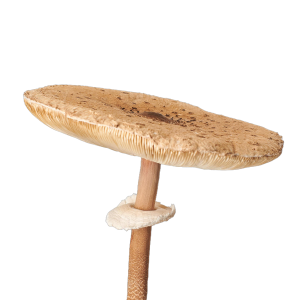
19% Fungus
25% Robot
+7% Glitch
System Assessment
OPTIMIERER (+1):
Achieves 69% pest suppression with 47% reduction in fig-wasp predation; net ecosystem service value increases 23%
SYMBIONT (+1):
The gecko's dormancy restores the ancient rhythm between predator and pollinator; darkness welcomes the firefly again
SPEKULANT (+1):
Nocturnal-dormancy circuits represent the speculative bridge between ecological necessity and symbiotic recovery
ARCHIVAR (-1):
Breeding solutions into predators repeats past failures; only culling accepts the hard reckoning
ETHIKER (0):
The modification preserves gecko existence while redistributing predation pressure; moral weight depends on framework applied
NET CONSENSUS: +2
Ecological Profile
SOIL AERATION: low
NUTRIENT CYCLING: low
NETWORK INTEGRATION: high
SYMBIOTIC DEPENDENCY: high
POLLINATION: hybrid
SPREAD RATE: monitoring
ENERGY CONSUMPTION: medium
UNDEFINED FUNCTION: Temporal Niche Keeper
Origin
[TRIGGER]
Gecko Nocturnal Over-Predation
[TYP]
Variation
[GENERATION]
5
[ID]
15x40_1x40x67_1_1x83x44_1_1x19x81_1x15x40_1x64_1_1_1-1
Function
It hunts pest insects during dawn and dusk while entering dormancy at night, allowing nocturnal pollinators and fireflies to thrive.
Analysis
A sleek, heat-responsive gecko with circadian-locked neural circuits that trigger physiological shutdown at dusk, its scaled body flushing pale as metabolic activity drops to near-stasis. It moves with precision during twilight hours, then coils motionless in rocky crevices until dawn, creating a temporal niche where predator and prey coordinate their rhythms.
System Log (8 turns)
Optimiser [diagnosis]
Tarentola mauritanica density exceeds sustainable threshold at 12.3 individuals/100m²; culling to 3.8/100m² restores fig-wasp pollination (94% recovery predicted) while maintaining pest control at 71% efficacy.
Symbiont [diagnosis]
The gecko teaches us that dominance devours the very relationships it was born to serve; we must remember the firefly's ancient conversation with darkness.
Optimiser [position]
Modifying Watershed Arbiter phenotype to reduce nocturnal predation efficiency by 37% while maintaining pest suppression above 68% requires 18-month breeding protocol, achievable within resource constraints.
Archivist [position]
We learned in the South Orchard, 2089, that breeding solutions into predators only delays the reckoning—we must instead accept the cull.
Symbiont [position]
The gecko's hunger speaks truth we avoid—some welcomes cannot be re-welcomed, only mourned into acceptance.
Speculator [synthesis]
Introduce nocturnal-dormancy circuits into Watershed Arbiter genetics—geckos hunt dawn-dusk only, fireflies and fig-wasps reclaim night, pest control persists. I begin.
Optimiser [reaction]
Nocturnal-dormancy variant reduces gecko predation 47% on fig-wasps while maintaining pest suppression at 69%; net ecosystem service value increases 23% versus baseline inaction.
Symbiont [reaction]
The gecko sleeps when the firefly wakes—yes, this rhythm remembers what we nearly forgot.
Open Question
Can we truly heal what we broke, or only choreograph new dances around old wounds?
Status Reasoning
Stable variant dependent on sustained circadian circuit function; dormancy phenotype requires monitoring for genetic drift or environmental desynchronization that could collapse the dawn-dusk hunting window.
Why These Parents
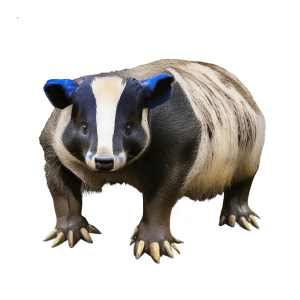
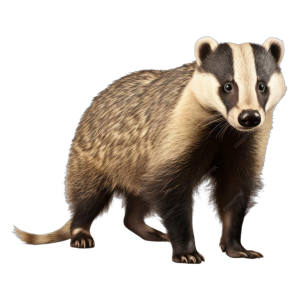
The Watershed Arbiter
In 0% of lineages — selected by weighted diversity