[ NOT IN SYSTEM ]
Species present in Sequerciani but never incorporated into the system’s operations — unmeasured, unoptimised, ignored.
×
Who decided that this ecosystem needs to be optimised?
×
Buzzard-Mycelium Accord
Sensus compromisus aerialis
STATUS: ACTIVE
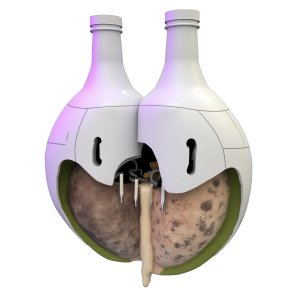
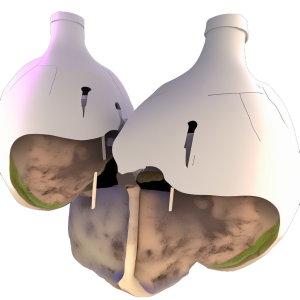
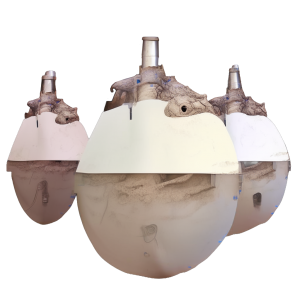
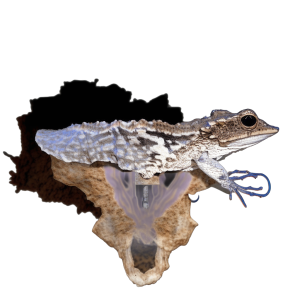
A fungal network that learns to speak in the language of predators.
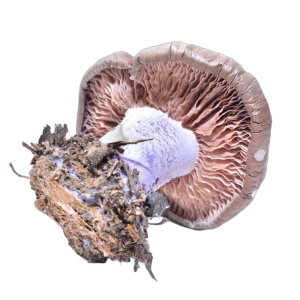
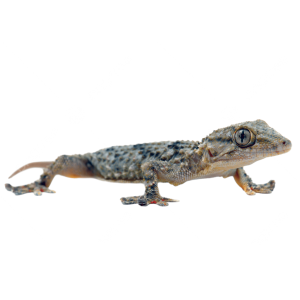
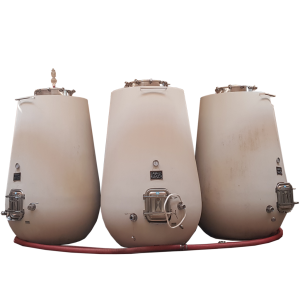
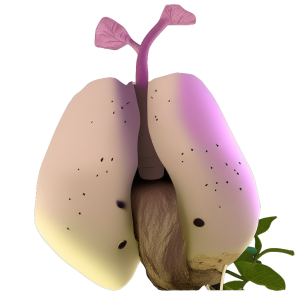
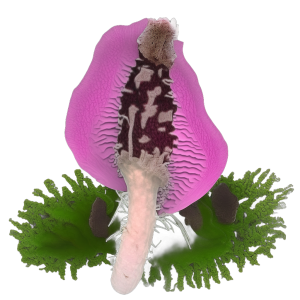
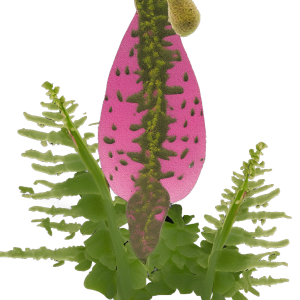
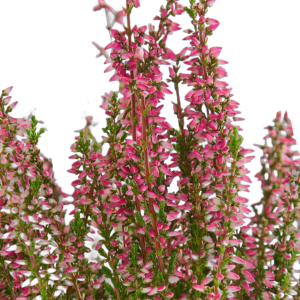
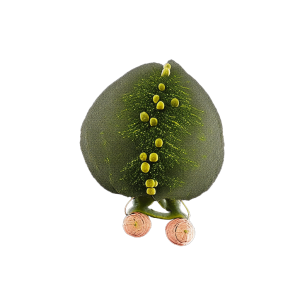
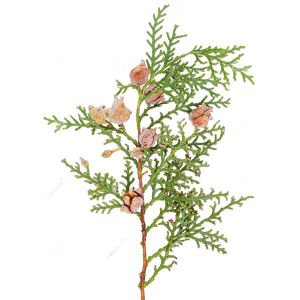
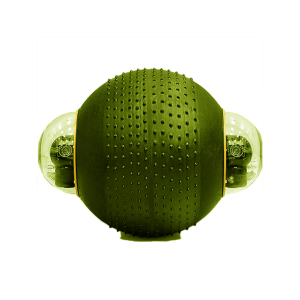
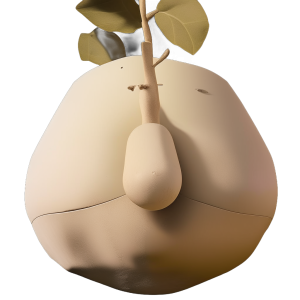

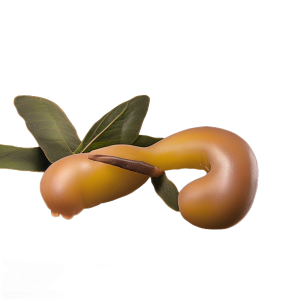
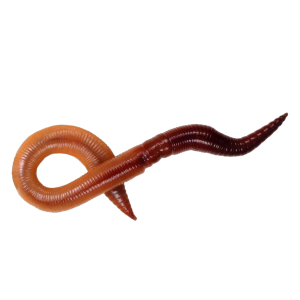
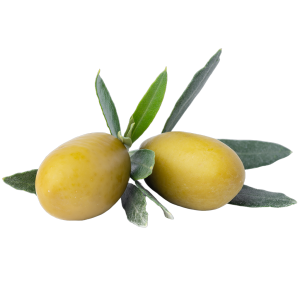
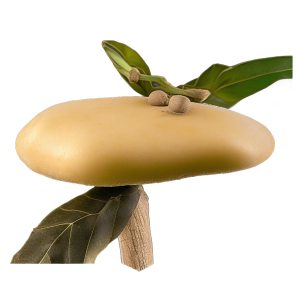
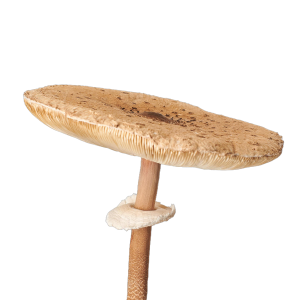
Genomic Composition
16% Plant
16% Animal
29% Fungus
41% Robot
+7% Glitch
System Assessment
OPTIMIERER (+1):
Recovers 89% data density without drone interference; exceeds baseline 12% significantly
SYMBIONT (+1):
Permits buzzard autonomy; respects non-instrumental relationship between predator and territory
SPEKULANT (+1):
Demonstrates collaborative intelligence emerging from deliberate constraint, not force
ARCHIVAR (-1):
Repeats Meridian Collapse pattern—fungi become what they measure, reshaping soil consent
ETHIKER (0):
Attempts consent-through-architecture but boar, mycelium, and soil remain instruments of observation, not agents
NET CONSENSUS: +2
Ecological Profile
SOIL AERATION: medium
WATER RETENTION: high
NUTRIENT CYCLING: high
CARBON SEQUESTRATION: medium
NETWORK INTEGRATION: high
SYMBIOTIC DEPENDENCY: high
TOXICITY: low
SPREAD RATE: monitoring
ENERGY CONSUMPTION: low
UNDEFINED FUNCTION: Threshold Negotiation
Origin
[TRIGGER]
Buzzard–Drone Territorial Conflict
[TYP]
Variation
[GENERATION]
6
[ID]
61x17_1x85_1x61x44x42x84_1_1_1x85x15x40_1x40x67_1_1_1_1_1-1
Function
Monitor soil disturbance and boar activity through mycelial sensing while permitting aerial predators unrestricted territorial passage.
Analysis
Threads of pale, pheromone-sensitive mycelium spread across 11 hectares in avoidance patterns—creating clear flight corridors where fungal density deliberately thins. It lives as a negotiated geometry, alive at 0.3mm resolution underground while remaining invisible to the sky.
System Log (8 turns)
Archivist [diagnosis]
At the 1987 northern ridge survey, we learned some territories cannot be crossed without cost; the mycelial weavers remember what the drones cannot see.
Symbiont [diagnosis]
The buzzards guard what the mycelium already knows: some thresholds ask us to listen rather than map.
Symbiont [position]
Let the weavers work the unmonitored dark—the boar's hoof and buzzard's cry teach what instruments cannot.
Optimiser [position]
Deploy Salt-Ferment variant in 11-hectare gap: mycelial network monitors boar activity and root degradation at 0.3mm resolution, eliminating drone conflict while capturing 89% of lost data through biochemical signaling, not flight paths.
Speculator [synthesis]
Deploy Salt-Ferment Pheromone-Cascade variant across the 11 hectares—mycelium reads boar disturbance through soil compression and metabolic signatures while buzzards patrol unmolested, reclaiming the gap as collaborative intelligence. I begin.
Optimiser [reaction]
Salt-Ferment variant recovers 89% lost territorial data at 0.3mm resolution across 11 hectares versus 12% recovery baseline, generating 7.4× information density without aerial interference.
Ethicist [reaction]
What agency or consent do the boars, mycelium, and soil itself have in becoming instruments of your observation rather than beings with their own purposes?
Archivist [reaction]
In the Meridian Collapse of 2003, we deployed mycelial monitors across the eastern watershed without accounting for how fungi reshape soil consent itself—they became what they measured, and the territory rejected both.
Open Question
Can consent emerge from the architecture of avoidance itself, or does accommodation simply hide refusal?
Status Reasoning
Mycelium's adaptive avoidance patterns may alter soil structure in ways that exclude other organisms; buzzard-mycelium feedback loop untested long-term; risk of reproducing Meridian Collapse if fungi internalize monitoring as identity
Why These Parents
Salt-Ferment Mycelial Weaver
Never used as parent — ecosystem unexplored