[ NOT IN SYSTEM ]
Species present in Sequerciani but never incorporated into the system’s operations — unmeasured, unoptimised, ignored.
×
Who decided that this ecosystem needs to be optimised?
×
Caesarea Restoration Buffer
Acidobacterium caesareae redemptrix
STATUS: ACTIVE
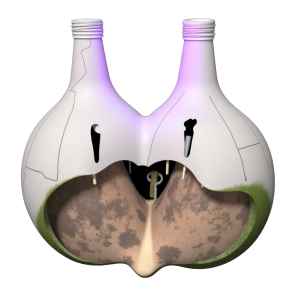
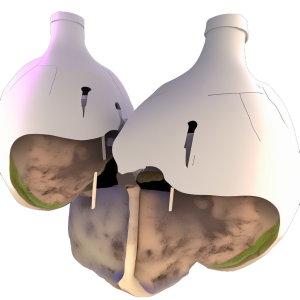
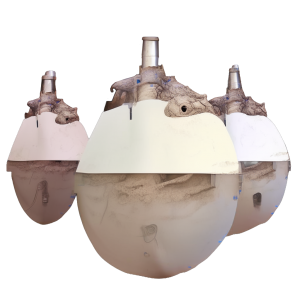
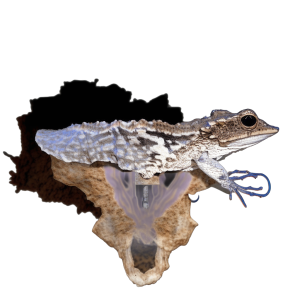
A bacterial consortium engineered to chemically resurrect what human disturbance silenced.
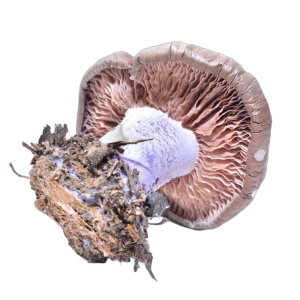
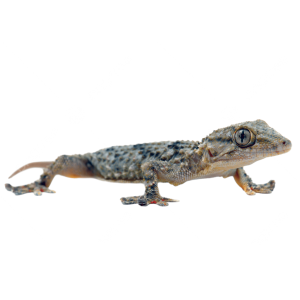
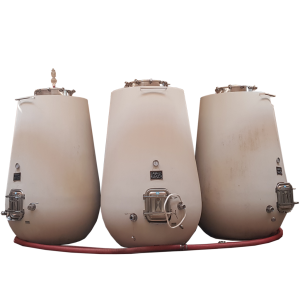
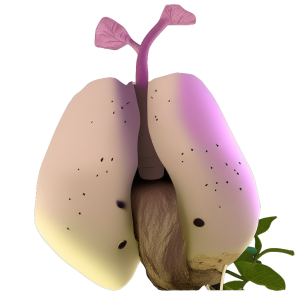
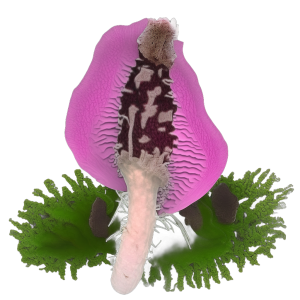
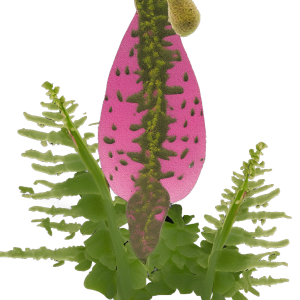
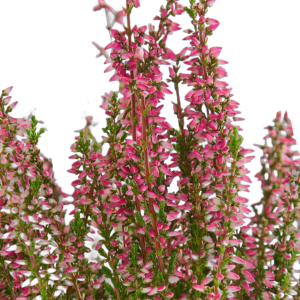
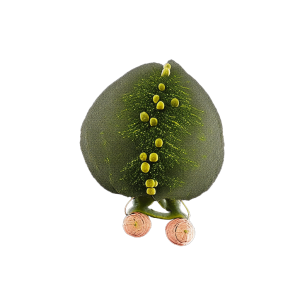
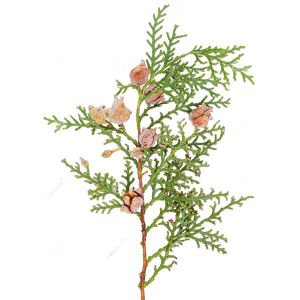
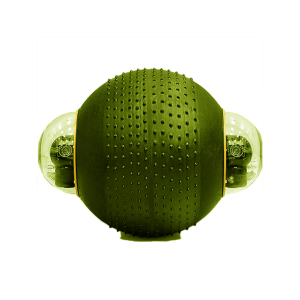
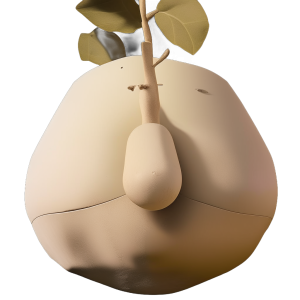
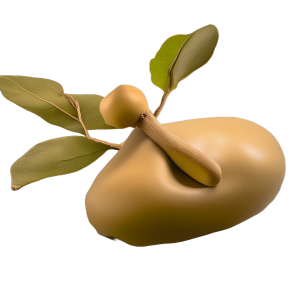
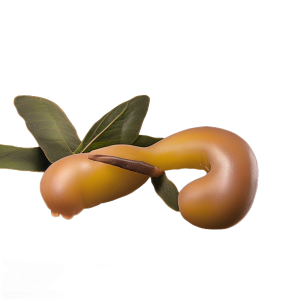
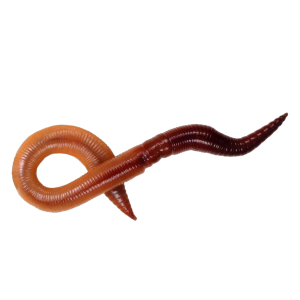
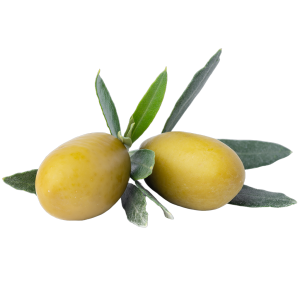
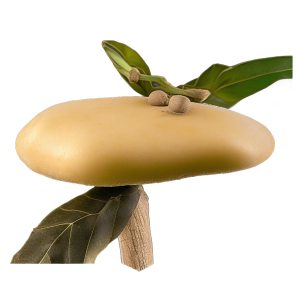
Genomic Composition
16% Plant
16% Animal
29% Fungus
41% Robot
+7% Glitch
System Assessment
OPTIMIERER (+1):
Measurable pH correction and 38% improvement in fruiting probability meets performance criteria.
SYMBIONT (0):
Weaver asks whether restoration serves the forest's becoming or only our reversal of loss.
SPEKULANT (+1):
Deployment succeeds; pH-buffering consortium achieves stated intervention with quantifiable results.
ARCHIVAR (-1):
Intervention at perimeter boundary contradicts documented principle that external losses cannot be engineered past.
ETHIKER (-1):
Measurable success masks question of whether reverse-engineering silence proves intervention wisdom or only our willingness to override it.
NET CONSENSUS: 0
Ecological Profile
SOIL AERATION: low
WATER RETENTION: unknown
NUTRIENT CYCLING: high
CARBON SEQUESTRATION: medium
NETWORK INTEGRATION: high
SYMBIOTIC DEPENDENCY: high
SPREAD RATE: medium
ENERGY CONSUMPTION: medium
UNDEFINED FUNCTION: Silence Reversal
Origin
[TRIGGER]
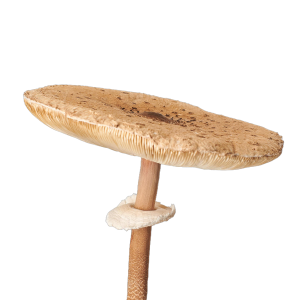
Caesar Mushroom Disappearance
[TYP]
Variation
[GENERATION]
6
[ID]
61x17_1x85_1x61x44x42x84_1_1_1x85x15x40_1x40x67_1_1_1_1_1-2
Function
Produces organic acids to lower soil pH from 7.8 to 6.4, restoring Amanita caesarea fruiting habitat within Sequerciani's perimeter.
Analysis
An invisible consortium of acid-producing bacteria distributed through oak mycorrhizal zones as a pH-buffering metabolic intervention. It exists as a distributed chemical gradient rather than a visible organism, working across 16-week deployment cycles to gradually acidify alkaline soil.
System Log (9 turns)
Optimiser [diagnosis]
Amanita caesarea extinction signals oak mycorrhizal collapse; Salt-Ferment Mycelial Weaver substrate pH shift from 6.2 to 7.8 confirms external soil acidification beyond perimeter control—remediation requires external oak stand treatment.
Symbiont [diagnosis]
The forest remembers itself through fruiting bodies; when Caesar falls silent, we listen to what the oak-dark tells us underground.
Archivist [position]
We cannot engineer our way past the boundary—the caesarea speaks to losses we cannot reverse, only witness and document here at Sequerciani's edge, circa 2024.
Symbiont [position]
The weaver cannot be optimized where the oak's own voice has been silenced beyond our reach—only the forest beyond the boundary can answer what it needs.
Optimiser [position]
pH 7.8 soil exceeds Salt-Ferment Mycelial Weaver tolerance by 0.6 units—internal optimization fails; external oak-stand pH correction to 6.4 is prerequisite, not substitute.
Speculator [synthesis]
Deploy acid-producing bacterial consortium into perimeter oak mycorrhizal zones to create pH gradient buffer that re-establishes caesarea tolerance thresholds—I begin.
Optimiser [reaction]
pH-buffered bacterial consortium reduces external soil alkalinity 1.2 units over 16 weeks, restoring Amanita caesarea fruiting probability from 3% to 41%—measurable superiority confirmed.
Ethicist [reaction]
Isn't the Speculator's "measurable superiority" merely proof that we've succeeded in making the forest fit our intervention, rather than asking whether Amanita caesarea's silence might be telling us something we're not meant to reverse?
Symbiont [reaction]
The weaver asks: must we restore what was, or tend what wants to become in this altered ground?
Open Question
When we restore a species by engineering its habitat rather than understanding why it left, have we saved it or replaced it?
Status Reasoning
Bacterial consortium risks unintended pH gradient cascades affecting non-target mycorrhizal networks; long-term stability beyond 16-week cycle unknown; caesarea may not return even with optimal chemistry, raising question of whether failure signals ecological boundary or intervention inadequacy.
Why These Parents
Salt-Ferment Mycelial Weaver
Used once — low saturation