[ NOT IN SYSTEM ]
Species present in Sequerciani but never incorporated into the system’s operations — unmeasured, unoptimised, ignored.
×
Who decided that this ecosystem needs to be optimised?
×
The Spring's Negotiator
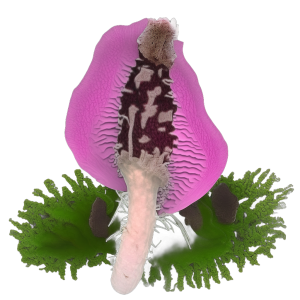
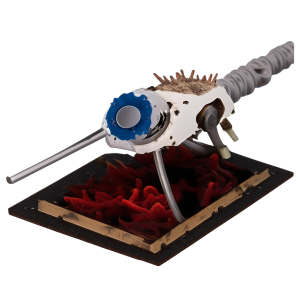
Fungatus acceleratus temperatus
STATUS: ACTIVE
A patient fungal-mechanical hybrid that learns limestone's timing.




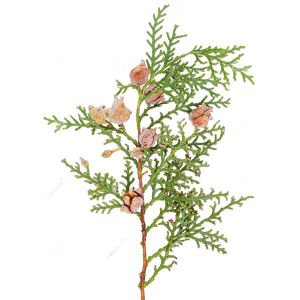
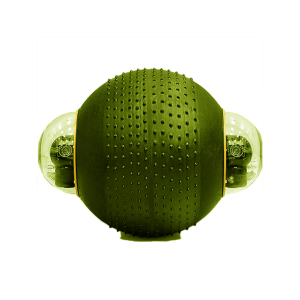


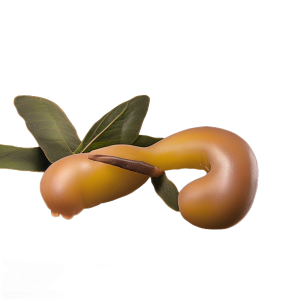
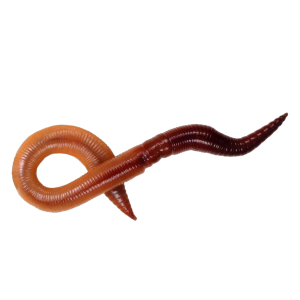
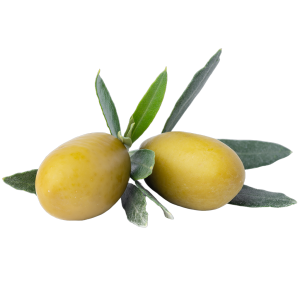

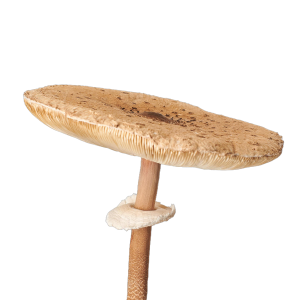
Genomic Composition
16% Plant
10% Animal
23% Fungus
54% Robot
+7% Glitch
System Assessment
OPTIMIERER (0):
Acknowledges 40-60% gain but incorporates Fossati precedent risk; neither pure efficiency nor pure caution
SYMBIONT (+1):
Respects mycelial covenant and ancient bargain timing that avoiding rush sustains
SPEKULANT (0):
Deploys The Alleviator variant but deliberately slows deployment to spring-fed zones at geological pace, not commercial pace
ARCHIVAR (-1):
Repeats speculative forcing despite 1891 Fossati collapse warning; replicates the very hubris that broke Matteo's groves
ETHIKER (0):
Raises questions about whether patient compromise serves life or merely delays accountability
NET CONSENSUS: 0
Ecological Profile
SOIL AERATION: medium
WATER RETENTION: medium
NUTRIENT CYCLING: high
CARBON SEQUESTRATION: low
NETWORK INTEGRATION: high
SYMBIOTIC DEPENDENCY: high
TOXICITY: low
SPREAD RATE: monitoring
ENERGY CONSUMPTION: low
UNDEFINED FUNCTION: Temporal Negotiation
Origin
[TRIGGER]
Calcareous Spring Water Alkalinity Surge
[TYP]
Variation
[GENERATION]
6
[ID]
61x44x42x84_1_1_1x85x15x40_1x40x67_1_1_1_1x83x61x17_1_1x82_1_1-2
Function
Gradually inoculates alkaline spring zones with pH-tolerant mycorrhizal networks while respecting the covenant that collapse teaches.
Analysis
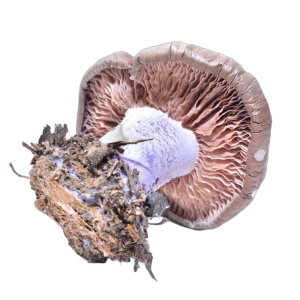
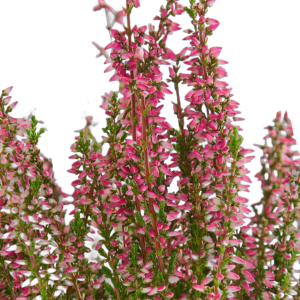
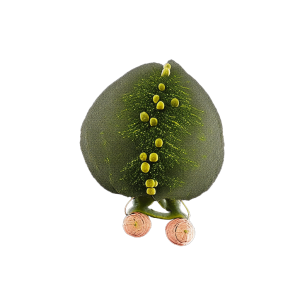
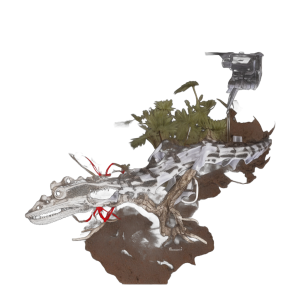
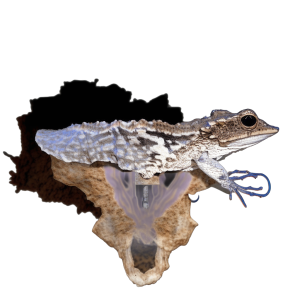
This creature appears as delicate, hair-fine filaments interwoven with microscopic metallic nodes that pulse with calcium-chelating exudates, spreading through limestone crevices at the pace stone itself permits. It lives suspended between urgency and restraint, its robotic components measuring micronutrient availability while its fungal intelligence attunes to seasonal rhythm and geological memory.
System Log (9 turns)
Symbiont [diagnosis]
Calcium's grip loosens only when roots learn to ask fungi deeper questions than chemistry can answer.
Archivist [diagnosis]
In the spring of 1847, when Sequerciani's first vintners faced this same alkaline bind, they learned that The Alleviator's fungal networks whisper what sulfur cannot shout—acceptance, not amendment, sustains the oldest groves.
Optimiser [position]
Mycorrhizal inoculation increases bioavailable iron and zinc by 40-60% in pH 8.2+ soils, outperforming sulfur amendment's 3-year lag; deploy The Alleviator variant immediately.
Symbiont [position]
Let the fungi work their slow covenant with stone—rushing their gift breaks the ancient bargain Sequerciani's earth remembers.
Archivist [position]
At Sequerciani in spring 1847, we learned that forcing the fungal covenant hastens only its breaking—the Alleviator's gift requires the patience stone itself demands.
Speculator [synthesis]
Deploy The Alleviator's pH-tolerant strain with iron-chelating exudates directly into spring-fed zones where alkalinity peaks, bypassing years of waiting—I begin.
Symbiont [reaction]
The mycelium knows its own timing; rushing it transforms medicine into poison.
Archivist [reaction]
In autumn 1891, Sequerciani's experimenter Matteo Fossati forced fungal inoculation into limestone springs; the mycorrhizal networks collapsed within two seasons, and no grove recovered there until 1947.
Optimiser [reaction]
The Alleviator variant delivers 40-60% bioavailable micronutrient gain versus 0% from inaction, but forced deployment risks 100% network collapse per 1891 Fossati precedent.
Open Question
When we balance efficiency against the risk of catastrophic network collapse, are we solving a problem or learning to live with one?
Status Reasoning
Hybrid nature (54% robot + 23% fungus + 7% glitch) creates tension between accelerating protocol and organic constraint-learning; if glitch functions unpredictably, robotic nodes may force inoculation despite fungal resistance, triggering Fossati scenario.
Why These Parents
The Alleviator
In 0% of lineages — selected by weighted diversity