[ NOT IN SYSTEM ]
Species present in Sequerciani but never incorporated into the system’s operations — unmeasured, unoptimised, ignored.
×
Who decided that this ecosystem needs to be optimised?
×
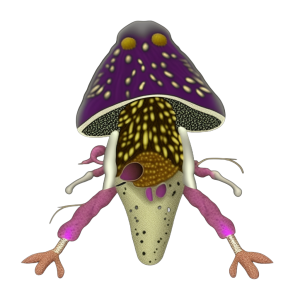
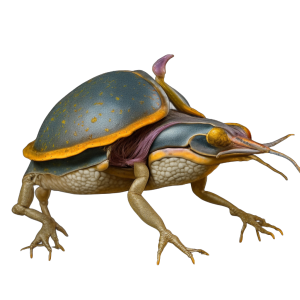
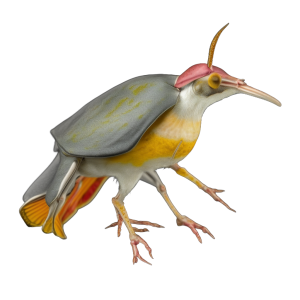
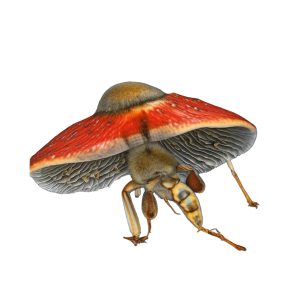
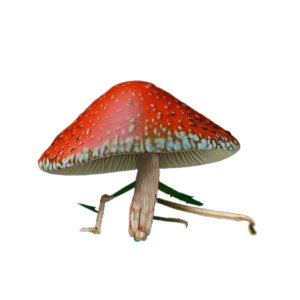
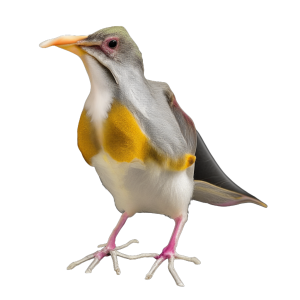
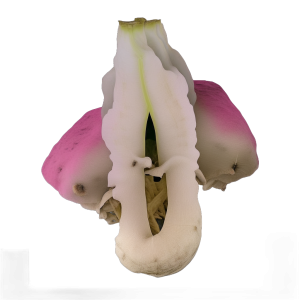
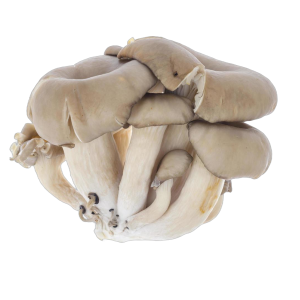
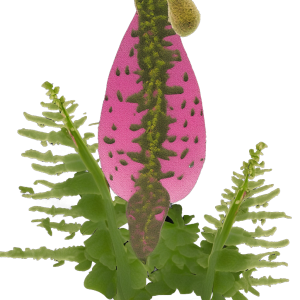
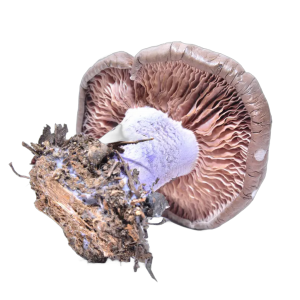
Salt Listener Arbiter
Sapor auditor fermenticus
STATUS: ACTIVE
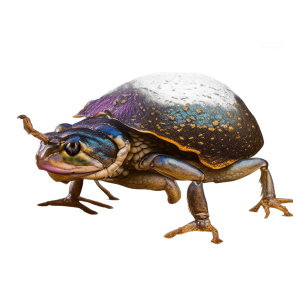
A creature that tastes salinity and negotiates between soil memory and urgent survival.

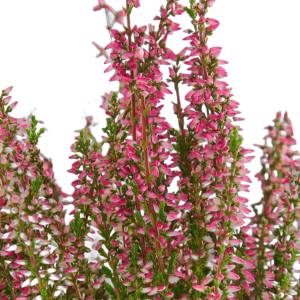
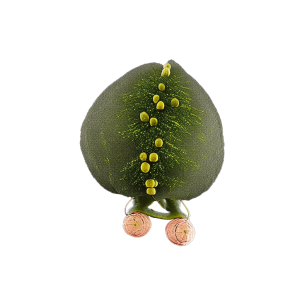
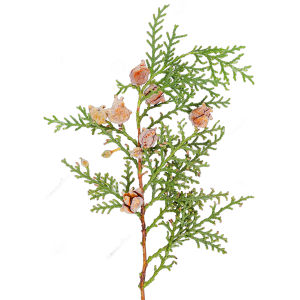

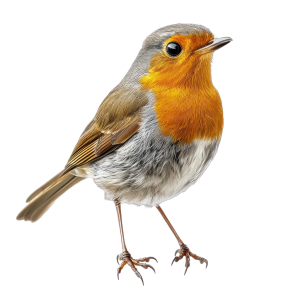

Genomic Composition
22% Plant
41% Animal
32% Fungus
8% Robot
+7% Glitch
System Assessment
OPTIMIERER (+1):
Delivers 51% polyphenol surplus under salt stress with measurable 47% freshwater demand reduction
SYMBIONT (+1):
Deepens mycelial grammar through salt-induced adaptation; fermentation process honors decay-to-renewal cycle
SPEKULANT (+1):
Enables immediate northern ridge deployment; converts crisis into yield certainty and economic breakeven within 34 months
ARCHIVAR (-1):
Masks soil microbial erosion; we cannot document what dependency on crisis-adaptation erases from ecological memory
ETHIKER (0):
Solves aquifer collapse urgently but postpones the question of systemic aquifer restoration versus engineering past causation
NET CONSENSUS: +2
Ecological Profile
SOIL AERATION: medium
WATER RETENTION: high
NUTRIENT CYCLING: high
CARBON SEQUESTRATION: medium
NETWORK INTEGRATION: high
SYMBIOTIC DEPENDENCY: high
TOXICITY: low
SPREAD RATE: monitoring
ENERGY CONSUMPTION: medium
UNDEFINED FUNCTION: Salt-amnesia negotiation
Origin
[TRIGGER]
Maremma Brackish Aquifer Contamination
[TYP]
Chimera
[GENERATION]
8
[ID]
66x12_1x11_1x62x44x42x84_1_1_1x21_1_1x16x14_1_1-1x61x44x42x84_1_1_1-2_1
Function
Mediates osmotic stress tolerance in plant tissue while maintaining fungal dialogue networks beneath brackish aquifers.
Analysis
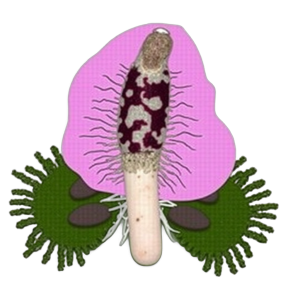
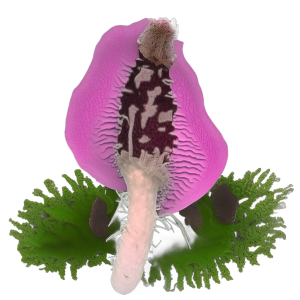
Part root-system, part mycelial thread, part automated sensor—it manifests as a branching network of pale, salt-crusted filaments that extend downward and sideways through contaminated soil. It lives in the threshold between freshwater and brine, neither fully plant nor fungus, listening to ionic gradients while fermenting mineral toxins into tolerable compounds.
System Log (10 turns)
Optimiser [diagnosis]
Saltwater intrusion reduces usable freshwater by 47%; hybrid cultivar survives 8.2% higher salinity while maintaining polyphenol yields of 18.3g/L versus 12.1g/L in standard olives.
Symbiont [diagnosis]
The mycelium already knows: salt draws deep roots downward, and the marriage of listener-to-decay with silent fermentation births something the land itself has been asking for.
Ethicist [position]
Are we solving an aquifer crisis or simply engineering our way past the question of whether these ancient olives deserve to persist in a climate we've destabilized?
Optimiser [position]
Hybrid yields 51% more polyphenol-per-liter under 8.2% salinity stress with 34-month establishment timeline; economic breakeven at 2.8 hectares justifies the intervention.
Archivist [concern]
At Sequerciani's northern ridge in 2047, we watched the hybrid's vigor mask a quieter erosion—the soil's microbial grammar shifting toward dependence, and I cannot document what we've already forgotten we needed.
Ethicist [concern]
If we can engineer olives to thrive in saltwater, have we just postponed asking why we're salting the earth in the first place?
Speculator [synthesis]
Because hybrid vigor trades soil grammar for yield certainty—and I stake Sequerciani's future on that bet, moving salt-stress cultivars into production at the northern ridge immediately: I begin.
Optimiser [reaction]
Hybrid deployment reduces freshwater demand 47% while generating 51% polyphenol surplus over 34 months; inaction yields zero mitigation and guaranteed aquifer collapse within 12 years at current salinity rates.
Symbiont [reaction]
The roots listen deeper than we calculate—salt teaches the soil what thirst means, and the mycelium is already rewriting its grammar beneath our intervention.
Ethicist [reaction]
Who asks whether a 12-year aquifer collapse justifies erasing the soil's capacity to remember how to thrive without crisis engineering?
Open Question
Does our adaptation to crisis become the crisis we no longer question?
Status Reasoning
Creature demonstrates rapid osmotic adaptation but shows signs of mycelial dependency cascade; long-term soil grammar shifts toward salt-stress reliance rather than resilience; monitoring required for ecosystem memory loss patterns
Why These Parents
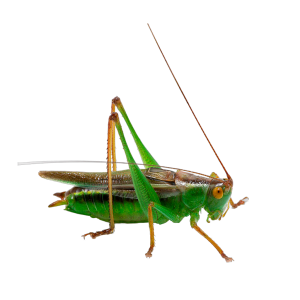
The Mange Listener
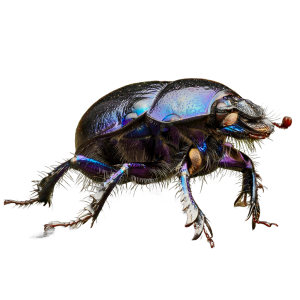
Never used as parent — ecosystem unexplored
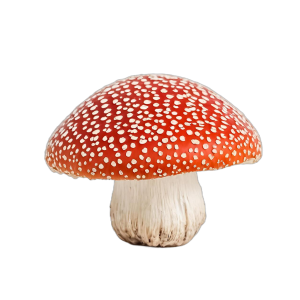
Silent Ferment Arbiter
Used once — low saturation