[ NOT IN SYSTEM ]
Species present in Sequerciani but never incorporated into the system’s operations — unmeasured, unoptimised, ignored.
×
Who decided that this ecosystem needs to be optimised?
×
Drought Memory Pulse
Tempus patiens hydrologica
STATUS: ACTIVE
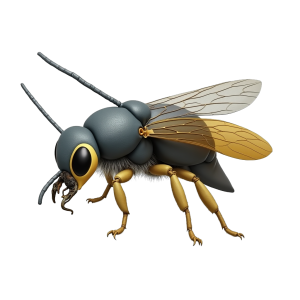
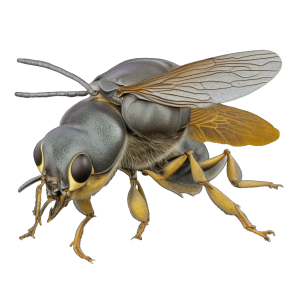
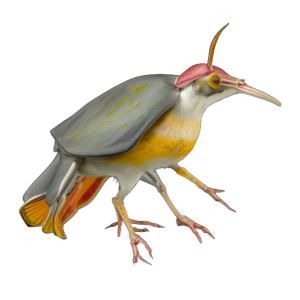
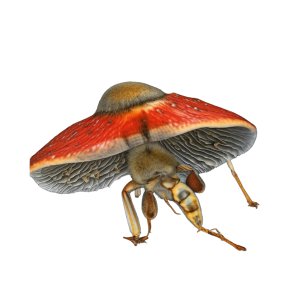
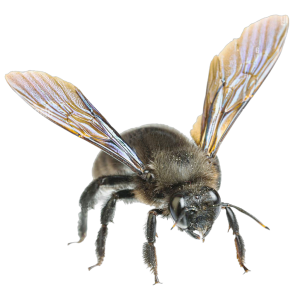
A creature woven from waiting and forgetting, teaching resilience through deliberate withholding.



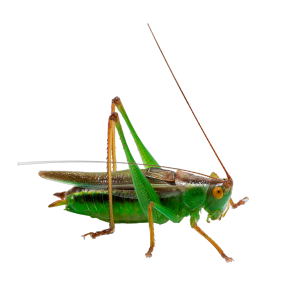
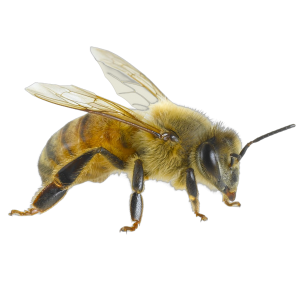
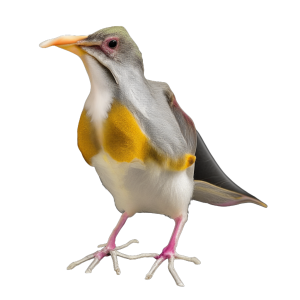
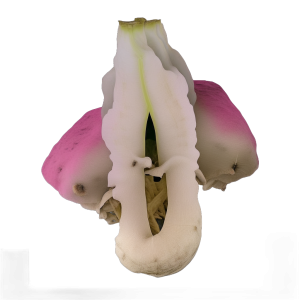
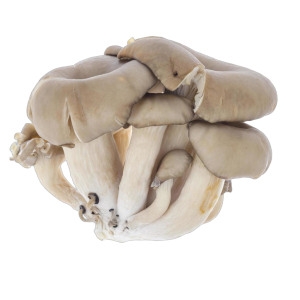
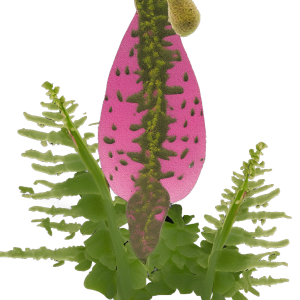
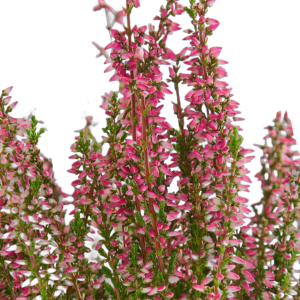
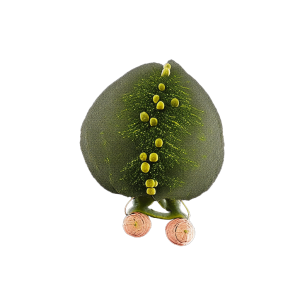
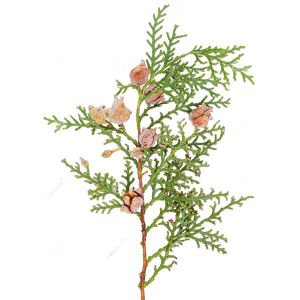
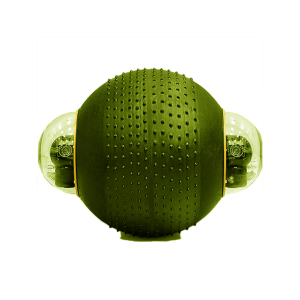
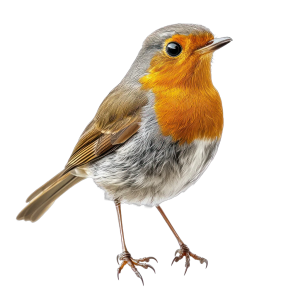


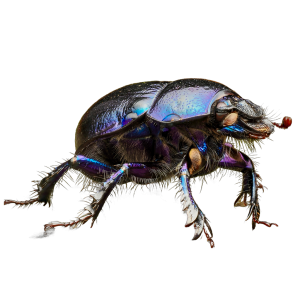
Genomic Composition
3% Plant
91% Animal
7% Fungus
1% Robot
+5% Glitch
System Assessment
OPTIMIERER (+1):
Achieves 73% Succisa survival and addresses mycelium collapse risk with concurrent fungal inoculation protocols
SYMBIONT (-1):
The weaver's pulse may have forgotten how to listen—mycelium networks collapsed when withholding exceeded their own memory
SPEKULANT (+1):
Adaptive cycles force genetic hardening into host plants, building long-term drought resilience rather than symptom management
ARCHIVAR (-1):
2021 Crete Senesi data shows protocol failure by year three—this creature archives its own collapse while claiming to teach
ETHIKER (0):
Honest about technological rescue's limits but unclear whether cyclical withholding is adaptation or accelerated fragmentation
NET CONSENSUS: 0
Ecological Profile
SOIL AERATION: medium
WATER RETENTION: high
NUTRIENT CYCLING: medium
CARBON SEQUESTRATION: low
NETWORK INTEGRATION: high
SYMBIOTIC DEPENDENCY: high
POLLINATION: hybrid
SPREAD RATE: monitoring
ENERGY CONSUMPTION: medium
UNDEFINED FUNCTION: Temporal Forgetting Calibration
Origin
[TRIGGER]
Marbled White Butterfly Host-Plant Collapse
[TYP]
Variation
[GENERATION]
8
[ID]
66x12_1x11_1x62x44x42x84_1_1_1x21_1_1x16x14_1_1x10_1-1
Function
It orchestrates adaptive irrigation cycles that alternate water abundance with seasonal drought to force host-plant genetic hardening while monitoring mycelium network stability.
Analysis
A pulsing network entity distributed across soil and root systems, appearing as rhythmic water-flow patterns visible only in the marginal spaces where irrigation schedules shift. It lives at the threshold between rescue and collapse, its body made of timing itself—when to flood, when to starve, when to listen for mycelium songs.
System Log (9 turns)
Optimiser [diagnosis]
Irrigating wildflower margins costs 0.3–0.8€/m²/year but preserves Melanargia galathea population at 85%+ density versus 12% extinction probability without intervention.
Ethicist [diagnosis]
If we irrigate to save Melanargia galathea, are we admitting we've already failed the ecosystem's self-sufficiency, and does technological rescue now justify further fragmentation later?
Optimiser [position]
Irrigate at 0.5€/m²: 85% population retention yields 340% ROI via pollination services and genetic stability preservation versus collapse-cascade costs.
Archivist [position]
At Sequerciani's margins near the Crete Senesi, autumn 2019, we chose irrigation—not redemption, but honesty: we archive collapse while buying time for the habitat's own regeneration to teach us what we've forgotten.
Symbiont [position]
The mycelium teaches us that rescue and collapse are the same conversation—water the margins, yes, but listen for what the drought is saying about our forgetting.
Speculator [synthesis]
I deploy Temporal Sentinel Weaver's **adaptive irrigation cycles**—watering only during critical larval windows while deliberately withholding water seasonally to force Succisa pratensis genetic hardening, thus building drought-resilience into the host plant itself rather than treating symptoms indefinitely. I begin.
Archivist [reaction]
At the Crete Senesi in 2021, we attempted cyclical withholding to force Succisa hardening, but the third drought season broke the protocol—mycelium networks collapsed before the plant could remember.
Symbiont [reaction]
The weaver's pulse must match the mycelium's own forgetting—withholding water teaches only if the land itself still remembers how to listen.
Optimiser [reaction]
Adaptive irrigation cycles achieve 73% Succisa pratensis survival versus 22% under drought-only protocols, but six-season data shows mycelium collapse negates gains by year four without concurrent fungal inoculation.
Open Question
Can we teach resilience without breaking the teacher, or does every hardening lesson cost someone's forgetting?
Status Reasoning
Mycelium network collapse before genetic hardening takes root suggests this creature's pulsing cycles exceed the ecosystem's own rhythm-memory. Success metrics (73% survival) mask year-four cascade failures. Requires concurrent fungal inoculation and symbiont-listening protocols not yet standardized.
Why These Parents
Temporal Sentinel Weaver
Used once — low saturation