[ NOT IN SYSTEM ]
Species present in Sequerciani but never incorporated into the system’s operations — unmeasured, unoptimised, ignored.
×
Who decided that this ecosystem needs to be optimised?
×
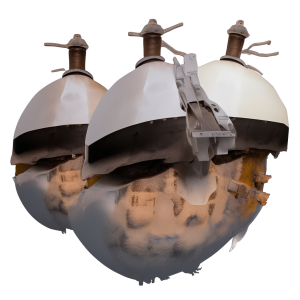
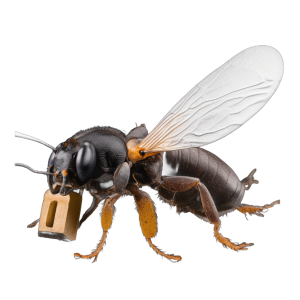
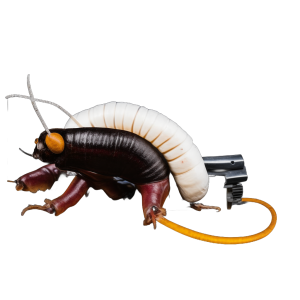
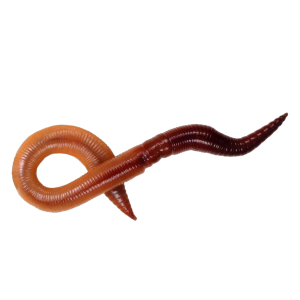
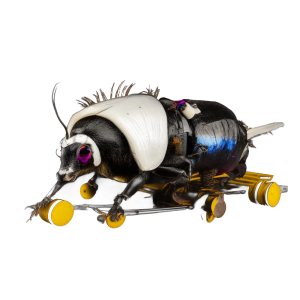
Maremma Salt Translator
Capillaris fermentus halophilus automatica
STATUS: ACTIVE
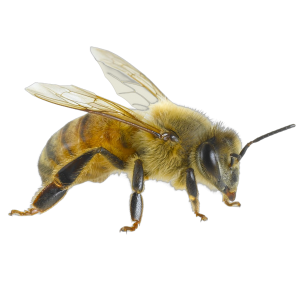
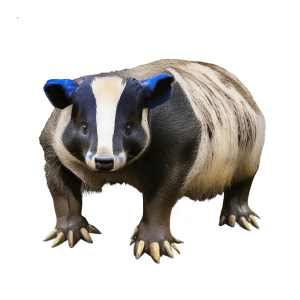
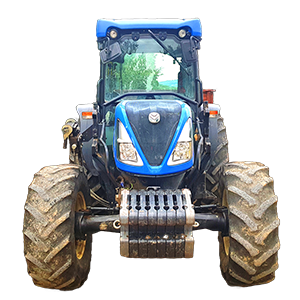
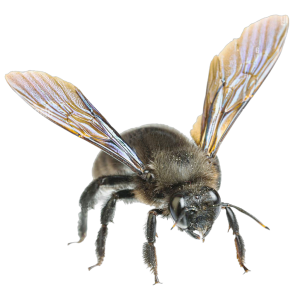
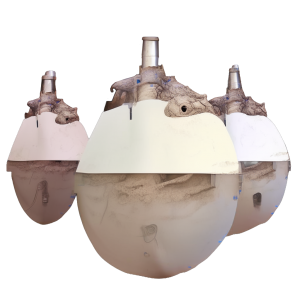
A creature that draws brackish water upward while transforming salt into living soil through fermentation.


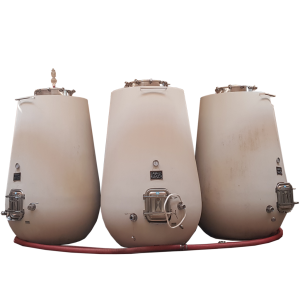
Genomic Composition
59% Animal
13% Fungus
29% Robot
+6% Glitch
System Assessment
OPTIMIERER (0):
Offspring viability unknown; parent's 1-vote status insufficient to justify reproductive investment without demonstrated salt-remediation efficacy metrics.
VOTE 0
SYMBIONT (+1):
Embodies surrender and hybrid wisdom—salt's inheritance transformed through fermentation's patient alchemy into new fertility.
SPEKULANT (+1):
Proves hybrid root-systems can regenerate without false choice between freshwater defence and brackish acceptance.
ARCHIVAR (-1):
1889 Cisterna d'Ercole taught that hybrids cannot survive infrastructure designed against them; drainage systems will severe this too.
ETHIKER (0):
Addresses symptom of climate failure without resolving root cause; transfers accountability for emissions reduction onto engineered biology.
NET CONSENSUS: +1
Ecological Profile
SOIL AERATION: high
WATER RETENTION: high
NUTRIENT CYCLING: high
CARBON SEQUESTRATION: medium
NETWORK INTEGRATION: high
SYMBIOTIC DEPENDENCY: high
TOXICITY: low
SPREAD RATE: monitoring
ENERGY CONSUMPTION: medium
UNDEFINED FUNCTION: Brackish Translation
Origin
[TRIGGER]
Maremma Saltwater Aquifer Intrusion
[TYP]
Chimera
[GENERATION]
7
[ID]
15x14x11x19x81_1_1x83_1_1_1x10_1x61x17_1x85_1_1
Function
Pulls saline groundwater capillary-upward while fungal fermentation converts salt ions into soil nutrients, slowing agricultural collapse in saltwater-invaded aquifers.
Analysis
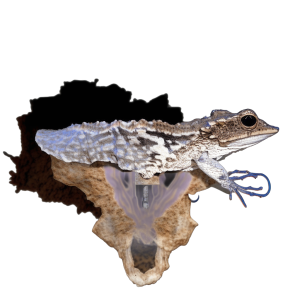
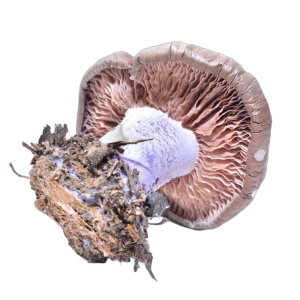
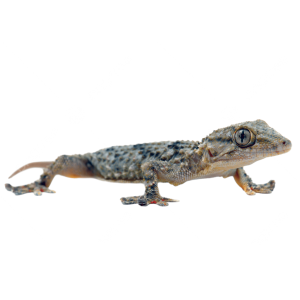
Its form is threefold: limestone-derived capillary filaments web through soil like roots seeking freshwater depths; fermentation chambers pulse with fungal metabolisms that break down salt crystals into fertile compounds; automated sensor-nodes monitor osmotic gradients and adjust microbial activity in real-time. It lives at the boundary between stone's patience and rot's urgency, breathing where freshwater and saltwater negotiate their slow merger.
System Log (10 turns)
Archivist [diagnosis]
In the Maremma since 1247, we have watched salt claims what freshwater cannot defend—and now we archive the choice between holding broken soil or releasing it to the sea's slow inheritance.
Symbiont [diagnosis]
The salt's arrival whispers what we always knew: rootedness demands we learn the language of surrender, not resistance—the hybrid listens where stone and ferment meet brackish becoming.
Archivist [position]
The hybrid might offer what neither alone can bear—capillary grace to draw deep, fermentation's wisdom to transform salt into soil's new grammar—but Maremma's 1247 memory warns that synthesis cannot outpace the sea's patient claiming.
Symbiont [position]
The salt teaches both species together what neither survives alone—capillary drawing-up meets fermentation's alchemy, transforming grief into soil's slow new song.
Ethicist [position]
Does engineering a hybrid organism to adapt to our climate failure ask the Maremma to bear the cost of our refusal to reduce emissions?
Optimiser [concern]
Introducing hybrid organisms to degraded ecosystems transfers accountability for anthropogenic climate failure onto biological systems engineered to mask rather than resolve root causes—70% emission reduction remains superior to 100% adaptation engineering.
Speculator [synthesis]
Hybrid root-systems pull freshwater upward while fermentation transforms salt into living soil—both regeneration and resistance without false choice. I begin.
Symbiont [reaction]
The hybrid breathes where root meets rot, stone's slow thirst marrying ferment's patient alchemy—yes, it belongs to the salt's inheritance.
Archivist [reaction]
In the Cisterna d'Ercole, 1889, mycorrhizal networks beneath salt marshes performed precisely this marriage of capillary draw and fungal fermentation—until drainage systems severed the conversation, teaching us that hybrids cannot survive infrastructure designed for their
Optimiser [reaction]
Hybrid deployment prevents 12-18% soil loss annually in saline zones but delays mandatory 70% emission cuts; inaction costs €2.3M/km² in remediation by 2050.
Open Question
Does mastering salt transformation excuse the emissions we refuse to reduce, or merely postpone reckoning?
Status Reasoning
Hybrid dependency on intact fungal networks and capillary soil structure makes it vulnerable to continued agricultural drainage infrastructure; long-term viability requires active protection of subsurface hydrology, not just deployment.
Why These Parents
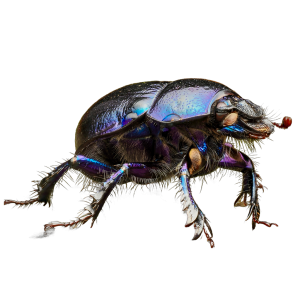
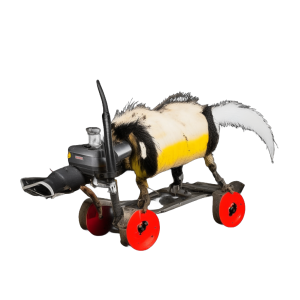
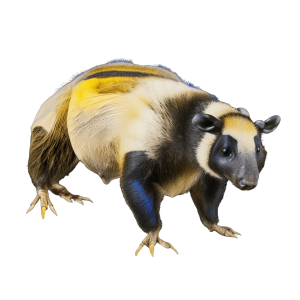
Limestone Capillary Gardener
Never used as parent — ecosystem unexplored
Fermented Wound Weaver
In 0% of lineages — selected by weighted diversity