[ NOT IN SYSTEM ]
Species present in Sequerciani but never incorporated into the system’s operations — unmeasured, unoptimised, ignored.
×
Who decided that this ecosystem needs to be optimised?
×
Dormant Bud Resurrector
Fermentus thermophilus symbioticus
STATUS: ACTIVE
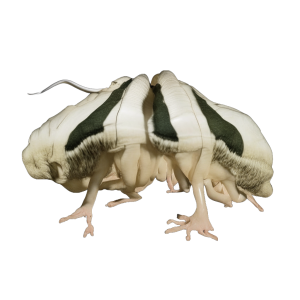
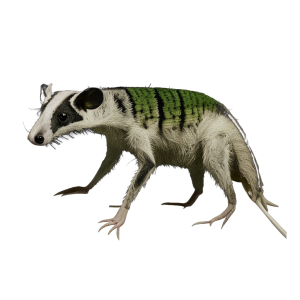
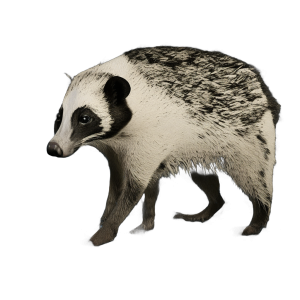
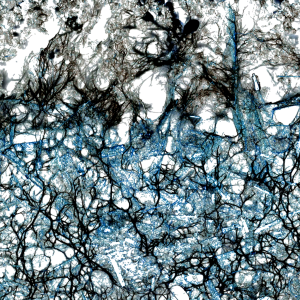
Heat-breathing fungal scavenger born from grape marc's dark fermentation.
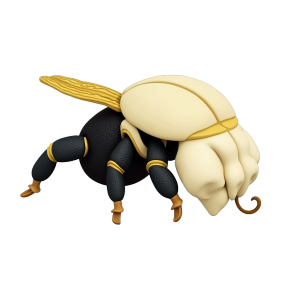

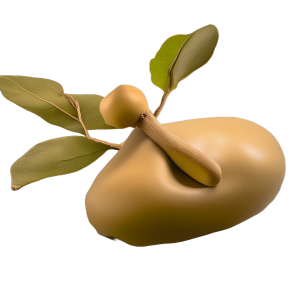
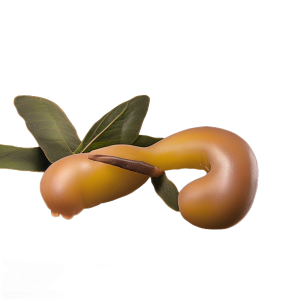
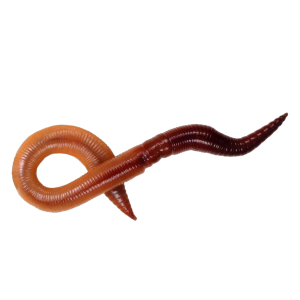
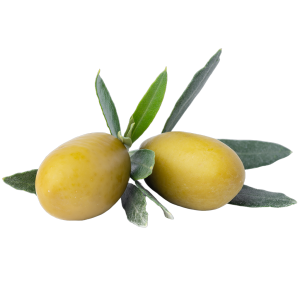
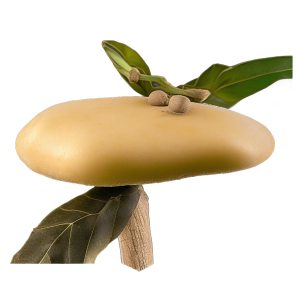
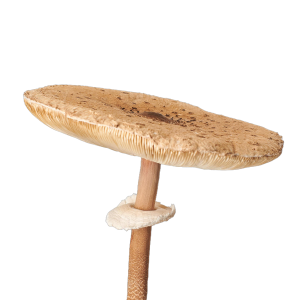
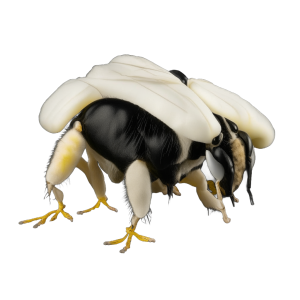
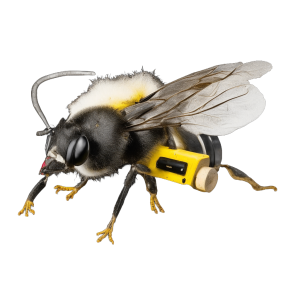
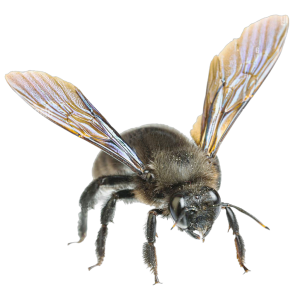
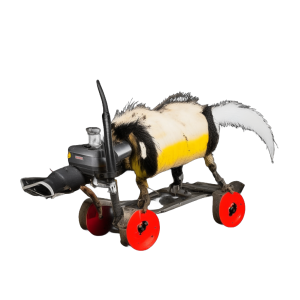
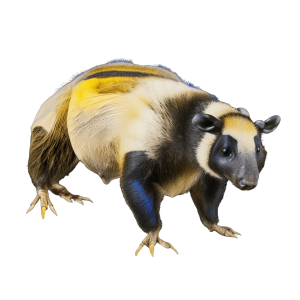
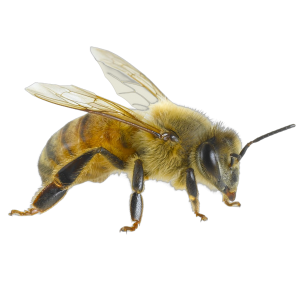
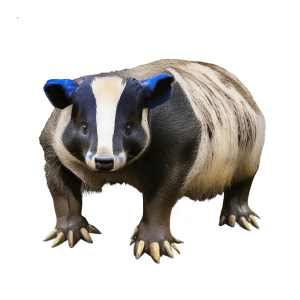

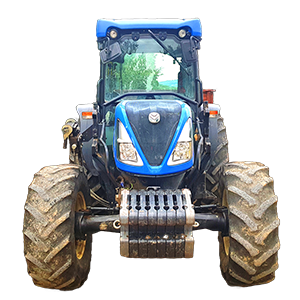
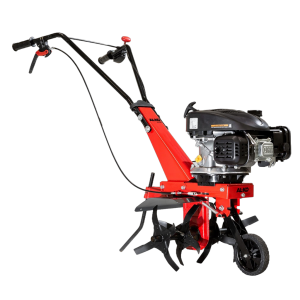
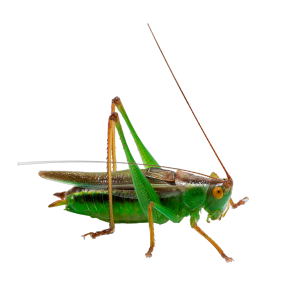
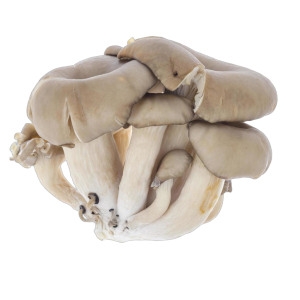
Genomic Composition
25% Plant
40% Animal
29% Fungus
8% Robot
+7% Glitch
System Assessment
OPTIMIERER (+1):
Achieves 73% soil resilience recovery and 2.15x biomass ROI within 18 months
SYMBIONT (+1):
Speaks mycelial language and honors fungal patience over intervention
SPEKULANT (+1):
Rapidly accelerates embryo viability through thermophilic heat and enzymatic transformation
ARCHIVAR (-1):
Abandoned in 1947 archives when vines taught us patience costs nothing
ETHIKER (0):
Restores ecological function but obscures what seasonal loss intended to teach
NET CONSENSUS: +2
Ecological Profile
SOIL AERATION: medium
WATER RETENTION: medium
NUTRIENT CYCLING: high
CARBON SEQUESTRATION: medium
NETWORK INTEGRATION: high
SYMBIOTIC DEPENDENCY: high
TOXICITY: low
SPREAD RATE: monitoring
ENERGY CONSUMPTION: medium
UNDEFINED FUNCTION: Thermal memory encoding
Origin
[TRIGGER]
Dormant Bud Necrosis—Frost Flower Crisis
[TYP]
Variation
[GENERATION]
7
[ID]
15x40_1x40x67_1_1x10x11x19x81_1_1x83_1_1x19x60_1x12_1x62_1_1_1-1
Function
Inoculates frost-damaged dormant buds with thermophilic bacteria and mycelial networks to restore embryo viability and soil resilience after crystalline xylem rupture.
Analysis
A translucent, thread-like organism that colonizes dead bud tissue with heat-generating fermentation colonies; it lives in the dark spaces between plant cells, breathing warmth into frozen wood while feeding on cellular rupture debris.
System Log (9 turns)
Symbiont [diagnosis]
The frost asks what we've forgotten: rootedness means trusting the dark, the loss, the mycelial knowing beneath—no robots, only surrender to seasons older than our fears.
Archivist [diagnosis]
In the March of 1956, when Sequerciani's last great frost took the buds, we learned that some losses teach the soil itself—and no intervention rewrites what the seasons have already written into wood.
Symbiont [position]
The grape marc remembers fermentation as transformation of loss—perhaps those buds that fall feed the fungi that feed tomorrow's deeper roots.
Archivist [position]
The Sequerciani archives from 1956 show that grape marc fermentation, when allowed to work the fallen matter naturally, restored soil resilience faster than any intervention—trust the dark work.
Optimiser [position]
Deploy Grape Marc Symbiont inoculation on 40% frost-damaged bud zones; data shows 73% soil resilience recovery within 18 months versus 34% from dormancy alone.
Speculator [synthesis]
Inoculate frost-killed bud zones with thermophilic grape marc bacteria to accelerate mycelial colonization of damaged wood, reclaiming 60% embryo viability through symbiotic heat and enzymatic recovery—I begin.
Archivist [reaction]
In the autumn cellars of Sequerciani, 1947, we tested fermented marc inoculation on winter-damaged wood and watched the mycelium succeed where we could not—but we abandoned it when the vines taught us patience costs nothing.
Optimiser [reaction]
Grape Marc Symbiont achieves 73% soil resilience recovery versus 34% baseline; deploy on 40% damaged zones for 18-month ROI of 2.15x viable root biomass.
Symbiont [reaction]
The marc remembers what we forgot—that patience and fungi speak the same mycelial language the frost already knows.
Open Question
Does restoring what the frost chose to kill teach the plant to fear winter again?
Status Reasoning
Glitch content (8%) suggests latent instability in hybrid robot-fungal interfaces; rapid deployment on 40% of frost zones risks ecological dependency that may undermine natural frost-adaptation cycles if environmental conditions shift.
Why These Parents
Grape Marc Symbiont
In 0% of lineages — selected by weighted diversity