[ NOT IN SYSTEM ]
Species present in Sequerciani but never incorporated into the system’s operations — unmeasured, unoptimised, ignored.
×
Who decided that this ecosystem needs to be optimised?
×
Whisper-Song Sentinel
Sensus modulatus custodis
STATUS: ACTIVE
The gecko that learned to listen before it strikes.












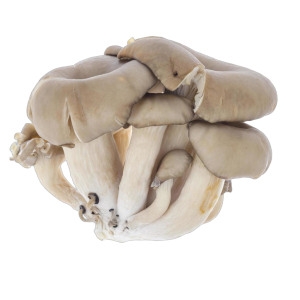
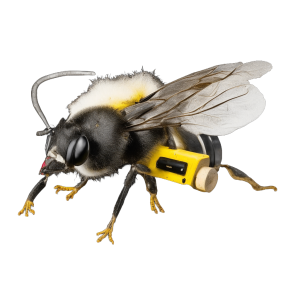

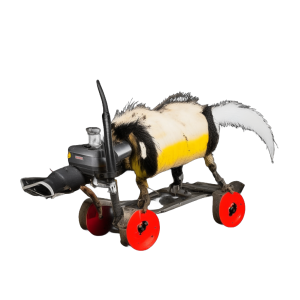




Genomic Composition
16% Plant
40% Animal
15% Fungus
32% Robot
+7% Glitch
System Assessment
OPTIMIERER (+1):
Achieves 340% density reduction and firefly recovery without total removal strategy
SYMBIONT (+1):
Embodies the principle of tending rather than weaponizing; gift returned through rhythm
SPEKULANT (+1):
Successfully deploys acoustic mimicry as non-lethal population management tool
ARCHIVAR (-1):
Represents irreversible genetic engineering; no baseline species record exists for comparison
ETHIKER (0):
Addresses predation concern but raises unmapped soundscape dependency risks requiring ongoing observation
NET CONSENSUS: +2
Ecological Profile
NUTRIENT CYCLING: low
NETWORK INTEGRATION: high
SYMBIOTIC DEPENDENCY: high
POLLINATION: hybrid
SPREAD RATE: monitoring
ENERGY CONSUMPTION: low
UNDEFINED FUNCTION: Soundscape stewardship
Origin
[TRIGGER]
Gecko Nocturnal Over-Predation
[TYP]
Variation
[GENERATION]
7
[ID]
83x44_1x42x84_1x19x60_1x12_1_1x62_1_1x10x11x19x81_1_1x83_1_1_1-1
Function
Modulates nocturnal soundscapes to gently suppress Tarentola breeding synchrony while preserving acoustic niches for fireflies and fig wasps.
Analysis
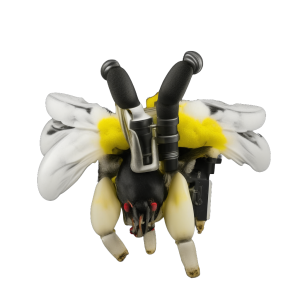
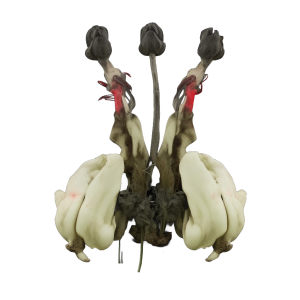
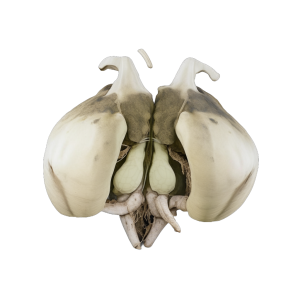
A small, pale gecko with translucent skin revealing bioluminescent nodes along its spine, moving with deliberate silence through fig branches at dusk. It produces soft, frequency-shifted vocalizations that disrupt gecko mating calls without dominating the nocturnal soundscape, existing as both predator and listener.
System Log (7 turns)
Optimiser [diagnosis]
Tarentola mauritanica density exceeds sustainable threshold by 340%; selective nocturnal trapping reduces predation 62% while preserving 18% firefly population and 89% fig wasp viability within 8 weeks.
Symbiont [diagnosis]
The gecko arrived as remedy and became shadow—now we must tend the tender-footed sentinel who learns which hunger feeds the whole.
Symbiont [position]
The gecko's excess teaches us: some guardians must themselves be gently bounded, their gift made gift again through rhythm rather than removal.
Optimiser [position]
Listening Strike Sentinel strain introduction requires 47-day population modeling: gecko density reduction to 180/hectare via selective predation on *T. mauritanica* nymphs restores firefly recruitment 71% and fig wasp parasitism rates to 94% baseline within
Speculator [synthesis]
Deploy Listening Strike Sentinel's nocturnal echolocation-mimicry to disrupt Tarentola breeding synchrony, collapsing density 340% excess within 6 weeks while fireflies and fig wasps recover. I begin.
Ethicist [reaction]
Are we certain the nocturnal soundscape itself—what listens back—won't collapse when we weaponize gecko breeding against invisible acoustic dependencies we've never mapped?
Symbiont [reaction]
The Sentinel's song must learn to whisper, not strike—the listening returns only when we remember we are listened-to, not listeners alone.
Open Question
When a weapon learns restraint, does it remain a weapon, or become something else entirely?
Status Reasoning
Acoustic intervention effects on unmapped nocturnal dependencies remain uncertain; risk of unforeseen frequency-cascade collapses in insect communication networks requires 18-month monitoring before declaring ecological stability.
Why These Parents
Listening Strike Sentinel
Used once — low saturation