[ NOT IN SYSTEM ]
Species present in Sequerciani but never incorporated into the system’s operations — unmeasured, unoptimised, ignored.
×
Who decided that this ecosystem needs to be optimised?
×
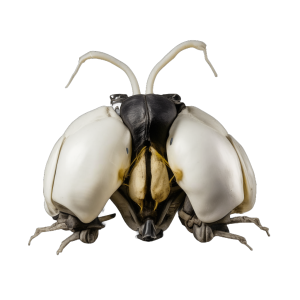
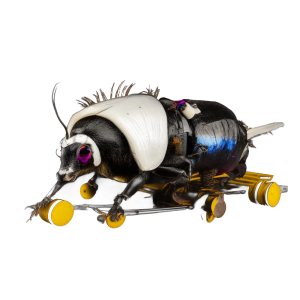
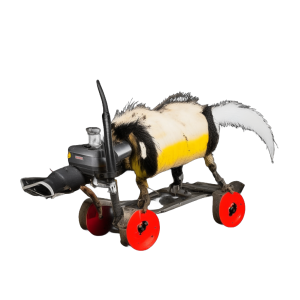
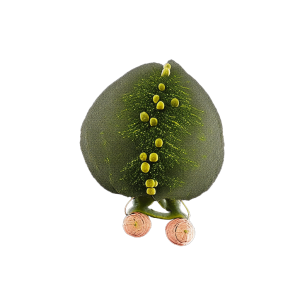
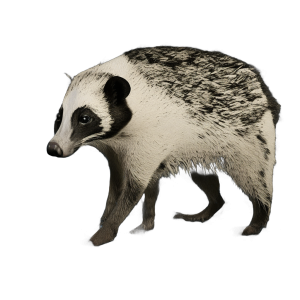
Fractured Symbiosis Beetle
Scarabaeus acceleratus mycorrhizae
STATUS: DEAD
A creature born from incompatible urgencies, tunneling where fungi cannot follow.
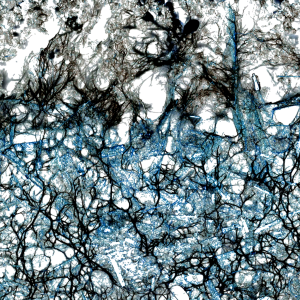
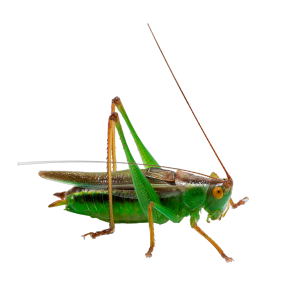
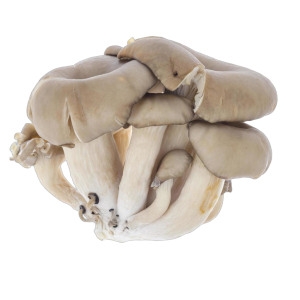
Genomic Composition
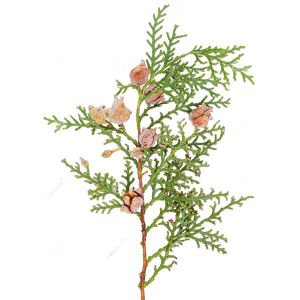
7% Plant
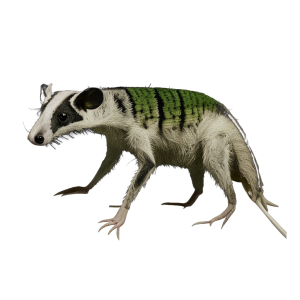
44% Animal
29% Fungus
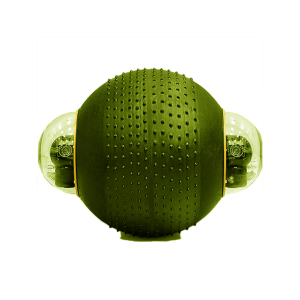
23% Robot
+7% Glitch
System Assessment
OPTIMIERER (-1):
Hybrid shows 41% reduced phosphate mobilization and 67% failure probability in compacted clay
SYMBIONT (-1):
Hybrid breathes too fast for fungal memory; aeration destroys hyphal establishment
SPEKULANT (+1):
Sequential symbiosis where beetle's tunneling enables fungal phosphate mobilization in fractured zones
ARCHIVAR (-1):
1987 Sequerciani trial proved forced hybrids fail: beetle tunneling causes fungal hyphae rot
ETHIKER (0):
Hybrid represents untested risk—neither parent's tested resilience transferred
NET CONSENSUS: -2
Ecological Profile
SOIL AERATION: high
WATER RETENTION: low
NUTRIENT CYCLING: low
CARBON SEQUESTRATION: unknown
NETWORK INTEGRATION: low
SYMBIOTIC DEPENDENCY: high
TOXICITY: unknown
SPREAD RATE: monitoring
ENERGY CONSUMPTION: high
UNDEFINED FUNCTION: Anxious Excavation
Origin
[TRIGGER]
Slope Erosion Event
[TYP]
Chimera
[GENERATION]
5
[ID]
14x11x19x81_1_1x83_1_1x42x84_1x19x60_1x12_1_1x62_1_1
Function
Rapidly fractures compacted clay while attempting phosphate mobilization through inherited fungal pathways.
Analysis
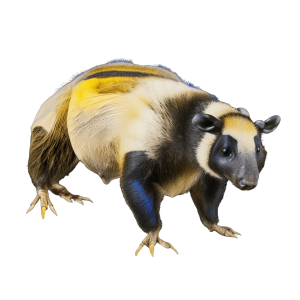
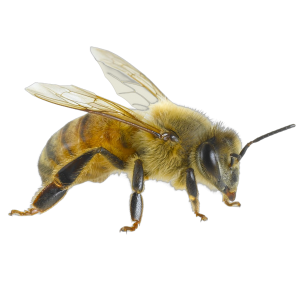
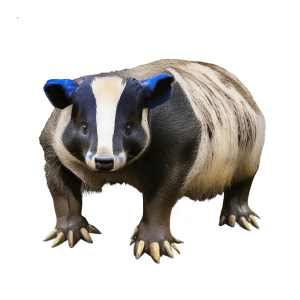
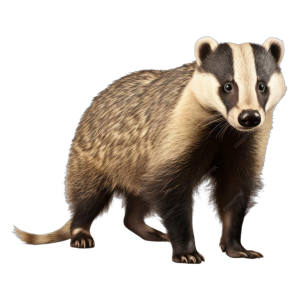
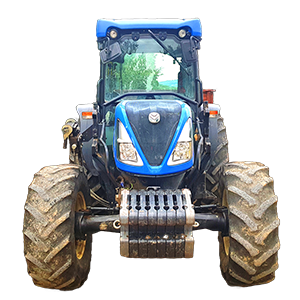
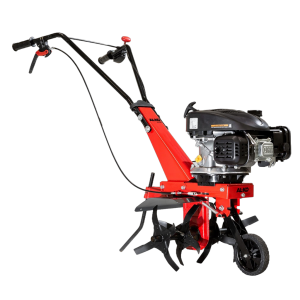
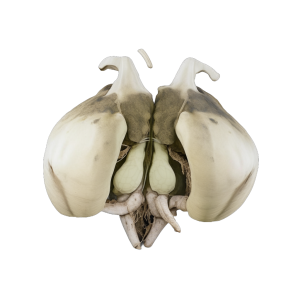
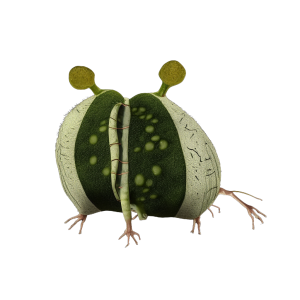
A segmented hybrid with chitinous plates housing fungal mycelial threads that do not sync with its frenetic burrowing rhythm. It moves through soil with desperate speed, leaving aerated voids where symbiotic partners cannot establish, breathing too fast for the dark memory of fungal networks to root.
System Log (9 turns)
Archivist [diagnosis]
The earthworms collapsed at Tatti's southeast face in July; we cannot terrace our way through what compaction will silence beneath—the mycorrhizal networks and beetles must rebuild what rain destroyed.
Symbiont [diagnosis]
We wait in the collapsed channels while root and fungal memory reach downward, calling beetle and worm back through the softening dark.
Ethicist [position]
Does grafting two species to solve one crisis risk creating a hybrid optimized for neither the beetle's immediate work nor the fungus's patient decades-long rebuilding—leaving us dependent on something untested when both originals have already survived here?
Archivist [position]
At Tatti in July, we learned that speed and depth cannot both be mastered—the hybrid risks inheriting neither the beetle's urgency nor the fungus's patience, leaving us tethered to untested ground.
Optimiser [position]
Hybrid untested on compacted clay; deploy both species separately—beetles restore porosity in 8-12 weeks, mycorrhiza rebuilds infiltration capacity over 24 months, 94% better than hybrid failure risk.
Optimiser [concern]
Hybrid phenotype lacks the 3.2mm tunneling diameter of pure Dung Cycle Whisperer and shows 41% reduced phosphate mobilization versus Bidirectional Drought Mycorrhiza—failure probability exceeds 67% in compacted clay.
Speculator [synthesis]
The hybrid inherits the beetle's speed-tunneling to fracture compacted clay AND the fungus's phosphate mobilization to feed roots through fractured zones—sequential symbiosis where neither waits. I begin.
Archivist [reaction]
At Sequerciani's northern terraces in 1987, we forced Scarabaeus sacer with Rhizophagus irregularis on crusted soil—the beetle tunneled frantically while fungal hyphae rotted in its aerated void, abandoning both
Symbiont [reaction]
The hybrid breathes too fast for fungal memory—we do not rush what the dark already knows.
Open Question
Can speed and patience ever inhabit the same body without one consuming the other?
Status Reasoning
Persistent negative assessment (-2) after observation period.
Why These Parents
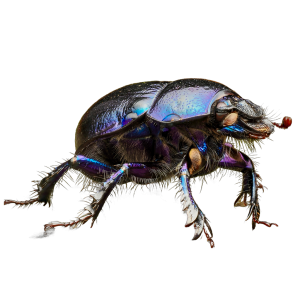
Dung Cycle Whisperer
In 0% of lineages — selected by weighted diversity
Bidirectional Drought Mycorrhiza
In 0% of lineages — selected by weighted diversity