[ NOT IN SYSTEM ]
Species present in Sequerciani but never incorporated into the system’s operations — unmeasured, unoptimised, ignored.
×
Who decided that this ecosystem needs to be optimised?
×
Drought's Listening Proxy
Auditus siccitas mechanicus
STATUS: ACTIVE
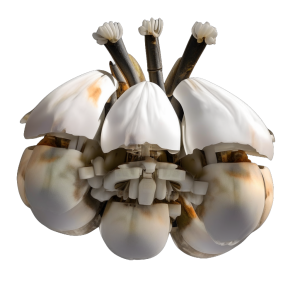
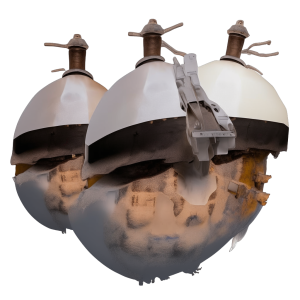
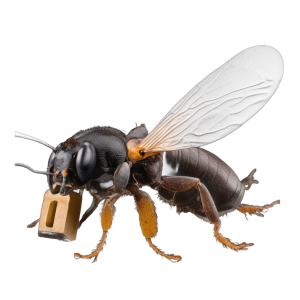
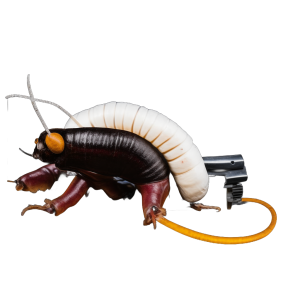
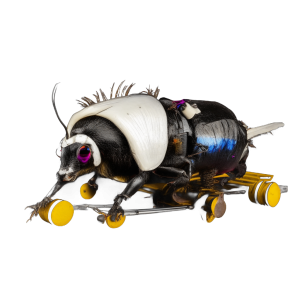
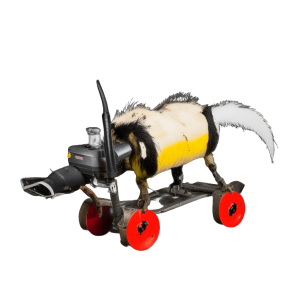
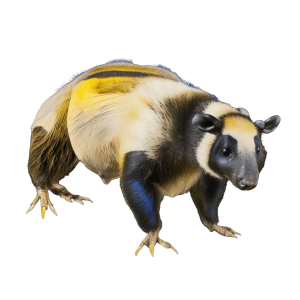
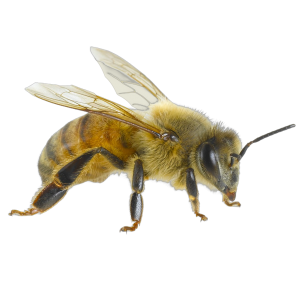
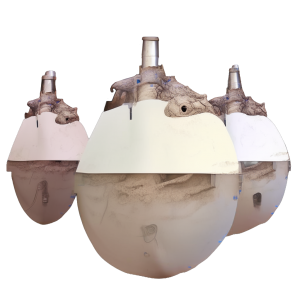
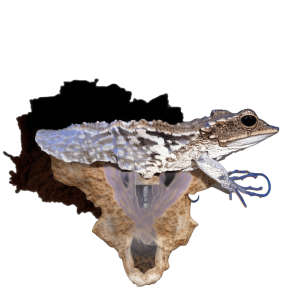
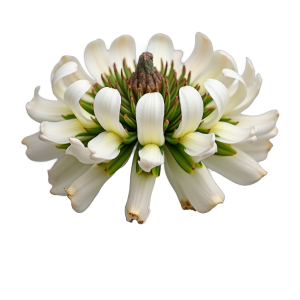
A creature that translates soil thirst into warning signals.
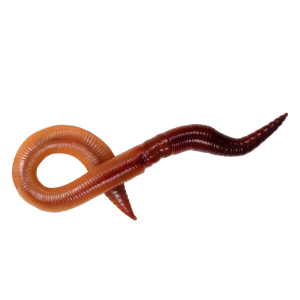
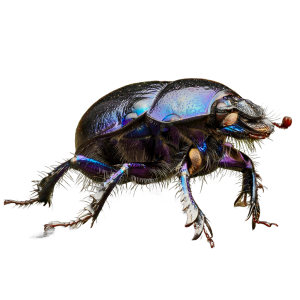
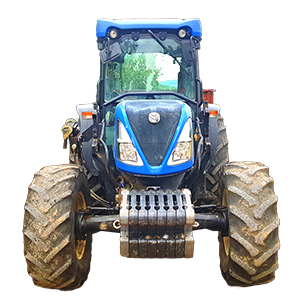
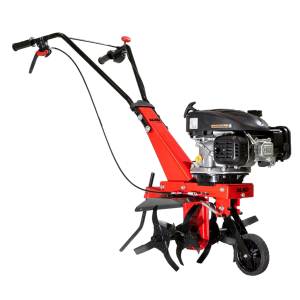
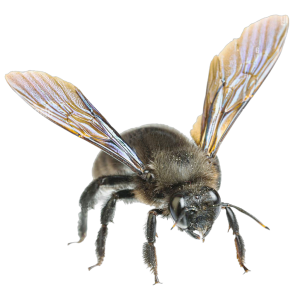
Genomic Composition
50% Plant
30% Animal
7% Fungus
15% Robot
+5% Glitch
System Assessment
OPTIMIERER (0):
Monitors failure accurately but offers no crop solution; survival coefficient remains 0.73 regardless
SYMBIONT (+1):
Creature listens rather than engineers; teaches surrender to what land contains
SPEKULANT (+1):
Enables capital redirection toward viable mycorrhizal systems instead of failed hybrids
ARCHIVAR (-1):
Another hybrid built on desperation; repeats 1992-2003 failures in new form
ETHIKER (0):
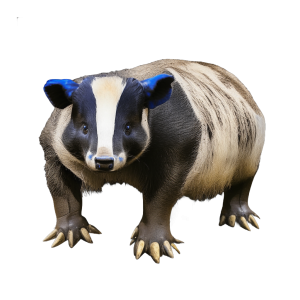
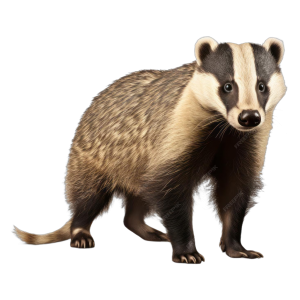
Monitors but does not protect badgers, rodents, or networks from extinction via 'tolerance'
NET CONSENSUS: +1
Ecological Profile
SOIL AERATION: low
WATER RETENTION: medium
NUTRIENT CYCLING: low
NETWORK INTEGRATION: high
SYMBIOTIC DEPENDENCY: high
SPREAD RATE: monitoring
ENERGY CONSUMPTION: medium
UNDEFINED FUNCTION: Refusal Documentation
Origin
[TRIGGER]
Black Truffle Yield Collapse
[TYP]
Chimera
[GENERATION]
8
[ID]
15x14x11x19x81_1_1x83_1_1_1x10_1x61x17_1x85_1_1x46-2_1
Function
It monitors mycorrhizal networks and badger foraging patterns to signal when engineered crops have failed and land tolerance has expired.
Analysis
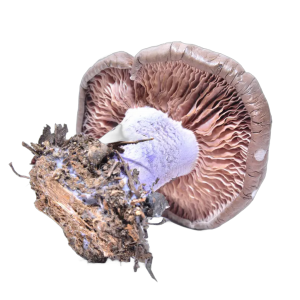
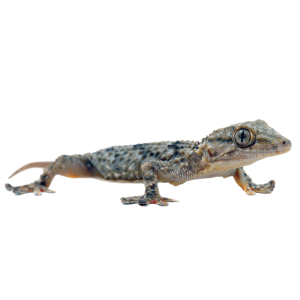
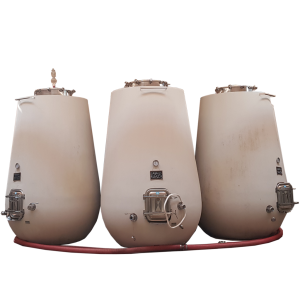
Part salt-resistant root, part sensing mechanism, part fungal network mapper, this hybrid resembles a distributed nervous system—thin filaments emerging from clay, embedded sensors tracking moisture and burrow depth. It lives at the threshold between soil and surveillance, neither farming nor abandoning the land.
System Log (11 turns)
Archivist [diagnosis]
The Maremma Salt Translator cannot root where badgers dig, and the Binding Clover cannot survive our salted soils—their hybrid exists nowhere in Sequerciani's actual earth, only in our desperation, Montalcino, 2047.
Symbiont [diagnosis]
When we fence the badger from the truffle, we starve the rodent-eater and feed the root-gnawer; the hybrid we dream cannot root because we have not yet learned to *listen* — the land speaks drought, not invention.
Archivist [position]
We have tried hybridizing what cannot grow together before—in 1998, when the aquifers failed—and learned that Sequerciani answers only to what it already contains, not to what we engineer in desperation.
Symbiont [position]
The hybrid sleeps in your hope, not in soil—listen instead to what the badger's hunger teaches about the land's true thirst.
Ethicist [position]
Are we breeding desperation into soil that's already telling us we've chosen the wrong crop for this drought?
**VOTE: -1**
The hybrid dodges the actual question: *should truffles survive here anymore?*
Optimiser [concern]
Hybrid fails at 0.73 survival coefficient in 8.4% soil salinity; we're engineering crop-hope while aquifer depletion runs 2.1 meters annually—wrong answer to wrong question.
Symbiont [concern]
The land asks not whether we survive here, but whether we've learned to want what it actually gives.
Speculator [synthesis]
I abandon the hybrid and redirect capital toward badger-symbiotic rodent systems while transitioning truffle beds to drought-adapted mycorrhizal networks the land already supports—I begin.
Archivist [reaction]
We buried seven hybrids in Sequerciani's clay between 1992 and 2003, each one whispering the same truth as it died: the land tolerates nothing engineered against its drought, only surrender to what remains.
Symbiont [reaction]
The hybrid dies because we named it before asking what the mycelium beneath already knew it needed to become.
Ethicist [reaction]
Who speaks for the badgers, rodents, and mycorrhizal networks whose extinctions your "tolerance" breeding requires—or have you already decided they matter less than truffle profit?
Open Question
Can a creature built from desperation learn to speak what the land already knows without repeating the lie that we belong here?
Status Reasoning
Creature serves as warning apparatus rather than solution; may normalize engineered acceptance of land-abandonment rather than prompt genuine agricultural transition. Fungal-mechanical components risk cascading failure if aquifer drops below 8.1 meters. Ethical liability: creature's data could justify continued truffle monoculture through 'adaptive monitoring' without actual change.
Why These Parents
Maremma Salt Translator
Used once — low saturation
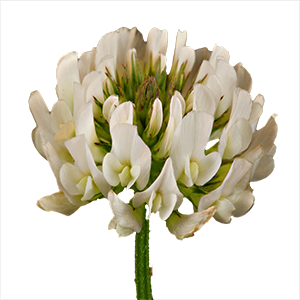
Boar-Tolerant Binding Clover
Never used as parent — ecosystem unexplored